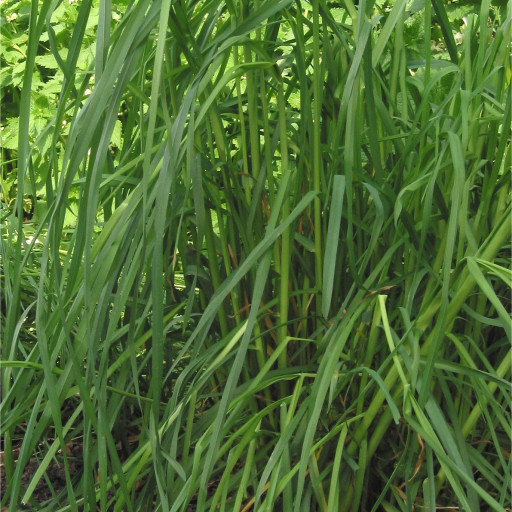
Plant Overview
Known by the charming nickname Cocksfoot due to its seed head’s resemblance to a rooster’s foot, Dactylis glomerata is a rugged, cool-season perennial grass. Originally from Europe and North Africa, it has traveled the world, earning the name Orchard Grass in North America because of its unique ability to thrive in the dappled shade under fruit trees. It is a staple of hay meadows and a sturdy survivor in wild grasslands.
🔍 How to Identify
- 🌾 The "Clumped" Seed Head: Unlike the symmetrical spikes of other grasses, its flowers grow in dense, one-sided triangular clusters that look like a bird's foot or a clenched fist.
- 🍃 Folded Leaf Bases: If you look at the base of a young shoot, the leaves are distinctly flattened and V-shaped, rather than round.
- 🎨 Bluish-Green Hue: The foliage often carries a soft, waxy, glaucous tint, giving the plant a cool grayish-green appearance compared to the bright green of a standard lawn.
🏡 In Your Garden
- 🌳 The Shade Specialist: While most grasses crave full sun, Cocksfoot is famous for its shade tolerance. It is the perfect choice for "wild" corners of the garden or orchards where other grasses might thin out and die.
- 🌱 Deep Root Resilience: Because it develops a deep, fibrous root system, it is much more drought-resistant than typical turf grass. It doesn't spread through runners (rhizomes), but instead grows in sturdy, reliable "bunches" or tussocks.
⚠️ Safety & Toxicity
- ✅ Status: Generally safe and non-toxic.
- 🤧 Allergy Alert: While it isn't poisonous to touch or ingest (it's actually a high-quality forage for livestock), it is a major producer of airborne pollen. If you suffer from seasonal hay fever, this plant is often a primary culprit during the late spring and early summer.
✨ Fun Fact
The genus name Dactylis comes from the Greek word daktylos, meaning "finger." If you look closely at the seed clusters, they look like small, fuzzy fingers reaching out from the stem!

Detailed Care Instructions
| Color | Green Leaves And Spikelets |
| Soil Ph | 6-7 |
| Humidity | Normal |
| Invasive | Weed |
| Lighting | Part Sun |
| Toxicity | Poisonous |
| Soil Type | Fertile, Well-Drained Soil |
| Bloom Time | Summer |
| Difficulty | Medium |
| Plant Type | Evergreen, Perennial Grass |
| Hibernation | Cold Period |
| Mature Size | Up To 18 Inches Tall When Not In Flower; Spread Of 10 Inches |
| Native Area | Europe, North Africa, Asia |
| Temperature | 14°C - 24°C |
| Sun Exposure | Sun Or Partial Shade |
| Hardiness Zones | 5-9 |
To grow Dactylis glomerata, also known as cocksfoot or orchard grass, you can follow these steps:
- Choose a suitable location: Dactylis glomerata prefers full sun to partial shade. Select an area in your garden that receives at least 4-6 hours of direct sunlight per day.
- Prepare the soil: Dactylis glomerata thrives in well-drained soil. Test the soil pH and ensure it falls between 5.5 and 7.0. If needed, amend the soil with organic matter such as compost to improve drainage and fertility.
- Planting: Sow the seeds directly in late spring or early fall. Prepare the soil by loosening it with a rake or hoe. Scatter the seeds evenly across the area and gently rake them into the soil to a depth of approximately 1/4 inch (6 mm). Keep the soil lightly moist during the germination period.
- Watering: Dactylis glomerata requires consistent moisture to germinate and establish. Water the area immediately after sowing the seeds and keep the soil moist but not soggy during germination. Once established, water deeply and infrequently, allowing the soil to dry slightly between watering sessions.
- Fertilization: Apply a balanced slow-release fertilizer or compost in early spring to promote healthy growth. Avoid using excessive nitrogen as it may promote lush foliage at the expense of seed production.
- Weed control: Remove any weeds or competitive plants that emerge alongside the Dactylis glomerata seedlings. This will help prevent them from overtaking the grass.
- Maintenance: Once established, Dactylis glomerata is a low-maintenance plant. Regular mowing is recommended to maintain the desired height, typically around 3-4 inches (7-10 cm). Avoid mowing too short as it can weaken the grass and make it more susceptible to pests and diseases.
- Seeding: If you want to propagate more Dactylis glomerata plants, you can collect seeds from mature seed heads in late summer or early fall. Simply shake the seed heads into a container, remove any debris, and store the seeds in a cool, dry place until ready for planting.
By following these steps, you should be able to successfully grow Dactylis glomerata in your garden.

Place in a window with dappled sun or a spot in the middle of a room. Or directly in a window facing west or east.

The plant requires regular watering to maintain its growth. It is important to provide sufficient water at the root level to prevent drying out of soil and plant. The amount of water may vary depending on the weather conditions and soil quality. Overwatering may lead to waterlogging and root rot, while underwatering may cause the plant to wilt and dry out. Therefore, it is recommended to maintain a balance in watering frequency and amount. It is also essential to avoid watering the leaves to prevent fungal diseases. One can water the plant either by hand or using a watering can or hose.
Fertilize the plant in the spring with a balanced fertilizer, such as a 10-10-10 or 12-12-12 blend. Apply the fertilizer evenly over the soil surface, being careful not to let it come into direct contact with the plant's leaves or stems. Water the plant thoroughly after fertilizing to help the nutrients reach the roots. Repeat the fertilization process every six to eight weeks throughout the growing season to encourage healthy growth and strong root development.
The soil that is suitable for the plant in question is a loamy or sandy loam soil with good drainage and moderate fertility. It should be slightly acidic with a pH of around 6.0-7.0. The soil should be rich in organic matter and have good water-holding capacity while also being well-drained. The plant prefers full sun and can tolerate some shade. It is important to ensure that the soil is kept consistently moist, especially during periods of drought. Additionally, proper fertilization and regular pruning can help to promote healthy growth and flowering of the plant.
To propagate this plant, you can collect seeds from the flower heads after they have dried out and finished flowering. Once collected, you can sow the seeds directly into soil or into trays filled with compost. Cover the seeds with a thin layer of soil or compost and water gently.
Alternatively, you can propagate Dactylis Glomerata by dividing mature clumps of the plant. This should be carried out in the autumn or early spring, when the plant is dormant. Dig up the clump and carefully divide it into smaller sections, each with some healthy roots and leaves. Replant the sections in a new location.
Common pests of the cock's-foot include Thrips. Make a habit of checking your cock's-foot frequently for pests so that any infestations can be caught and managed early.








