Plant Overview
Known widely as Button Grass, this resilient Australian native is a master of survival in arid landscapes. Its name comes from the unique way its flower heads cluster at the top of the stems, resembling tiny, rugged buttons or stars scattered across the ground. It is a pioneer species, often being the first to bring a splash of green to dry, disturbed soils after a sudden rainfall.
🔍 How to Identify
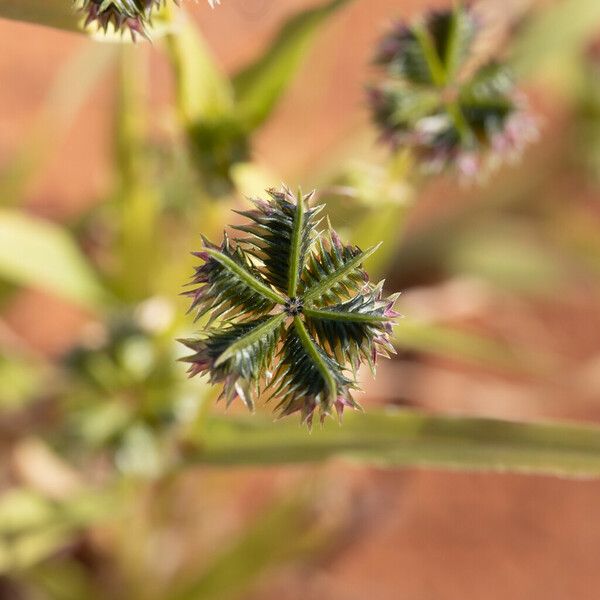
- 🖐️ Seed Heads: The most distinctive feature—3 to 10 short, thick spikes (about 1-2cm long) radiate from the very tip of the stem like the fingers of a hand.
- 🌾 Growth Habit: It typically grows as a low, spreading tuft. It can act as a "creeping" plant, sometimes forming mats that help stabilize loose soil.
- 🍃 Leaf Texture: The leaves are narrow and light green, often featuring tiny, stiff hairs along the margins that give them a slightly rough or "sandpapery" feel.
🏡 In Your Garden
- 🏜️ Tough as Nails: This grass thrives where most ornamental plants struggle. It is exceptionally drought-tolerant and prefers sandy or loamy soils that drain quickly.
- 🌧️ Rain Responder: It is highly opportunistic. If you see it suddenly flourishing, it’s likely responding to a recent spike in humidity or a heavy downpour, as it completes its life cycle quickly before the ground dries out again.
⚠️ Safety & Toxicity
- ✅ Safe Status: Button Grass is generally considered non-toxic to humans and common household pets like dogs and cats.
- 🚜 Forage Note: While it is a nutritious snack for wild herbivores, in rare agricultural contexts, it can accumulate nitrates during extreme drought stress, which is primarily a concern for large-scale livestock grazing rather than home gardeners.
✨ Fun Fact
🥣 Ancient Grains: Indigenous Australians traditionally harvested the tiny, abundant seeds of Dactyloctenium radulans. They would winnow and grind the seeds into a fine flour to make a nutritious traditional bread known as damper.

Detailed Care Instructions
Growing Dactyloctenium radulans, commonly known as button grass or Indian crowfoot grass, requires understanding its natural habitat and needs. Here are the steps you can follow to successfully grow this plant:
Step-by-Step Guide
1. Site Selection
- Choose a location that mimics its native habitat. Dactyloctenium radulans typically thrives in tropical and subtropical regions.
- It prefers well-drained soils and can often be found in sandy or loamy soils.
2. Soil Preparation
- Soil Type: Ensure the soil is light and well-draining. Sandy or loamy soils are ideal.
- Soil Acidity: Aim for a pH that is neutral to slightly acidic (pH 6.0-7.5).
- Soil Fertility: While this grass does not require highly fertile soil, adding organic matter like compost can help establish plants more quickly.
3. Climate Considerations
- Temperature: This plant prefers warm to hot climates.
- Watering: It is drought-resistant once established but will need regular watering during the initial growing period.
4. Planting
- Seeds: Obtain fresh seeds from a reliable source.
- Sowing: Seeds can be sown directly into the prepared soil.
- Seed Bed: Prepare a seedbed by tilling the soil to a depth of about 2-3 inches.
- Sowing Depth: Sow the seeds at a shallow depth, no more than 0.2 inches (about 0.5 cm).
- Spacing: Space the seeds about 6-12 inches apart to reduce competition for nutrients.
- Transplants: If using seedlings, plant them at the same depth they were grown at previously, spacing them at the same intervals mentioned for seeds.
5. Care and Maintenance
- Watering: Keep the soil consistently moist, but not waterlogged, until the seeds germinate and the plants are established.
- Weed Control: Regularly remove weeds to reduce competition for resources.
- Mulching: Apply a thin layer of organic mulch to conserve moisture and suppress weeds.
6. Growth Monitoring
- Germination: Expect germination within 7-21 days, depending on temperature and soil conditions.
- Growth: The plant should develop rapidly in warm conditions. Keep an eye out for pests and diseases, though Dactyloctenium radulans is generally hardy.
7. Harvesting and Use
- This grass can be used for purposes such as erosion control, forage for livestock, or natural groundcover in landscaping.
Tips for Success
- Avoid Overwatering: Too much water can harm the roots and lead to fungal problems.
- Pest Control: Monitor for pests such as grasshoppers or aphids and treat promptly if they appear.
- Fertilization: If your soil is particularly poor, consider a light application of a balanced fertilizer during the growing season.
By following these steps, you can successfully grow Dactyloctenium radulans and enjoy the various benefits this resilient plant has to offer.

Watering Dactyloctenium radulans, a plant commonly found in arid and semi-arid regions, requires an understanding of its native habitat to replicate optimal conditions. Here are detailed guidelines to ensure proper hydration:
1. Watering Frequency
- Initial Period: For newly planted specimens, water deeply immediately after planting to establish root development.
- Establishment Phase: During the first few weeks, maintain consistent moisture by watering 2-3 times a week.
- Mature Plants: Once established, this plant requires minimal watering. In most cases, watering once every 10-14 days is sufficient, depending on climate conditions.
2. Soil Considerations
- Drainage: Ensure the soil has excellent drainage. Poor drainage can lead to waterlogging, which is detrimental to the plant’s health.
- Soil Type: Sandy or loamy soils are preferred. These soil types facilitate effective drainage and adequate moisture retention.
3. Watering Technique
- Method: Water at the base of the plant to target the root zone directly. Use a watering can or a soaker hose to provide a slow and steady supply of water.
- Timing: Water the plant early in the morning or late in the afternoon. This helps minimize water loss due to evaporation and provides sufficient moisture for the plant throughout the day.
4. Environmental Factors
- Climate Adaptation: In extremely dry or hot climates, monitor the soil moisture more closely and bump up the watering frequency slightly if needed. However, avoid overwatering.
- Rainfall: Adjust watering based on natural precipitation. If the area experiences rain, reduce or skip watering sessions to prevent overwatering.
5. Signs of Overwatering and Underwatering
- Overwatering: Look for yellowing leaves, root rot, and a general decline in plant health.
- Underwatering: Wilted or dry leaves, and slower growth indicate inadequate water supply.
6. Seasonal Adjustments
- Growing Season: During the active growing season, ensure the soil remains lightly moist but not saturated.
- Dormant Period: Reduce watering significantly during dormant periods, as the plant’s water needs decrease.
By following these guidelines, you can maintain the health and vitality of Dactyloctenium radulans, ensuring it thrives in your garden or landscape. Adjust specific practices as needed based on local climate and soil conditions.
Here are the fertilizing instructions for Dactyloctenium radulans:
Soil Testing: Begin with a soil test to determine nutrient levels and pH. This will help you understand which nutrients are lacking and the best type of fertilizer to use.
Fertilizer Selection: Use a balanced, slow-release granular fertilizer with an N-P-K ratio of 10-10-10 or 14-14-14. Alternatively, you can use a combination of organic compost and well-rotted manure.
Application Timing:
- Early Spring: Apply the first dose of fertilizer in early spring when new growth begins. This encourages strong root development and overall growth.
- Mid-Summer: A second application can be made in mid-summer to support sustained growth and resilience.
- Late Fall: Apply compost or organic matter in late fall to improve soil structure and nutrient content for the next growing season.
Dosage:
- Generally, apply about 1 to 2 pounds of granular fertilizer per 100 square feet. However, follow the specific recommendations on the fertilizer package for best results.
- For organic compost, spread a 1-2 inch layer evenly over the soil surface and lightly work it into the top few inches of soil.
Application Method:
- For Granular Fertilizer: Evenly distribute the fertilizer over the soil surface. Avoid direct contact with the plant base to prevent root burn.
- For Organic Compost/Manure: Spread the compost or manure evenly and lightly incorporate it into the soil. Water thoroughly after application to help nutrients reach the root zone.
Watering: Ensure consistent moisture, especially after fertilizing. Water deeply to help nutrients penetrate the soil and reach the roots.
Monitoring: Observe plant health and growth. Yellowing leaves or poor growth may indicate nutrient deficiencies or excesses. Adjust future fertilization based on these observations.
By following these steps, you can promote healthy growth and vibrant coloration in your Dactyloctenium radulans.
Dactyloctenium radulans is a grass species that typically thrives in a variety of soil types, but it has a preference for certain conditions that can enhance its growth and health. Here are some detailed considerations for choosing the right soil for this plant:
Soil Type
- Texture: It grows well in soils with a sandy to loamy texture. Sandy soils provide good drainage, which is crucial to prevent waterlogging, while loamy soils offer a balance of drainage and nutrient retention.
- Drainage: Well-drained soils are essential. The plant does not tolerate prolonged waterlogged conditions, which can lead to root rot and other issues.
- Compaction: The soil should not be compacted. Compacted soils can impede root growth and decrease aeration, leading to poor plant health.
Soil pH
- Neutral to Slightly Alkaline: The optimal pH range is around 6.0 to 8.0. Acidic soils (below pH 6.0) should be amended with lime to raise the pH into the neutral range.
Nutrients
- The soil should be moderately fertile. While the plant is relatively hardy and can adapt to lower fertility soils, it performs best in soils that have balanced nutrients.
- Organic Matter: Incorporating organic matter such as compost can improve soil fertility, structure, and moisture retention.
Other Considerations
- Salinity Tolerance: Although it has some tolerance to saline conditions, avoiding highly saline soils is preferable for optimal growth.
- Drought Tolerance: It is fairly drought-tolerant once established, but during germination and early growth stages, consistent moisture is important.
In summary, when preparing soil for Dactyloctenium radulans, aim for a well-drained, sandy to loamy soil with a neutral to slightly alkaline pH, moderate fertility, and good organic matter content. Avoid heavy, compacted, or highly acidic soils to ensure the best possible growth conditions for this grass species.
Dactyloctenium radulans is a grass species that can be propagated through both seed sowing and vegetative methods. Here are detailed instructions for both methods:
Propagating Through Seeds
Seed Collection:
- Harvest mature seeds from the plant. Ensure seeds are fully dry before collection.
Seed Preparation:
- Clean the seeds to remove any chaff or debris.
- Optional: Some growers recommend scarifying the seeds to break down the seed coat, which can promote quicker germination.
Soil Preparation:
- Choose a well-draining soil mixture, ideally sandy or loamy soil.
- Loosen the soil to a depth of about 6 inches and remove any weeds or debris.
Sowing Seeds:
- Broadcast the seeds evenly over the prepared soil surface.
- Lightly rake the soil to cover the seeds with about 1/4 inch of soil.
Watering:
- Water the area gently but thoroughly to moisten the soil without washing away the seeds.
- Keep the soil consistently moist until germination occurs, which can take 1-3 weeks depending on conditions.
Aftercare:
- Once seedlings emerge, thin them out if they are too crowded, allowing sufficient space for each to grow.
- Reduce watering as the plants establish, transitioning to a less frequent schedule typical of grass care.
Propagating Through Vegetative Means
Selecting Plant Material:
- Choose a healthy, mature plant to take cuttings or divisions from. This should ideally be done during the plant’s growing season.
Divisions:
- Carefully dig up the plant, ensuring you keep the root system intact.
- Divide the clump into smaller sections using a sharp knife or spade. Each division should have a generous amount of root and shoot material.
Preparation for Planting:
- Prepare new planting sites or containers with well-draining soil similar to the plant’s growing environment.
Planting Divisions:
- Plant each division at the same depth it was growing originally.
- Firm the soil around the roots and water thoroughly.
Aftercare:
- Keep the soil evenly moist until the new plants establish.
- Gradually reduce watering as the plants begin to grow vigorously.
General Tips
- Location: Ensure the propagation site receives adequate sunlight. This species typically thrives in full sun to partial shade.
- Temperature and Climate: Be mindful of the local climate, as this species may have specific temperature and weather-related growing requirements.
- Pest and Disease Management: Keep an eye out for common grass pests and diseases. Taking preventative measures can help ensure healthy growth and successful propagation.
By following these steps, you should be able to effectively propagate Dactyloctenium radulans and ensure healthy plants for your garden or landscape.







