Plant Overview
Known as the "North Indian Rosewood" or "Sheesham," this majestic tree is a titan of the sub-Himalayan landscape. Celebrated for its incredibly durable and beautiful timber, it has traveled from the riverbanks of India to sun-drenched gardens worldwide. It is often the unsung hero of the music world, providing the rich, resonant "soul" for many high-quality acoustic instruments.
🔍 How to Identify
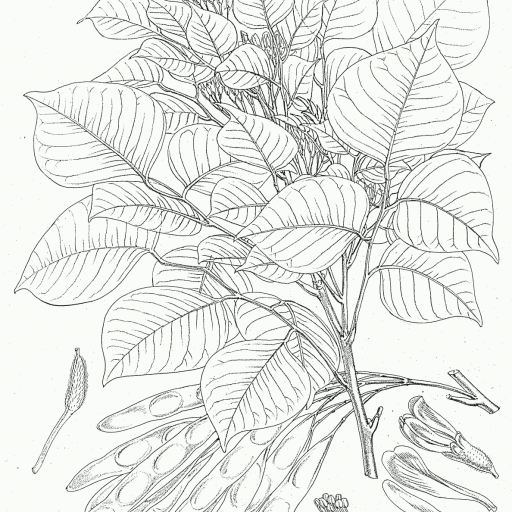
- 🍃 Leaf Structure: Features distinctive "pinnate" leaves with 3 to 5 alternating leaflets that are slightly leathery, light green, and oval-shaped with a pointed tip.
- 🌸 Delicate Blooms: During the spring, the tree produces dense clusters of tiny, fragrant, yellowish-white flowers that look like miniature sweet peas.
- 🍂 Seed Pods: By late summer, look for thin, flat, papery brown pods that hang in heavy bunches and rattle softly in the wind.
🏡 In Your Garden
- 🌳 Growth Habit: This is a vigorous, fast-growing tree that needs plenty of elbow room to stretch its canopy. Because it develops a deep, aggressive taproot, it is exceptionally drought-resistant but notoriously difficult to relocate once it has settled into its "forever home."
- 🌱 Soil Improver: As a member of the legume family, it is a natural nitrogen-fixer. It actually improves the quality of the soil around it, making it a "giving" tree for gardens with poor nutrient levels, provided you have the space for its sprawling height.
⚠️ Safety & Toxicity
- ✅ General Status: Dalbergia sissoo is generally considered non-toxic to humans, dogs, and cats under normal circumstances.
- 🧤 Sensitivities: While the living plant is safe, the wood itself contains natural oils that can cause "Rosewood dermatitis" (skin irritation) in sensitive individuals, primarily when handling sawdust or raw timber during woodworking.
✨ Fun Fact
- 🎸 The Musician’s Choice: Sheesham is a superstar in the world of luthiery! Its density and acoustic properties make it a premier choice for crafting the bodies of guitars, sitars, and percussion instruments like the Tabla.

Detailed Care Instructions
To grow Dalbergia sissoo, also known as Indian rosewood or sheesham, you can follow these steps:
- Climate and soil requirements: Dalbergia sissoo thrives in tropical and subtropical climates. It prefers well-draining soil with a pH level of 6.5 to 8.0.
- Seed selection: Obtain high-quality seeds from a reliable source. Fresh seeds are generally more viable, so choose seeds that are plump and healthy-looking.
- Seed scarification: To enhance germination, you can scarify the seeds by gently nicking or scratching the seed coat using a sharp blade or sandpaper. Soaking the seeds in water for a few hours prior to scarification can also help loosen the seed coat.
- Germination: Dalbergia sissoo seeds can be germinated in a seed tray or small pots filled with a well-draining potting mix. Sow the seeds about 1 inch deep and keep them moist but not waterlogged. Provide a warm and bright location, such as near a window, but away from direct sunlight.
- Transplanting: Once the seedlings have grown to a suitable size, usually with a few sets of true leaves, they can be transplanted into larger pots or directly into the ground. Space the plants at least 10-15 feet apart if planting in the ground.
- Care and maintenance: Water the plants regularly, ensuring the soil remains consistently moist but not waterlogged. Fertilize the plants with a balanced, slow-release fertilizer once every few months during the growing season. Ensure the plants receive adequate sunlight, preferably at least 6 hours of direct sunlight daily.
- Pruning and training: Dalbergia sissoo can grow into a large tree and may require regular pruning to maintain its desired size and shape. Remove any dead or diseased branches, and prune back excessive growth to encourage a compact and balanced shape.
- Pest and disease control: Monitor the plants for any signs of pests or diseases, such as aphids or fungal infections. Use appropriate organic or chemical controls as necessary to keep the plants healthy.
Remember to check with your local agricultural extension office or garden center for any specific advice or recommendations, as growing conditions may vary depending on your location.

Place in a bright room that is sun drenched almost all day. Or directly in a south-facing window.

To properly water this plant, it is recommended to follow a few key steps:
1. Determine the current moisture level of the soil by using a moisture meter. This will help you to avoid over or under-watering.
2. Water the plant slowly and deeply around the base of the stem, taking care to avoid getting water on the leaves or other parts of the plant. This will ensure that the roots receive the necessary nutrients.
3. Water the plant less frequently during cooler weather, as it will require less water. However, during hot and dry weather, you may need to water more frequently, keeping the soil consistently moist but not waterlogged.
4. Consider using a watering can or a drip irrigation system to water the plant, as these methods allow for more precise control over the amount of water delivered to the plant.
5. Fertilize the plant periodically to encourage healthy growth, and be sure to follow the manufacturer's instructions carefully.
By following these steps, you can ensure that your Dalbergia Sissoo plant receives the proper amount of water and nutrients to thrive.
To fertilize this plant, it is best to use a balanced fertilizer with equal amounts of nitrogen, phosphorus, and potassium. Apply the fertilizer evenly around the base of the plant, avoiding direct contact with the stem or foliage. Water the plant thoroughly after fertilizing to ensure the nutrients are distributed throughout the soil. Fertilize once a month during the growing season (spring and summer) and reduce or stop fertilizing during the dormant season (fall and winter).
The ideal soil for the plant is a well-draining, nutrient-rich soil with a pH of 6.0 to 7.5. It should be able to retain moisture without becoming waterlogged. The soil should not have high levels of salt or alkalinity, which can be harmful to the plant. Adding organic matter such as compost or aged manure to the soil can improve its fertility and structure. The plant prefers a slightly acidic soil and benefits from a regular fertilization program.
To propagate this plant, you can take a cutting from a healthy parent plant. The cutting should be around 6-8 inches long and include a few leaves and a node. Remove the lower leaves and dip the cut end in rooting hormone. Plant the cutting in a well-draining potting mix and keep it in a warm, bright area with high humidity. Water the cutting regularly, but do not overwater. After a few weeks, roots should begin to form and the cutting can be transplanted into a larger pot or into the ground.








