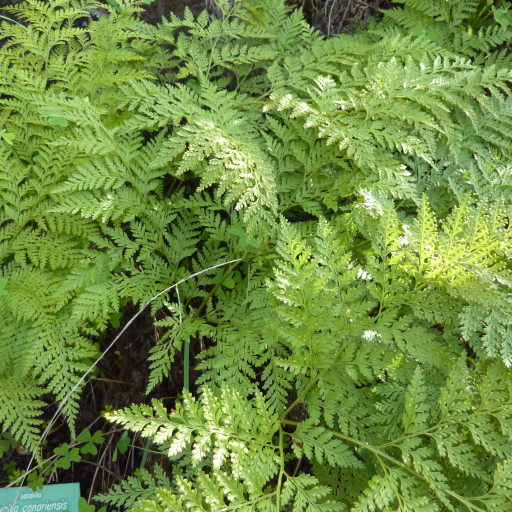
Plant Overview
Often called the Canary Island Hare's Foot Fern, this prehistoric-looking beauty is famous for its fuzzy, creeping rhizomes that spill over the edges of its pot like the paws of a small animal. Native to the Atlantic islands and the Mediterranean, it brings a touch of wild, woodland magic into any indoor jungle. Unlike many finicky ferns, this species is surprisingly resilient and acts as a living, breathing piece of sculpture.
🔍 How to Identify
- 🐾 Fuzzy Rhizomes: The most striking feature—thick, creeping surface stems covered in soft, light-brown to silvery scales that look remarkably like a rabbit's foot or a tarantula's leg.
- 🌿 Lacy Fronds: Delicate, triangular-shaped foliage that is deeply divided and fine-textured, giving the plant a light, airy, and sophisticated silhouette.
- 🍂 Leathery Texture: The fronds feel slightly tougher and more "plastic-like" than those of a typical Maidenhair Fern, which helps it retain moisture better.
🏡 In Your Garden
- 🏺 The "Crawling" Habit: Because this plant grows via surface rhizomes, it thrives best in hanging baskets or shallow pots. It actually prefers to have its "feet" exposed rather than buried in the dirt, as burying them can lead to rot.
- 💧 Storage Capability: The thick, furry rhizomes aren't just for show; they store water. This makes the Hare's Foot Fern much more forgiving of an occasional missed watering compared to its more dramatic fern cousins.
- ☁️ Humidity Lover: While it can handle lower humidity than most ferns, it truly flourishes in a steamy bathroom or when placed on a pebble tray, mimicking its misty island origins.
⚠️ Safety & Toxicity
- 🐾 Pet Friendly: This plant is a fantastic choice for pet owners! It is generally considered non-toxic to both cats and dogs.
- 👐 Skin Sensitivity: While not poisonous, some people with sensitive skin may find the "fuzz" on the rhizomes slightly irritating if handled excessively.
✨ Fun Fact
In its natural habitat, the Davallia canariensis is an epiphyte, meaning it doesn't need soil to survive! It uses those famous fuzzy feet to cling to the bark of trees and mossy rocks, absorbing moisture and nutrients directly from the air and rain.

Detailed Care Instructions
| Humidity | High |
| Lighting | Part Sun |
| Difficulty | Hard |
| Temperature | 15°C - 23°C |
| Hardiness Zones | 11A - 11B |
To grow Davallia Canariensis, also known as the Hare's Foot Fern or Deer's Foot Fern, try following these steps:
- Light: Place the fern in a location with bright, indirect light. Avoid direct sunlight, as it can scorch the foliage.
- Temperature: The optimal temperature for this fern is between 60-75°F (15-24°C). Avoid extreme temperature fluctuations and cold drafts.
- Humidity: Davallia Canariensis prefers high humidity levels. You can increase humidity by placing a tray filled with water near the plant or misting the foliage regularly.
- Watering: Keep the soil consistently moist but not soggy. Water the fern when the top inch of soil feels dry. Ensure proper drainage to prevent the roots from sitting in water.
- Soil: Use a well-draining, slightly acidic potting mix enriched with organic matter. A mix of peat moss, perlite, and sand can work well.
- Fertilizer: Feed the plant once every two to four weeks during the growing season (spring and summer) with a balanced liquid fertilizer diluted to half the recommended strength.
- Repotting: Repot the fern every 1-2 years in a slightly larger pot, using fresh potting soil. This will provide more space for its root system to grow.
- Pruning: Remove any yellow or damaged fronds by cutting them off at the base. Regularly remove old, spent fronds to encourage new growth.
- Propagation: The easiest way to propagate Davallia Canariensis is through division. When repotting, carefully separate the plant into multiple sections, making sure each new division has its own set of roots and leaves.
- Pests: Monitor the fern for pests like mealybugs, scale insects, or spider mites. If any infestation occurs, use an appropriate insecticidal soap to control them.
Remember, ferns can be sensitive to changes in their environment, so keep an eye out for any signs of stress and adjust care accordingly.

Place in a window with dappled sun or a spot in the middle of a room. Or directly in a window facing west or east.

Davallia Canariensis plant belongs to the fern family and requires a good amount of water to keep it healthy and thrive. To water this plant, you should first ensure that the soil in which it is planted is moist.
You should not let the soil dry out completely between watering, as this can cause stress to the plant and hinder its growth. To water this plant, you can gently pour water around the base of the plant until it starts to trickle from the drainage holes.
Ensure that you do not overwater the plant, as this can lead to root rot and damage the plant. It is also essential to avoid getting the foliage wet, as this can cause fungal infections.
You can water this plant once a week during the growing season and reduce the frequency during winter. You should also monitor the soil's moisture level and increase or decrease the watering frequency accordingly.
In conclusion, watering the Davallia Canariensis plant requires attention to the soil's moisture level, gentle watering around the plant's base, and avoiding wetting the foliage.
To fertilize this particular plant, use a balanced and gentle fertilizer that is specifically formulated for ferns. Dilute the fertilizer to half strength and apply it to the soil once per month during the growing season. Be sure to water the plant well before and after fertilizing to prevent damage to the roots. Avoid over-fertilizing as this can cause damage to the plant.
The ideal soil for the Davallia Canariensis plant should be well-draining and rich in organic matter. This plant can thrive in a variety of soil types, but it prefers soil that is slightly acidic to neutral with a pH range of 5.5 to 7.0. It is important to ensure that the soil is not too heavy or compacted, as this can lead to poor drainage and waterlogged roots. A mix of peat moss, perlite, and vermiculite is recommended for this plant. Additionally, adding a slow-release fertilizer to the soil can provide essential nutrients for growth and health. Overall, the soil should be loose, well-aerated, and nutrient-rich to promote optimal growth and development of the Davallia Canariensis plant.
To propagate this plant, collect spores from the undersides of the fronds when they are mature and ripe. Place the spores on a moist growing medium and cover with plastic to create a humid environment. Keep the container in a warm and bright location, but not in direct sunlight. The spores will start to germinate and grow into tiny plants, which can be transplanted into individual pots once they are big enough. Alternatively, the plant can also be propagated through division, by separating the clumps of rhizomes from the main plant and replanting them in new pots with fresh soil.
Common pests of the deer-foot fern include Mealybugs, spider mites, fungus gnats, aphids. Make a habit of checking your deer-foot fern frequently for pests so that any infestations can be caught and managed early.








