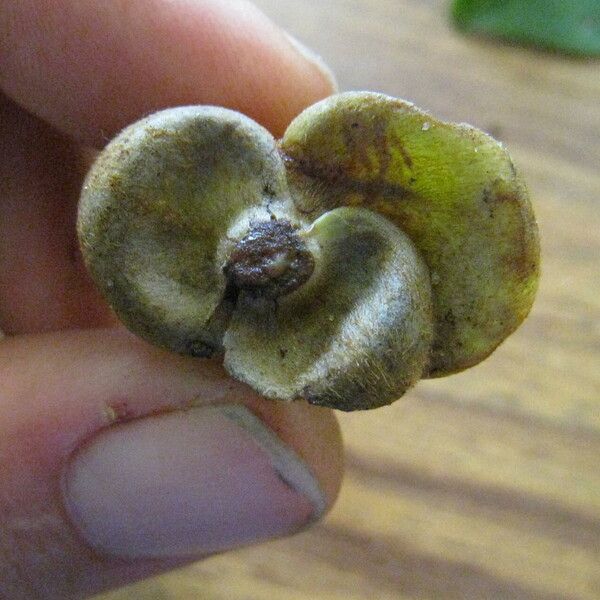
Plant Overview
Known as the Fire Vine or Sambaiba in its native Brazil, Davilla alata is a striking woody climber that tells a story of survival in the tropical rainforest. This liana is famous for its remarkably rough leaves, which feel exactly like high-grit sandpaper to the touch. In the wild, it weaves through the canopy, adding a rugged, rustic texture to the lush greenery of the Amazon basin.
🔍 How to Identify
- 🍃 Scabrous Foliage: The most iconic feature is the leaf texture; the surfaces are covered in tiny mineral deposits (silica) that make them feel like literal sandpaper.
- 🪵 Winged Stems: The species name alata means "winged," referring to the thin, barky ridges or "wings" that run along its reddish-brown woody stems.
- 🌼 Golden Blooms: It produces small, delicate clusters of bright yellow flowers with numerous stamens, which eventually produce seeds wrapped in a vibrant reddish aril.
🏡 In Your Garden
- 🧗 Structural Support: Because it is a true liana (a woody vine), it requires a sturdy trellis, fence, or a sacrificial tree to climb. It is a vigorous grower and will quickly "embrace" any structure it can reach.
- 🌞 Light & Drainage: It prefers a "head in the sun, feet in the shade" approach. While it loves bright light to fuel its climbing, it thrives best when its root system is kept cool in well-draining, organic-rich soil.
⚠️ Safety & Toxicity
- 🐾 Low Toxicity: Davilla alata is not generally considered highly toxic to humans or common pets, though it is not intended for consumption.
- ✋ Mechanical Irritation: The primary safety concern is the leaf texture. The abrasive surface can cause mild skin irritation or "sandpaper burns" if handled roughly, so wearing gloves during pruning is a smart move.
✨ Fun Fact
In many rural South American communities, the leaves of this plant were historically used as a natural abrasive tool. Before the advent of modern hardware stores, craftsmen used Davilla leaves to polish wooden furniture and scrub metallic cooking pots to a shine!

Detailed Care Instructions
To grow Davilla Alata (also known as the vine Davilla), you can follow these steps:
- Climate and Sunlight: Ensure that you are growing the plant in a suitable climate. Davilla Alata thrives in warm and tropical regions. Place the plant in an area where it can receive full to partial sunlight.
- Soil: Provide well-draining soil that is rich in organic matter. A mixture of equal parts garden soil, sand, and compost works well for Davilla Alata.
- Planting: Start by selecting a healthy young plant from a nursery. Dig a hole in the prepared soil that is large enough to accommodate the plant's root ball. Place the plant in the hole and gently cover it with soil, making sure the crown of the plant is level with the ground.
- Watering: Water Davilla Alata regularly to keep the soil moist but not soggy. Allow the top inch of soil to dry out slightly between waterings. During dry periods, increase the frequency of watering to prevent the plant from drying out.
- Fertilizer: Apply a balanced organic fertilizer to the plant once every month during the growing season. This will provide the necessary nutrients for healthy growth.
- Support: Since Davilla Alata is a vine, it will need support to climb on. Install trellises, stakes, or a suitable structure nearby to support the growing plant. As the vine grows, carefully wrap the stems around the support to guide its growth.
- Pruning: Perform regular pruning to shape the plant and remove any dead or damaged branches. Prune during the dormant season to encourage healthy growth the following season.
- Pests and Diseases: Keep an eye out for common pests like aphids or spider mites, and treat them with appropriate insecticides or insecticidal soap when necessary. Watch for signs of diseases such as leaf spots or powdery mildew. If you notice any symptoms, treat with appropriate fungicides.
Remember to regularly monitor the health and growth of the plant and adjust care accordingly. With proper attention and care, Davilla Alata can flourish and provide an attractive display of foliage and flowers.
To water the Davilla Alata plant effectively, consider the following steps:
- Determine the watering frequency: The Davilla Alata plant prefers consistent moisture without overwatering. It is crucial to establish the correct watering frequency based on the plant's specific needs. Consider factors such as the plant's size, pot size, and environmental conditions.
- Assess soil moisture: Before watering the plant, it is essential to check the soil moisture levels. Insert your finger about an inch deep into the soil. If it feels dry, it is an indication that the plant requires watering, but if it feels damp, it is recommended to wait before watering.
- Choose an appropriate water source: Generally, using room temperature water is sufficient for watering Davilla Alata plants. Fill a watering can or use a hose attachment that provides a gentle flow of water to avoid any damage to the plant's fragile roots.
- Water thoroughly, but avoid overwatering: Slowly pour water onto the soil, ensuring that it is distributed evenly without causing pooling or waterlogging. Allow the water to penetrate through the soil and reach the roots. It is crucial to provide ample moisture, but avoid excessive watering as it can lead to root rot or other issues.
- Drain excess water: After watering, ensure that the pot has adequate drainage holes to allow excess water to escape. This helps prevent water from accumulating in the bottom of the pot, potentially causing root rot. If excess water collects, carefully empty it out to maintain optimal soil moisture levels.
- Monitor plant response: Finally, keep an eye on the Davilla Alata plant for signs of either overwatering or underwatering. Wilting or yellowing leaves might indicate overwatering, while dry or crispy leaves could mean the plant needs more water. Monitoring the plant's condition helps adjust the watering schedule accordingly.
Remember, each plant's water requirements may vary depending on several factors, so it is important to observe the Davilla Alata plant's response and adjust the watering routine accordingly.
- Choose a suitable fertilizer: Select a balanced, water-soluble fertilizer that contains equal amounts of nitrogen (N), phosphorus (P), and potassium (K). A ratio of 10-10-10 or 20-20-20 is generally recommended for Davilla Alata.
- Dilute the fertilizer: Follow the manufacturer's instructions to dilute the fertilizer in water. Usually, you will need to mix approximately 1 tablespoon (15ml) of fertilizer in 1 gallon (3.8 liters) of water.
- Water the plant: Before fertilizing, thoroughly water the Davilla Alata plant. This will ensure that the roots are well-hydrated and ready to absorb the nutrients from the fertilizer.
- Apply the fertilizer: Slowly pour the diluted fertilizer around the base of the plant, making sure to avoid getting it on the leaves. The fertilizer should be evenly distributed around the root zone.
- Avoid over-fertilizing: It is important not to over-fertilize your Davilla Alata plant. Excessive amounts of fertilizer can burn the roots and harm the plant. Follow the recommended dosage and frequency specified on the fertilizer package.
- Monitor the plant's response: Observe how the plant reacts to the fertilization. If you notice any signs of fertilizer burn, such as wilting, yellowing, or browning of the leaves, immediately discontinue fertilizing. Flush the soil with plenty of water to dilute the excess nutrients.
- Fertilize during the growing season: Davilla Alata plants benefit from regular fertilization during the active growth period, which is typically spring and summer. Reduce or stop fertilizing during the dormant period in fall and winter.
- Adjust for specific conditions: Depending on your specific climate, soil conditions, and plant health, you may need to adjust the fertilization schedule or dosage. Monitor the plant's growth and health to make any necessary adjustments accordingly.
Remember, it's important to research the specific needs of your plant and refer to any additional care instructions to ensure optimal fertilization for your Davilla Alata.
Davilla alata, a plant species commonly referred to by several different names, is a flowering plant that requires specific soil conditions to thrive. It is recommended to use a well-draining soil mixture when cultivating Davilla alata. The soil should have a good balance of moisture retention and drainage to ensure optimal growth.
A suitable soil mix for Davilla alata can be prepared by combining components such as garden soil, peat moss or coco coir, and perlite or sand. Garden soil provides essential nutrients and minerals, while peat moss or coco coir aids in moisture retention without becoming waterlogged. Perlite or sand helps improve drainage, preventing water from pooling around the plant's roots.
It is important to ensure that the soil mix is loose and light to allow proper aeration and root growth. This helps prevent the roots from becoming waterlogged and avoids the risk of root rot.
As Davilla alata prefers slightly acidic to neutral soil, adding organic matter such as compost or well-rotted manure can be beneficial. These organic materials help improve soil fertility and provide a steady release of nutrients over time.
Apart from the soil mix, proper watering and light requirements are also crucial factors for the successful cultivation of Davilla alata. Regular waterings are necessary, but it is important to avoid over-watering the plant, as this can lead to root rot. Providing bright, indirect light or partial shade will help maintain the plant's healthy growth and flowering.
By providing the appropriate well-draining soil mix, suitable watering routine, and adequate light conditions, you can create an ideal environment for the growth and development of Davilla alata.
Davilla alata is a vigorous and fast-growing perennial plant that is primarily propagated through stem cuttings. Here is a detailed guide on how to propagate Davilla alata:
- Select a healthy and mature parent plant: Choose a Davilla alata plant that is disease-free, free from pests, and has well-developed stems.
- Preparation: Before taking the stem cutting, prepare all the necessary tools and materials such as a sharp and sterilized pair of pruning shears or a sharp knife, a propagation tray or pots filled with a well-draining potting mix, a rooting hormone (optional), and clean water.
- Timing: The best time to take stem cuttings is in the spring or early summer when the plant is actively growing. Avoid taking cuttings during periods of extreme heat or cold.
- Selecting and preparing the cutting: Look for a healthy stem that is about 4-6 inches long with several sets of leaves. Make a clean, diagonal cut just below a node (the area where leaves emerge). Remove any lower leaves on the cutting, leaving a few sets of leaves at the top.
- Rooting hormone (optional): Dip the cut end of the stem into a rooting hormone powder or gel. This helps to stimulate root growth and increase the chances of successful rooting.
- Planting the cutting: Make a hole in the potting mix in the propagation tray or pots using a dibber or pencil. Insert the cutting into the hole and gently firm the potting mix around it to provide stability. Ensure that at least two nodes are planted in the potting mix.
- Watering: Water the cutting thoroughly after planting to settle the soil and provide moisture. Allow excess water to drain away.
- Creating a suitable environment: Place a clear plastic bag or a mini greenhouse cover over the tray or pots to create a humid environment. This helps to prevent excessive moisture loss from the cutting, promoting successful rooting.
- Providing proper care: Place the tray or pots in a bright, indirect light location. Avoid direct sunlight as it may scorch the cutting. Maintain a consistent temperature around 70-75°F (21-24°C) for optimal rooting.
- Monitoring and caring for the cutting: Monitor the cutting regularly and mist it with water if the potting mix becomes dry. Avoid overwatering, as excessive moisture can lead to rot. After a few weeks, gently tug on the cutting to check for resistance, indicating root development.
- Transplanting: Once the cutting has developed a strong root system (usually after 6-8 weeks), it is ready to be transplanted into a larger pot with well-draining soil or directly into the garden.
By following these steps, you can successfully propagate Davilla alata and enjoy the beauty of this plant in your garden or indoor space.








