Plant Overview
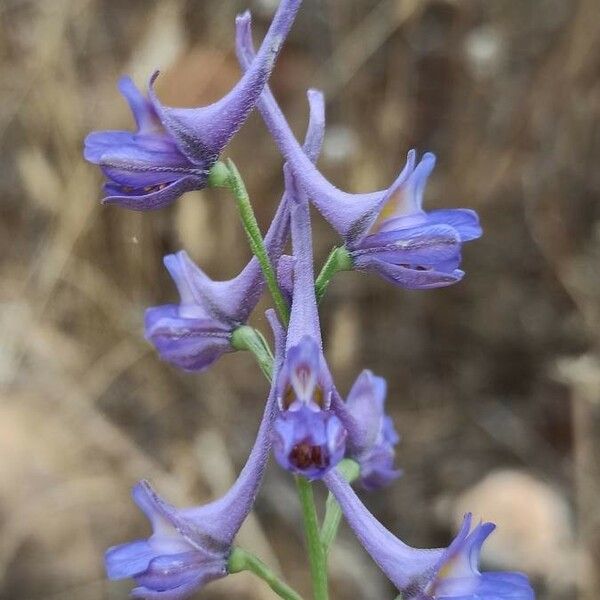
Known affectionately as the Slender Larkspur, Delphinium gracile is a delicate Mediterranean beauty that brings a touch of wild elegance to rocky landscapes. Unlike its heavy-headed garden cousins, this species is prized for its airy, ethereal appearance and deep indigo blooms that seem to dance on invisible stems. Its name "gracile" perfectly captures its slender, wiry frame, which has helped it survive the breezy, sun-drenched hillsides of Spain and North Africa for centuries.
🔍 How to Identify
- 🪶 The Foliage: The leaves are deeply divided into fine, thread-like segments, appearing almost lace-like at the base of the plant before thinning out as they move up the stem.
- 🐬 The Blooms: Its flowers are a striking violet-blue, featuring the classic "spur" at the back that gives the Larkspur family its name. The buds are said to resemble tiny jumping dolphins.
- 📏 The Stature: True to its name, the plant is remarkably thin. It typically grows upright but maintains a "see-through" quality, making it a favorite for adding height without blocking the view of other plants.
🏡 In Your Garden
- ☀️ Sun & Drainage: This plant is a child of the Mediterranean; it craves full sun and gravelly, well-draining soil. It is much more drought-tolerant than traditional hybrid Delphiniums and hates sitting in soggy earth, which can lead to crown rot.
- 🌬️ Structural Support: Because the stems are so thin and "gracile," they can be prone to snapping in high winds. Planting them among low-growing shrubs or using subtle twiggy pea-sticks can provide the natural support they need without ruining their wild look.
⚠️ Safety & Toxicity
- 🚫 High Toxicity: Like all members of the Delphinium genus, this plant contains potent alkaloids (such as delphinine). It is considered toxic to humans and highly dangerous to livestock.
- 🐾 Pet Warning: Ingestion can cause severe digestive upset, neuromuscular blockages, or even respiratory failure in dogs, cats, and horses. Always wear gloves when pruning if you have sensitive skin, as the sap can cause minor irritation.
✨ Fun Fact
The genus name Delphinium comes from the Ancient Greek word delphís, meaning "dolphin." If you look closely at the flower buds before they fully open, they bear a striking resemblance to a dolphin’s nose and curved body!

Detailed Care Instructions
| Humidity | Normal |
| Difficulty | Medium |
| Hibernation | Cold Period |
| Temperature | 20°C - 24°C |
| Hardiness Zones | 3 - 7 |

Place in a bright room that is sun drenched almost all day. Or directly in a south-facing window.

To water this type of plant, it's important to first check the soil moisture. Stick your finger about an inch into the soil and see if it feels moist or dry. If it's dry, it's time to water.
When watering, aim to water the soil around the base of the plant rather than getting the leaves wet. Use a watering can or hose with a gentle flow to avoid disrupting the soil too much. Water until the soil is moist but not soaking.
It's important not to let this type of plant go too long without water, as it prefers consistently moist soil. However, be careful not to overwater, as too much water can lead to root rot and other issues.
In general, a good rule of thumb is to water once a week or whenever the soil feels dry to the touch. During particularly hot or dry periods, you may need to water more frequently.
The ideal type of soil to use for this plant is one that is well-draining, rich in organic matter, and has a slightly acidic to neutral pH level. It should also be loose and crumbly, with good aeration and water retention capabilities. Additionally, the soil should be free from any contaminants or pollutants that could harm the plant. Testing the soil before planting is recommended to ensure that it meets these requirements.








