Plant Overview
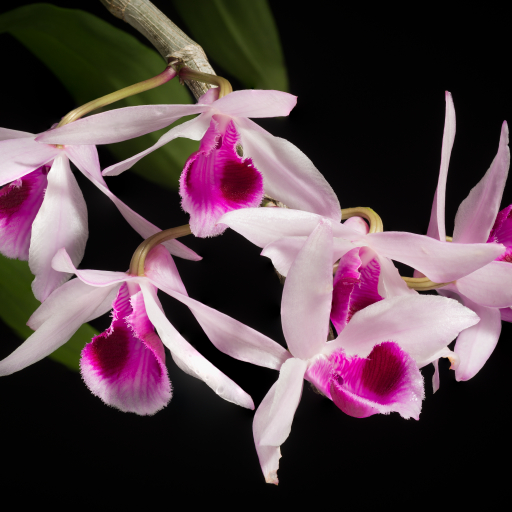
Known as the "Honohono Orchid" in Hawaii or the "Superbum" among collectors, Dendrobium anosmum is a showstopper that commands attention with its waterfall of blossoms. Despite its Latin name meaning "scentless," it is actually one of the most intensely fragrant orchids in the world. When in bloom, it can fill an entire garden or room with the sweet, nostalgic aroma of juicy raspberries or cream soda.
🔍 How to Identify
- 🌿 The Canes: This orchid grows long, fleshy, pendulous "canes" (pseudobulbs) that can reach lengths of 4 to 6 feet. They naturally hang downward, creating a dramatic curtain of greenery.
- 🌸 The Blooms: Flowers appear in pairs along the nodes of the older canes. They are typically a soft lavender-pink with two dark, velvety purple spots deep in the "throat" or lip.
- 🍂 Deciduous Nature: One of its most distinct traits is that it drops its leaves annually. Don't be alarmed if the leaves turn yellow and fall off in the winter—this is a natural part of its life cycle and a precursor to blooming.
🏡 In Your Garden
- 🌬️ Air & Mounting: As an epiphyte (a plant that grows on trees in the wild), it thrives when mounted on a piece of cork, wood, or tucked into a very loose, airy bark mix. It requires excellent drainage and hates having "wet feet."
- 💤 The Winter Rest: To see those famous flowers, you must practice a bit of "tough love." During the winter, you must drastically reduce watering and stop fertilizing. This dry period mimics the natural monsoon cycle of Southeast Asia and triggers the plant to produce flower buds instead of new leaves.
⚠️ Safety & Toxicity
- ✅ Safe Status: Dendrobium anosmum is generally considered non-toxic to humans, cats, and dogs. It is a very safe choice for an indoor hobbyist.
- 🪴 Mechanical Safety: While not chemically toxic, the long canes are surprisingly heavy and brittle. It is best to hang the plant securely to prevent it from falling or having its canes snapped by curious pets or high-traffic areas.
✨ Fun Fact
In Hawaii, the name "Honohono" translates to "step by step," referring to the way the leaves grow in an alternating, staggered pattern along the stem. It has become such a beloved part of the local culture there that many residents compete to see who can grow the longest, most blossom-heavy "curtain" of orchids.

Detailed Care Instructions
To grow Dendrobium Anosmum, also known as the "renanthera orchid," you can follow these steps:
- Purchase a healthy plant or obtain seeds or a young seedling from a reputable nursery or orchid supplier. Dendrobium Anosmum is native to Southeast Asia and can tolerate both warm and cool climates.
- Choose the right pot or container. A pot with good drainage holes is essential to prevent waterlogging, which can cause root rot. Use a potting mix specifically designed for orchids, which is usually composed of bark chips and perlite.
- Provide the ideal growing conditions. Dendrobium Anosmum thrives in bright but indirect sunlight. Place your plant near a bright window but avoid direct sunlight that can scorch the leaves. Maintain a temperature between 60°F to 85°F (15°C to 29°C).
- Water your orchid properly. Dendrobium Anosmum prefers a slightly drier environment, so allow the top inch of the potting mix to dry out before watering. Use tepid water to thoroughly wet the roots, avoiding getting water on the foliage. After watering, let excess water drain away.
- Provide adequate humidity. Orchids generally prefer higher humidity levels. To increase humidity, place a tray of water near the plant or use a humidifier. Alternatively, you can place the pot on a bed of moist pebbles.
- Fertilize regularly. Use a balanced orchid fertilizer and follow the instructions for dosage. Apply fertilizer every two weeks during the active growing season (spring and summer) and reduce frequency during the dormant period (fall and winter).
- Prune and repot as needed. Prune the plant after flowering by cutting back the flower stems to encourage new growth. Repot the Dendrobium Anosmum roughly every two years or when the potting mix breaks down. Choose a slightly larger pot and fresh orchid mix.
- Watch out for pests and diseases. Common pests that affect orchids include aphids, mealybugs, and spider mites. Regularly inspect your plant for any signs of infestation and treat accordingly. Keep an eye out for any leaf discoloration, spotting, or signs of rot, which may indicate potential diseases.
Remember that growing orchids can require some trial and error, as each plant may have slightly different needs. Be patient, observe your plant's response, and adjust the care accordingly.
Dendrobium Anosmum plant requires frequent watering in order to grow healthily. A good way to determine the watering frequency is to check the soil moisture level regularly. When the top inch of soil feels dry to the touch, it is time to water the plant.
When watering, it is important to use room temperature water and to ensure that the water drains out completely from the pot. The plant should not be left sitting in standing water as it can lead to root rot.
During the growing season, which is typically from spring to fall, the plant should be watered more frequently and the soil should never be allowed to completely dry out. In the winter months, the plant can be watered less frequently as it goes through a dormant period.
In addition to regular watering, the Dendrobium Anosmum plant benefits from a regular misting with a spray bottle. This helps to maintain the humidity levels that the plant requires for healthy growth.
To fertilize this orchid, you can use a balanced orchid fertilizer that contains equal amounts of nitrogen, phosphorus, and potassium. It's important to dilute the fertilizer to half or quarter strength to avoid burning the orchid's roots. You can apply the fertilizer once a month during the growing season, which usually starts in spring and ends in fall. During the winter months, you can reduce the frequency of fertilization to once every two or three months. Make sure the orchid is watered thoroughly before and after the application of fertilizer.
Dendrobium Anosmum plants typically grow best in a well-draining soil mix that has a slightly acidic pH between 5.0 and 6.5. The soil should have a good balance of organic and inorganic matter, such as perlite or sand, to promote healthy root growth and prevent waterlogging. It's important to avoid using soils that are heavy and compact, as this can lead to root rot and other fungal infections. A suitable soil mix for Dendrobium Anosmum plants may include materials like bark, sphagnum moss, coconut coir, or peat moss to provide adequate aeration and moisture retention. Additionally, it's recommended to add fertilizer to the soil mix during the growing season to provide essential nutrients for healthy growth and blooming.
To propagate this plant, you will need to first identify a healthy stem with at least one node on it. Carefully cut the stem at a 45-degree angle just below the node using a sharp, sterile knife. Dip the cut end in rooting hormone powder to promote root growth.
Prepare a pot filled with a well-draining orchid potting mix. Make a small hole in the soil using a toothpick or similar tool, and gently insert the cutting into the hole. Firmly press the soil around the cutting to secure it in place.
Water the new plant lightly to avoid washing away the rooting hormone. Place the pot in a warm, humid location with bright, indirect light. Mist the leaves and soil regularly to maintain high humidity levels.
After a few weeks, you should see new growth on the cutting. Once the new plant is well-established and rooted in the pot, it can be transplanted into a larger container or grown in a hanging basket.








