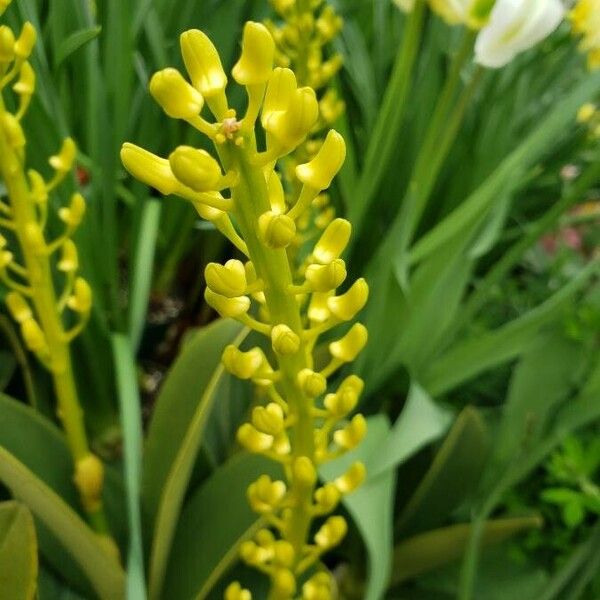
Plant Overview
Known as the "Knobby Dendrobium" or "Nodding Dendrobium," this orchid is a showstopper native to the high-altitude forests of Southeast Asia. It is famous for its bizarre, swollen stems that resemble a string of oversized beads or a knobby bamboo cane. When spring arrives, these pendulous "beads" transform, bursting into a waterfall of crystalline, fragrant flowers that make it a prized jewel for orchid collectors.
🔍 How to Identify
- 🎋 Knotted Canes: The most striking feature is its "pendulous" pseudobulbs, which are heavily swollen at the nodes, giving the hanging stems a distinct, beaded appearance.
- 🌸 Tri-Color Blooms: The flowers are waxy and fragrant, featuring white petals tipped with vibrant amethyst-purple and a deep, golden-yellow center.
- 🍃 Seasonal Foliage: It is a deciduous species, meaning it often sheds its thin, lance-shaped leaves during its winter rest period, leaving only the "knobby" canes behind to bloom.
🏡 In Your Garden
- 🧺 The Hanging Habit: Because the stems naturally drape downward, this plant struggles in a traditional pot. It is much happier mounted on a piece of cork bark or tucked into a hanging wooden slat basket.
- ❄️ The Winter Rest: This orchid requires a "tough love" approach. To trigger flowering, you must provide a cool, dry period in the winter with almost no water; if you keep it too pampered and wet during dormancy, it will grow new leaves but skip the flowers.
- ☁️ Filtered Light: It craves high humidity and bright, indirect light. Think of the dappled sunshine filtering through a mountain canopy—it hates the harsh, direct midday sun.
⚠️ Safety & Toxicity
- ✅ Pet Friendly: Like most members of the Dendrobium family, Dendrobium pendulum is generally considered non-toxic to cats, dogs, and horses.
- 🧤 Sap Sensitivity: While not poisonous, the sticky sap from broken canes can occasionally cause mild skin irritation for those with sensitive skin. It’s always best to wash your hands after dividing or pruning the plant.
✨ Fun Fact
In its native habitats like Thailand and the Himalayas, this orchid lives as an "epiphyte," meaning it grows entirely on trees without soil, drawing all its moisture and nutrients from the humid mountain air and passing rain.

Detailed Care Instructions
To grow Dendrobium Pendulum plant, follow these steps:
- Purchase a healthy plant: Look for a well-established and healthy Dendrobium Pendulum plant from a reputable nursery or online seller. Check the leaves and roots for any signs of damage or disease.
- Choose the right location: Dendrobium Pendulum plants require bright but indirect sunlight. Avoid placing them in direct sunlight as it can cause leaf burn. Choose a spot near a window with filtered light or a shaded area in your garden.
- Provide the right temperature and humidity: Dendrobium Pendulum plants prefer warm temperatures ranging from 60°F to 80°F (15°C to 27°C) during the day and slightly cooler temperatures at night. They also thrive in high humidity, ideally around 50-70%.
- Select the appropriate pot and growing medium: Choose a pot with drainage holes to prevent waterlogging. For the growing medium, use a well-draining orchid mix consisting of bark, perlite, and sphagnum moss.
- Watering: Water your Dendrobium Pendulum plant thoroughly but allow the top inch of the growing medium to dry out before watering again. Mist the plant regularly to maintain the desired humidity. Avoid overwatering, as this can lead to root rot.
- Fertilization: Feed your plant with a balanced orchid fertilizer once a month during the growing season (spring and summer). Follow the instructions on the fertilizer packaging for proper dosage.
- Repotting: Dendrobium Pendulum plants generally need to be repotted every 1-2 years. Repot them in a slightly larger pot using fresh orchid mix. This promotes healthy root growth and prevents overcrowding.
- Pruning: Trim any dead or yellowing leaves or stems to maintain the plant's appearance. Pruning is best done after flowering.
- Blooming: Dendrobium Pendulum plants flower in spring or early summer. Provide a cooler period during the winter by reducing watering and lowering the temperature slightly to encourage blooming.
- Pest control: Monitor your plant for any signs of pests such as mealybugs or scale insects. If infested, treat the plant with appropriate insecticides or use natural pest control methods.
Remember to research and understand the specific care requirements of Dendrobium Pendulum plants, as they can vary slightly from other Dendrobium species. Regular observation and care will help your plant thrive and produce beautiful blooms.
The recommended method for watering this particular species of plant is to wait until the soil has become almost completely dry before giving it a thorough watering. When watering, be sure to use room temperature water and avoid allowing the water to remain stagnant in the pot as this can lead to root rot. It is also important to fertilize the plant regularly during the growing season, but to reduce fertilization during the dormant period.
- Use a balanced, water-soluble fertilizer with equal amounts of nitrogen, phosphorus, and potassium.
- Dilute the fertilizer according to package instructions.
- Apply the fertilizer to the soil or growing medium once a month during the growing season.
- Avoid fertilizing during the plant's dormant period.
- Water the plant thoroughly before and after fertilizing to prevent root burn.
- Use a fertilizer high in phosphorus during the blooming season to promote flower growth.
- Monitor the plant's growth and adjust fertilizing accordingly, ensuring not to over-fertilize.
Dendrobium pendulum plants thrive in well-draining soil that is rich in organic matter. The soil should have a slightly acidic to neutral pH level, typically between 5.5 and 7.5. The ideal soil should also be able to retain moisture without becoming waterlogged, as this can lead to root rot and other issues that can harm the plant's overall health. Additionally, it is recommended to use a soil mix that is specifically designed for orchids, which often contains a blend of materials such as bark, moss, and perlite to create a light and airy texture that allows for optimal drainage and aeration.
To propagate this plant, first select a healthy stem that has at least two nodes. Cut the stem with a sterilized sharp knife or scissors. Make sure to leave a few inches of the stem above the last node.
Next, prepare a small pot with well-draining soil mix and moisten the soil. Dip the cut end of the stem into rooting hormone powder and plant it in the prepared pot.
Water the soil immediately and keep it moist, but not waterlogged. Place the pot in a bright, indirect light location but avoid direct sunlight.
Cover the pot with a clear plastic bag to increase the humidity level and promote root growth. Check the soil moisture regularly and mist the plant occasionally.
After a few weeks, you should see new growth sprouting from the top of the stem. Once the roots are well-established, you can slowly remove the plastic cover and move the plant to a bright location.
Continue to care for the new plant by providing regular watering and fertilizing as needed. With proper care, your propagated Dendrobium Pendulum will thrive and eventually produce beautiful flowers.








