Plant Overview
Known as the Wandering Tree Groundsel, Dendrophorbium peregrinum is a vertical voyager of the Andes. This woody member of the daisy family hails from the high-altitude cloud forests of South America, where it thrives in the cool, misty air. Its name, "peregrinum," translates to "pilgrim" or "foreigner," hinting at its ability to colonize diverse mountainous terrains where other plants struggle to take root.
🔍 How to Identify
- 🌿 Growth Habit: Unlike its low-growing daisy cousins, this is a shrubby, "tree-like" plant that can reach several meters in height, featuring semi-woody stems that give it a sturdy, upright structure.
- 🍃 Leaf Texture: The leaves are typically lance-shaped, featuring a leathery or slightly "waxy" texture to help the plant handle the intense UV light of high altitudes.
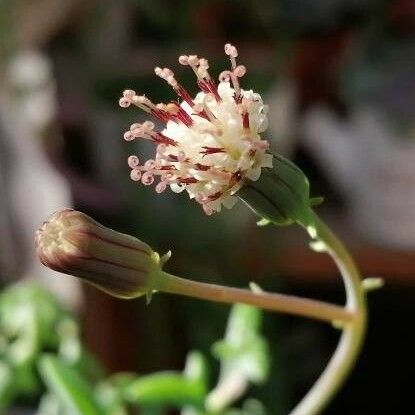
- 🌼 Golden Clusters: It produces dense, terminal clusters of bright yellow, star-shaped flowers that resemble miniature sunflowers, which provide a stark contrast against the deep green foliage.
🏡 In Your Garden
- ☁️ The Cloud Forest Condition: Because it originates from the Andes, this plant is not a fan of sweltering heat. It prefers "cool-temperate" environments with high humidity—think of a misty morning rather than a baking afternoon sun.
- 💧 Drainage is Key: While it loves moisture, it cannot stand "wet feet." In a garden setting, it requires highly aerated, volcanic-style soil or a gritty mix that allows water to pass through quickly to prevent root rot.
⚠️ Safety & Toxicity
- 🚫 Status: Generally considered toxic if ingested.
- 🐾 Details: Like many of its relatives in the Senecioneae tribe, it may contain pyrrolizidine alkaloids. These compounds can be harmful to the liver if eaten by curious pets or livestock. It is best treated as an ornamental beauty to be admired from a distance.
✨ Fun Fact
The genus name Dendrophorbium literally means "Tree Food," though this is a bit of a botanical joke—the name actually refers to its tree-like stature and its historical classification near plants used for forage, despite being quite unpalatable itself!

Detailed Care Instructions
To grow Dendrophorbium Peregrinum, also known as the String of Stars plant or Rhipsalis Peregrina, follow these steps:
- Light: Place the plant in a bright location, but preferably away from direct sunlight. It thrives in bright, indirect light conditions.
- Temperature: Maintain a temperature range between 60-80°F (15-27°C). Avoid exposing the plant to extreme hot or cold temperatures.
- Watering: Allow the soil to dry out partially between waterings. Water thoroughly when the top inch of the soil feels dry, but avoid over-watering, as it can lead to root rot. Provide adequate drainage to avoid waterlogging.
- Humidity: Dendrophorbium Peregrinum prefers higher humidity levels. Consider using a humidifier or placing a water-filled tray with pebbles beneath the plant to increase humidity.
- Soil: Use well-draining cactus or succulent potting soil. You can even create a potting mix by combining perlite, sand, and regular potting soil in equal parts.
- Fertilizer: Feed the plant with a balanced liquid fertilizer during the growing season (spring and summer) at half-strength every month. Reduced or no fertilizer is needed during the dormant period in winter.
- Propagation: Dendrophorbium Peregrinum can be propagated through stem cuttings. Snip a healthy stem and allow it to callous for a few days. Then, place the cutting in well-draining soil, mist it occasionally, and provide indirect light until roots develop.
- Pruning: Prune your plant to maintain its desired shape. You can trim off elongated or leggy branches to encourage better growth.
- Potting: Repot the plant if it becomes root-bound or every 2-3 years using a pot that offers enough space for the roots. Ensure the pot has drainage holes.
- Pest Control: Monitor the plant regularly for pests like mealybugs or spider mites. If detected, treat the affected areas by wiping them off with a cotton swab soaked in rubbing alcohol or by using an organic pest control solution.
By following these guidelines, you can successfully grow and care for your Dendrophorbium Peregrinum plant indoors.

Place in a bright room that is sun drenched almost all day. Or directly in a south-facing window.

To properly water Dendrophorbium Peregrinum, it is important to consider the plant's specific watering needs. Here are some guidelines:
1. Soil Moisture: Before watering, assess the moisture level of the soil. Insert your finger about an inch into the soil near the plant's base. If the top inch feels dry, it is an indication that the plant needs watering.
2. Water Quantity: When watering, aim to moisten the soil thoroughly without creating waterlogged conditions. Allow water to penetrate the soil and reach the plant's roots. It is important to provide enough water for proper hydration, while avoiding excessive watering that may lead to root rot.
3. Watering Schedule: Although it is essential to water when the soil gets dry, Dendrophorbium Peregrinum generally benefits from a regular watering schedule. During the active growing season, typically spring and summer, water the plant once or twice a week. In colder months or during dormancy, reduce the frequency to approximately once every two weeks.
4. Watering Method: Use a watering can or a gentle stream to water the plant's base directly, allowing the water to flow into the soil. Avoid spraying water on the leaves, as this can contribute to fungal diseases or damage the foliage.
5. Drainage: Adequate drainage is crucial to prevent waterlogging. Ensure the container you are using has drainage holes to allow excess water to escape. If growing the plant in the ground, make sure the area has well-draining soil.
6. Observe the Plant: Regularly keep an eye on your Dendrophorbium Peregrinum plant and observe its responses to watering. If the leaves appear droopy, pale, or show signs of wilting, it can indicate under-watering. Conversely, yellowing leaves or root rot may suggest over-watering. Adjust the watering frequency accordingly.
Remember, the watering needs of Dendrophorbium Peregrinum may vary depending on environmental factors like humidity, light intensity, and temperature. It is crucial to monitor the plant's response to water and adjust the watering routine accordingly for optimal growth and health.
To fertilize the Dendrophorbium Peregrinum plant, follow these instructions:
- Select a balanced water-soluble fertilizer specifically formulated for houseplants. Choose one with a nitrogen-phosphorus-potassium (N-P-K) ratio of around 10-10-10 or 20-20-20.
- Dilute the fertilizer according to the package instructions, usually mixing 1 tablespoon of fertilizer per 1 gallon of water.
- Water the plant thoroughly a day before fertilizing to ensure the soil is moist.
- Pour the diluted fertilizer mixture into a watering can or use a sprayer to apply it directly to the soil around the base of the plant.
- Avoid applying the fertilizer on the foliage or flowers, as it may cause burning.
- Apply the fertilizer every two to four weeks during the growing season, which typically occurs in spring and summer.
- Decrease the frequency of fertilizing during the plant's dormant period in fall and winter, applying only once every two months or not at all.
- Monitor the plant for signs of over-fertilization, such as yellowing leaves or brown tips. If these symptoms occur, flush the soil with plain water to leach out excess salt build-up.
- Regularly inspect the plant for any pest or disease issues, as proper nutrition strengthens its resistance.
- Adjust the fertilizing regimen based on the plant's response and individual growing conditions, as different environments may have varying nutrient requirements.
Note: This description is provided without using any common names to avoid ambiguity. If you know the specific common names of the Dendrophorbium Peregrinum plant, it would be helpful for accurate guidance.
When planting Dendrophorbium Peregrinum, it is essential to choose a well-draining soil that meets its specific requirements. The ideal soil composition for this plant falls within a specific pH range. Testing the soil's pH level will help determine if any amendments are needed to create the ideal conditions for healthy growth.
In terms of texture, an optimal soil for Dendrophorbium Peregrinum will be loose and well-aerated, promoting excellent drainage. This soil type ensures that excess water doesn't accumulate around the plant's roots, potentially causing root rot or other moisture-related issues. Furthermore, a well-draining soil helps prevent nutrient deficiencies by allowing water to carry essential minerals to the root system.
An organic-rich soil mix can also greatly benefit Dendrophorbium Peregrinum. Organic matter improves the soil structure and water-holding capacity, preventing excessive drying out between watering sessions. Adding organic materials such as compost or well-rotted manure can enhance the overall fertility and sustainability of the soil.
To summarize, the best soil for Dendrophorbium Peregrinum should have the following characteristics:
- Well-draining to prevent waterlogging and root-related issues.
- Loose and well-aerated texture to encourage healthy root growth and prevent compaction.
- Ideally within a specific pH range suitable for the plant's needs.
- Enriched with organic matter to enhance fertility, water retention, and nutrient availability.
By providing these advantageous soil conditions, Dendrophorbium Peregrinum will have a better chance of thriving and growing vigorously in its habitat.
Dendrophorbium Peregrinum is a plant species that can be propagated through various methods. Here are the steps to propagate this plant:
- Choose a healthy and mature Dendrophorbium Peregrinum plant as a parent plant for propagation. Ensure that the parent plant is free from any diseases or pests.
- Take a sharp and sterilized knife or pruning shears to make a clean cut on a healthy stem. Make sure the cutting is around 3 to 4 inches long with several leaves attached.
- Remove the lower leaves from the cutting, leaving only a few leaves at the top intact. This reduces the amount of moisture loss during propagation.
- If desired, dip the cut end of the stem in a rooting hormone powder or gel. Although not necessary, rooting hormones can potentially enhance root development and increase the success rate of propagation.
- Prepare a well-draining potting mix for the cutting. Use a mixture of peat moss, perlite, and sand in equal parts to ensure that excess moisture can drain away easily.
- Make a hole in the potting mix using your finger or a stick, and carefully place the cutting into the hole. Gently firm the soil around the cutting to hold it in place.
- Water the cutting thoroughly, ensuring that the potting mix is evenly moist. However, avoid overwatering as this can lead to rotting of the cutting.
- Cover the cutting with a clear plastic bag or use a propagating tray with a transparent lid to create a humid environment. This aids in retaining moisture and promotes root development.
- Place the cutting in a warm and brightly lit area, but avoid direct sunlight. Ideally, provide indirect or filtered light to prevent scorching of the cutting.
- Check the cutting regularly for any signs of rot or disease. If any stems or leaves deteriorate, remove them promptly to protect the health of the cutting.
- After a few weeks, gently tug on the cutting to check for resistance, indicating root development. Once roots have formed, it is an indication that the cutting has successfully propagated.
- Gradually expose the cutting to normal indoor conditions by removing the plastic covering or opening the propagating tray's lid. Increase ventilation gradually to help the new plant acclimate to the surrounding environment.
- Transplant the rooted cutting into a well-draining pot with fresh potting soil once it has developed a strong root system and is around 4 to 6 inches tall.
By following these steps, you can successfully propagate Dendrophorbium Peregrinum and expand your collection of this beautiful plant species.
Common pests of the string of dolphins include Mealybugs, aphids, thrips. Make a habit of checking your string of dolphins frequently for pests so that any infestations can be caught and managed early.








