Plant Overview
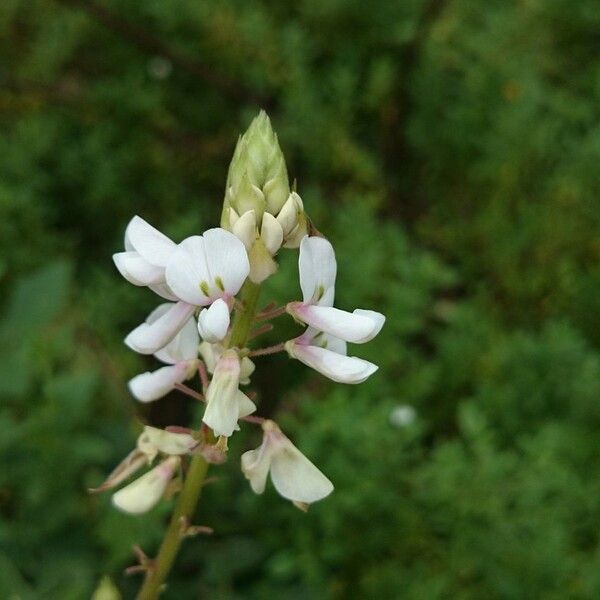
Known as Lindheimer's Tick-trefoil, this elegant member of the pea family is a master of the "hitchhike" method of seed dispersal. Named after Ferdinand Lindheimer, the legendary "Father of Texas Botany," this plant is a staple of rugged, rocky landscapes in the Southern United States and Mexico. While it looks delicate with its lavender blooms, it is a hardy survivor that plays a vital role in supporting local butterfly populations.
🔍 How to Identify
- 🍃 Trifoliate Leaves: The foliage consists of three-parted leaves (clover-like) that are often covered in fine, velvety hairs, giving them a soft, grayish-green appearance.
- 🌸 Pea-like Blooms: It produces tall, slender stalks of small, butterfly-shaped flowers that range from pale pink to deep lavender or purple.
- 🔗 Jointed Pods: The seed pods (called loments) are flat and divided into segments. These segments are covered in microscopic hooked hairs that act like natural Velcro, sticking to fur, feathers, and hiking gear.
🏡 In Your Garden
- 🦋 Butterfly Nursery: This is a high-value plant for wildlife; it serves as a critical larval host for the Long-tailed Skipper butterfly and the Hoary Edge skipper.
- 🏜️ Limestone Lover: In a garden setting, it thrives in well-drained, rocky, or limestone-heavy soils. It is exceptionally drought-tolerant once established, making it a "plant it and forget it" choice for xeriscaping or wild meadow zones.
- 🧺 Strategic Planting: Because of its "sticky" seeds, it is best planted away from high-traffic paths or areas where children and long-haired pets play, unless you enjoy picking seeds out of fabric and fur!
⚠️ Safety & Toxicity
- ✅ Non-Toxic: Lindheimer's Tick-trefoil is generally considered non-toxic to humans, cats, dogs, and horses. It is often grazed by deer and other wild herbivores without issue.
- 🧤 Skin Sensitivity: While not poisonous, the fine hairs on the stems and seed pods can occasionally cause very mild mechanical irritation (a "scratchy" feeling) on sensitive skin if handled roughly.
✨ Fun Fact
The genus name Desmodium comes from the Greek word "desmos," meaning a bond or chain. This refers to the way the seed pods are joined together in a chain-like string, which breaks apart into individual sticky segments when brushed against by an animal.

Detailed Care Instructions
To grow Desmodium lindheimeri plant, you can follow these steps:
- Choose a suitable location: Desmodium lindheimeri prefers full sun to partial shade. Select a location in your garden or outdoor space that receives at least six hours of direct sunlight per day.
- Prepare the soil: Ensure the soil is well-draining and loose. If the soil is heavy or compacted, add organic matter such as compost or well-rotted manure to improve its fertility and drainage. Desmodium lindheimeri can tolerate a wide range of soil types but prefers slightly acidic to neutral pH.
- Planting: Dig a hole in the prepared soil that is slightly larger than the container your plant is currently in. Gently remove the plant from its container, loosen the roots, and place it in the hole. Ensure the top of the root ball is level with or slightly above the surrounding soil.
- Watering: Water the newly planted Desmodium lindheimeri thoroughly, ensuring the soil is evenly moist. Afterward, water regularly to keep the soil moderately moist but not waterlogged. Adjust watering frequency based on the weather conditions and rainfall in your area.
- Mulching: Apply a layer of organic mulch around the base of the plant, leaving a few inches of space around the stem. Mulch helps to retain moisture, suppress weed growth, and regulate soil temperature.
- Fertilizing: Desmodium lindheimeri generally doesn't require heavy fertilization. However, you can apply a balanced, slow-release fertilizer in early spring or use a diluted liquid fertilizer during the growing season to promote healthy growth.
- Pruning: Prune the plant lightly to maintain its desired shape and size. Remove any dead, damaged, or diseased branches as they occur. Pruning can also help to promote bushier growth.
- Pest and disease control: Desmodium lindheimeri is relatively resistant to most pests and diseases. However, keep an eye out for common garden pests like aphids or spider mites. If necessary, treat affected plants with an organic insecticide or use insecticidal soap.
- Propagation: Desmodium lindheimeri can be propagated by collecting and sowing seeds in early spring. Alternatively, you can divide established clumps in early spring or fall.
- Winter care: In areas with cold winters, Desmodium lindheimeri may die back to the ground. Mulch the base of the plant in late fall to protect the root system from frost. In spring, remove the mulch and new growth will emerge.
Following these steps should help you successfully grow Desmodium lindheimeri, also known as Lindheimer's Tickclover, in your garden or outdoor space.

Place in a bright room that is sun drenched almost all day. Or directly in a south-facing window.

Desmodium Lindheimeri is a type of plant that requires regular watering in order to thrive. When you are watering this plant, it is important to make sure that you are using water that is clean and free from any harmful chemicals or contaminants.
One way to water Desmodium Lindheimeri is to use a watering can or hose with a gentle setting. You should aim to water the plant evenly, making sure that the water penetrates the soil and reaches the roots. Be careful not to overwater the plant, as this can lead to root rot and other issues.
Another option for watering Desmodium Lindheimeri is to use a drip irrigation system. This can be a more efficient and effective way to water the plant, as it allows the water to slowly seep into the soil over time. This can also help to prevent water runoff and reduce the risk of overwatering.
Overall, the key to watering Desmodium Lindheimeri is to be consistent and mindful of the plant's needs. By providing it with the right amount of water and care, you can help it to grow and thrive over time.
To fertilize the Desmodium Lindheimeri plant, apply a balanced fertilizer with a ratio of 10-10-10 or 20-20-20 once a month during the growing season, which is typically from spring to early fall. It is important not to over-fertilize the plant, as this can cause root burn and damage. Before applying fertilizer, water the plant thoroughly and then apply the fertilizer to the soil around the base of the plant. Water again after fertilizing to help the nutrients absorb into the soil.
Desmodium Lindheimeri is a plant that thrives in well-draining soil, with good water retention capacity but not too compact. The soil should be enriched with organic matter, such as compost, to improve its fertility and ability to hold moisture. It prefers slightly acidic to neutral soil pH levels between 6.0 and 7.0. It is important to avoid water-logging, as this can cause root rot and other issues. The plant also benefits from periodic fertilization with a balanced blend of nutrients, ideally applied during the active growing season. Overall, a loose and fertile soil mixture with good drainage properties is ideal for promoting healthy growth and development of Desmodium Lindheimeri.
Desmodium Lindheimeri is a plant that can be propagated through division. To do this, first dig up the mature plant and carefully separate the root ball into multiple sections. Each section should contain a portion of the root system and stem. Replant each section in a prepared hole with well-draining soil and water thoroughly. Keep the plants well-watered and monitor for any signs of stress until they establish themselves in their new location. Another method of propagation is by taking stem cuttings. Cut a stem with a sharp, clean blade and remove the lower leaves. Dip the cut end into rooting hormone and plant it into a soilless mix. Keep the mix moist and in a bright, warm location until roots develop. Then transplant the cutting into a larger container or into the ground.








