Plant Overview
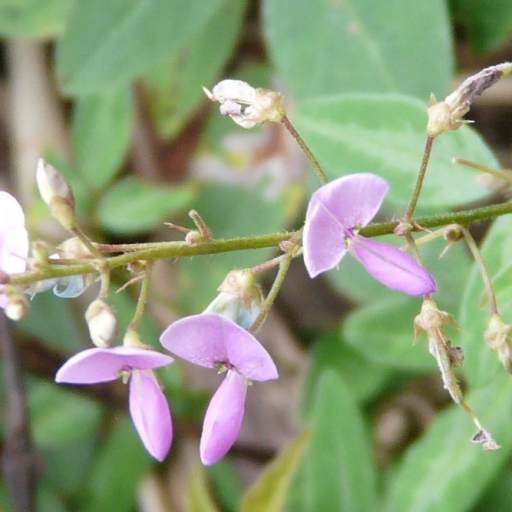
Often called the Panicled Tick-trefoil, this native North American wildflower is a master of the "hitchhiking" strategy. If you’ve ever returned from a late-summer hike only to find dozens of small, flat green triangles clinging stubbornly to your socks or your dog's fur, you have met this plant. While some gardeners consider it a weed, it is actually a vital nitrogen-fixer that supports a massive variety of local wildlife.
🔍 How to Identify
- 🌿 The Foliage: Look for "trifoliate" leaves, meaning they grow in groups of three. The leaflets are narrow, elongated, and have a slightly rough, sandpaper-like texture.
- 🌸 The Flowers: In mid-to-late summer, it produces delicate, pea-like blossoms that range from pale pink to deep lavender. These grow on a tall, branching "panicle" (a loose flower cluster) that gives the plant its name.
- 🪝 The Seed Pods: Its most famous feature is the "loment." These are flat seed pods divided into several triangular segments. They are covered in microscopic hooked hairs that act like natural Velcro.
🏡 In Your Garden
- 🌱 Soil Enrichment: As a member of the legume family, this plant has a symbiotic relationship with soil bacteria to "fix" nitrogen. It actually leaves the soil healthier than it found it, making it a great choice for meadow restoration.
- 🦋 Wildlife Magnet: It is a high-value plant for pollinators. It serves as a primary host plant for the caterpillars of the Eastern Tailed-Blue and Hoary Edge butterflies, and its protein-rich seeds are a favorite for wild turkeys and quail.
⚠️ Safety & Toxicity
- ✅ Status: Generally considered non-toxic to humans, dogs, cats, and livestock.
- 🐕 The Fur Factor: While not poisonous, it is a "nuisance" plant for pet owners. The seed pods can become deeply embedded in long-haired breeds, sometimes requiring significant grooming or even scissors to remove.
✨ Fun Fact
The Desmodium genus was one of the primary inspirations for the invention of Velcro. Swiss engineer George de Mestral noticed how similar "burr" type seeds stuck to his dog’s fur and his own wool trousers, leading him to study the microscopic hooks under a microscope!

Detailed Care Instructions
| Lighting | Part Sun |
| Difficulty | Medium |
| Hibernation | Cold Period |
| Hardiness Zones | 4 - 10 |
To grow Desmodium Paniculatum, also known as Tick Trefoil or Panicled Leaf, follow these steps:
- Seeds: Obtain Desmodium Paniculatum seeds from a reputable nursery or seed supplier. Alternatively, you can collect seeds from mature plants if they are available in your area.
- Soil preparation: Choose a well-draining soil mix for your plant. Desmodium Paniculatum prefers slightly acidic to neutral soil. Mix organic matter such as compost or aged manure into the soil to improve its fertility and structure.
- Planting: Start by soaking the seeds in warm water for 24 hours to enhance germination. Sow the seeds directly into the garden in spring when the soil has warmed up, or you can begin them early indoors. Plant the seeds about 1/4 inch deep in the soil and space them 6-12 inches apart.
- Sunlight: Desmodium Paniculatum thrives in full sun but can tolerate partial shade. Ensure that it receives at least 6-8 hours of sunlight per day.
- Watering: Keep the soil consistently moist throughout the growing season. However, avoid overwatering, as excessive moisture may lead to root rot. Provide water when the top inch of soil feels dry.
- Fertilization: Apply a balanced, slow-release fertilizer or organic compost to the soil before planting. Feed the plant with a general-purpose liquid fertilizer every 2-4 weeks during the growing season. Follow the manufacturer's instructions on the fertilizer package for the correct dosage.
- Support: As the Desmodium Paniculatum plants begin to grow, consider providing support such as stakes or trellises to help them stand upright. This is especially important if you're growing them as ornamental vines.
- Pruning: Prune the plants regularly to maintain their shape and control their growth. Pinch off the growing tips to encourage bushier growth, if desired. Remove any dead, damaged, or diseased parts as necessary.
- Pests and Diseases: Keep an eye out for common pests such as aphids, spider mites, or whiteflies. Treat them with insecticidal soap or neem oil, following the instructions on the product label. Desmodium Paniculatum is generally resistant to diseases, but improper watering or poor drainage can lead to root rot.
- Cold protection: If you live in a region with cold winters, provide winter protection to the plant. Mulch around the base of the plant to insulate the roots and protect them from freezing temperatures.
By following these steps and providing proper care, you should be able to successfully grow Desmodium Paniculatum in your garden.

Place in a bright room that is sun drenched almost all day. Or directly in a south-facing window.

Desmodium Paniculatum is a type of plant that requires regular and consistent watering to thrive. When it comes to watering, it's important to make sure that the soil is evenly moist, but not overly saturated. Overwatering can lead to root rot, which can cause the plant to die.
To water Desmodium Paniculatum, start by checking the soil to determine if it's dry. Stick your finger into the soil up to the first knuckle; if the soil feels dry, it's time to water. If the soil is still moist, wait a day or two before checking again.
When watering, use a watering can or hose with a spray nozzle to apply water evenly over the soil. Avoid getting water on the leaves or flowers, as this can encourage fungal growth and other plant diseases. Instead, aim the water at the base of the plant, allowing it to soak into the soil.
Water Desmodium Paniculatum deeply, allowing the soil to absorb the water until it feels evenly moist. Then, allow the soil to dry out slightly before watering again. The frequency of watering will depend on the environment your plant is in, such as temperature, sunlight, and humidity.
Overall, providing consistent and well-timed watering is key to keeping your Desmodium Paniculatum healthy and thriving.
To fertilize this plant, use a balanced fertilizer with equal parts nitrogen, phosphorus, and potassium. Apply the fertilizer during the plant's growing season, which is in the spring and summer months. Use a slow-release fertilizer for best results, and be sure to follow the instructions on the package carefully. Avoid over-fertilizing, as this can cause damage to the plant.
Desmodium Paniculatum plant would benefit from the use of a well-draining soil for optimal growth. The soil should be rich in nutrients and have a pH between 6.0-7.5. It is recommended to use a mix of topsoil, compost, and sand to improve soil drainage and provide adequate moisture retention. The soil should also be free of any contaminants or impurities that may harm the plant. Additionally, periodic fertilization with a balanced fertilizer can help maintain soil fertility and improve plant growth.
Desmodium Paniculatum is a plant species that belongs to the family Fabaceae. It is a perennial plant that can grow up to 2.5 meters in height and has a woody stem. Desmodium Paniculatum reproduces through its seeds, but it can also be propagated through stem cuttings.
Here are the steps to propagate Desmodium Paniculatum through stem cuttings:
- Choose a healthy stem for cutting. The stem should be mature and firm.
- Use a sharp, clean cutting tool to cut a stem that is around 10-15cm long.
- Remove the leaves from the bottom half of the stem. The top half should have 2-3 leaves.
- Dip the end of the stem in rooting hormone powder. This will help the stem to develop roots.
- Plant the stem in a pot filled with a well-draining potting mix. Make a hole in the soil using a pencil and insert the stem. Gently press the soil around the stem to ensure that it is firmly in place.
- Water the stem cutting thoroughly. Keep the soil moist but not soaking wet.
- Place the pot in a warm, bright location but away from direct sunlight.
- Wait until the stem develops roots. You can check this by gently tugging on the stem. If it resists, then it has developed roots.
- Once the stem has developed roots, you can transplant it into a larger pot or to its final location in the garden.
By following these steps, you can successfully propagate Desmodium Paniculatum without using its common names.








