Plant Overview
Often called "Blue Dicks" or "Wild Hyacinth," this resilient wildflower is a herald of spring across the meadows and hillsides of Western North America. It gets its scientific name capitatum from the Latin word for "head," referring to the way its flowers cluster together in a tight, crown-like bundle. Historically, this plant was more than just a pretty face; it was a vital "earth nut" or food source for many Indigenous peoples.
🔍 How to Identify
- 🌸 Flower Clusters: The most distinct feature is the "capitate" head—a tight bundle of 2 to 15 funnel-shaped flowers sitting atop a single, leafless stem.
- 🎨 Color Palette: The blooms range from a soft lavender to a deep, striking violet-blue, often with small, white internal structures called staminodes that look like tiny petals.
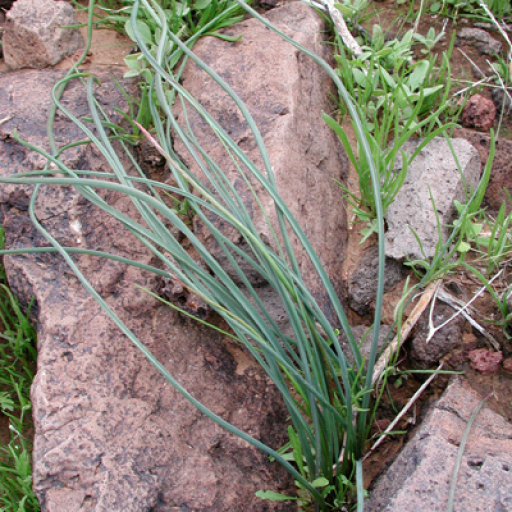
- 🌿 The Foliage: Before the flowers appear, look for a few long, narrow, grass-like leaves at the base. These often wither away by the time the plant reaches full bloom.
🏡 In Your Garden
- 🌱 Dormancy Strategy: This plant grows from a "corm" (a bulb-like underground stem). It thrives during the wet winter and spring but must be allowed to go completely dormant and dry during the summer. If you keep the soil wet in July, the corms will likely rot.
- 🦋 Pollinator Magnet: Because the flowers are rich in nectar and have a sturdy "landing pad" shape, they are a favorite for butterflies and native bees. It is an excellent choice for a drought-tolerant "pollinator pocket" in your landscape.
⚠️ Safety & Toxicity
- ✅ Status: Generally considered non-toxic to humans and common livestock.
- 🐾 Pet Note: While not listed as a primary toxin for cats or dogs, ingestion of any bulbous plant can cause mild stomach upset or vomiting. It is best kept out of reach of curious chewers.
- 🧤 Skin Safety: Unlike some of its relatives, it does not typically cause skin irritation, making it safe to handle while gardening.
✨ Fun Fact
Native Americans, including the Maidu and Pomo tribes, traditionally harvested the corms of the Blue Dick. They were eaten raw, boiled, or roasted, and were said to have a sweet, nutty flavor similar to a potato or a chestnut. Over-harvesting was avoided through "corm-slapping"—a technique of hitting the ground to spread the small "cormlets" and ensure a bigger harvest the following year!

Detailed Care Instructions
To grow Dichelostemma Capitatum (also known as Blue Dicks or Wild Hyacinth), follow these steps:
- Select a suitable planting location: Dichelostemma Capitatum prefers full sun to partial shade. Choose a spot with well-draining soil that is rich in organic matter.
- Prepare the soil: Work the soil by cultivating it to a depth of about 6-8 inches, breaking up any larger clumps and removing any rocks or debris. Add compost or well-rotted manure to improve soil fertility.
- Sow the seeds: Sow the seeds in the prepared soil during the fall or early winter. Plant them at a depth of about 2-3 inches and space them approximately 4-6 inches apart. If you are using seedlings, space them further apart to allow for their growth.
- Watering: Water the newly planted seeds thoroughly and keep the soil consistently moist, but not waterlogged. Irrigate sparingly during the dormant period in summer.
- Mulching: Apply a layer of organic mulch around the plants to help retain moisture, suppress weed growth, and provide insulation during colder months.
- Fertilizer: Dichelostemma Capitatum typically doesn't require additional fertilizer. However, if your soil is poor, you can apply a balanced slow-release fertilizer according to the package instructions in early spring.
- Maintenance: Remove any weeds that compete with the plant for nutrients and space. Watch out for pests and diseases, although they are not usually major issues for this plant.
- Propagation: Dichelostemma Capitatum can also be propagated by division. Divide the bulbs in late summer or early fall, ensuring that each division has a healthy bulb and some roots attached.
- Blooming and seed collection: Dichelostemma Capitatum usually blooms in late spring or early summer. After blooming, seed capsules will develop. Allow them to mature and collect the seeds for future planting.
Remember, Dichelostemma Capitatum is a native wildflower, so it may be protected or regulated in some areas. Always check with your local regulations before collecting or growing these plants.

Place in a bright room that is sun drenched almost all day. Or directly in a south-facing window.

Dichelostemma capitatum is a plant that requires regular watering to thrive. The best way to water this plant is to keep the soil consistently moist but not waterlogged. One way to achieve this is through regular watering with a watering can or hose. It is important to water the plant at the base of the stem rather than from the top, as watering from above can cause the flowers to rot. Alternatively, you can set up a drip irrigation system to ensure the plant is receiving a consistent supply of water. It is important to monitor the soil moisture levels regularly to ensure that the plant is not getting too much or too little water. In addition, Dichelostemma capitatum prefers well-draining soil, so be sure to choose a pot with drainage holes and fill it with a well-draining potting mix.
To properly fertilize this plant, it is recommended to use a balanced, slow-release fertilizer once a year in the early spring. Choose a fertilizer with an N-P-K ratio of around 10-10-10, or one specifically labeled for use on flowering bulbs. Apply the fertilizer according to the manufacturer's instructions, taking care not to over-fertilize as this can lead to burned roots or foliage. Water the plant well after fertilizing to ensure the nutrients can reach the roots.
Dichelostemma capitatum plant prefers well-draining sandy or loamy soils. The pH of the soil should be slightly acidic, with a range of 6.0-7.0. The plant can also tolerate slightly alkaline soils. Fertile soils with sufficient organic matter content are preferred. The plant can tolerate dry, drought-like conditions and thrives in full sun to partial shade. Well-draining soils prevent the roots from becoming waterlogged, which can cause root rot. It's important to amend heavy clay soils with amendments such as compost or sand to improve drainage. So, the soil should be well-draining, slightly acidic, fertile, and have a sufficient amount of organic matter content.
To propagate this plant, you will need to carefully separate the offsets or small bulbs that form around the base of the parent plant. Using a sterilized knife or scissors, carefully remove the offsets and plant them in a well-draining soil mix with good moisture retention.
It is important to ensure that the soil is kept moist but not waterlogged, and that the young plants are kept in a location with indirect sunlight until they are established.
You can also propagate Dichelostemma Capitatum by sowing the seeds in late winter or early spring. Sow the seeds in a seed-starter tray or small pots filled with a well-draining soil mix and cover the seeds lightly with soil.
Keep the soil moist and warm until the seeds germinate, which can take several weeks. Once the seedlings have several leaves, transplant them into larger pots or into a prepared garden bed with well-draining soil and plenty of sunlight.
With proper care and attention, propagating Dichelostemma Capitatum can be a rewarding experience that yields many new plants to enjoy.








