Plant Overview
Known as the Soft Tree Fern or the Tasmanian Tree Fern, Dicksonia antarctica looks like a prehistoric survivor straight out of a dinosaur movie. Native to the damp gullies of Australia and Tasmania, this slow-growing giant is prized for its architectural beauty, turning any shaded corner into a lush, temperate rainforest sanctuary.
🔍 How to Identify
- 🌳 The Trunk: It features a thick, dark brown, fibrous trunk. Interestingly, this isn't true wood—it’s a vertical rhizome encased in a dense mass of aerial roots.
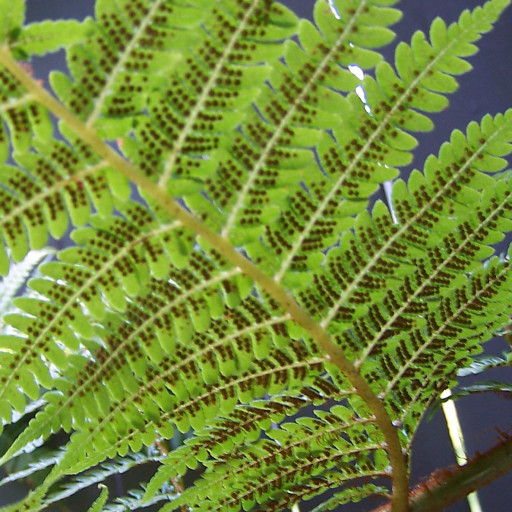
- 🌿 The Fronds: Massive, bright green, arching leaves emerge from the top. These fronds can reach up to 4 meters in length in the wild, creating a spectacular canopy.
- 🧸 The Crown: The "heart" or center of the plant is covered in soft, reddish-brown velvety hairs. This is where the new fronds (croziers) uncurl in the spring.
🏡 In Your Garden
- 💧 Watering the Trunk: This fern is unique because it drinks through its "stem." In dry or hot weather, you must water the fibrous trunk directly to keep the aerial roots hydrated, rather than just watering the soil.
- 🌥️ The Deep Shade Rule: It thrives in dappled light or full shade. While it can handle some morning sun, direct afternoon rays will quickly scorch the delicate fronds and dry out the crown.
- ❄️ Winter Protection: While surprisingly hardy for a tropical-looking plant, the crown is its weakest point. In freezing climates, gardeners often "plug" the top with straw or fleece to prevent ice from damaging the emerging buds.
⚠️ Safety & Toxicity
- ✅ Safe Status: Dicksonia antarctica is considered non-toxic to humans, cats, and dogs.
- 🧤 Skin Sensitivity: The fine, brownish hairs on the trunk and new fronds can occasionally cause mild skin irritation or itchiness for people with sensitive skin during pruning or handling.
✨ Fun Fact
These ferns are true "living fossils." They have remained largely unchanged for over 200 million years, meaning they were a primary food source and shade provider for dinosaurs during the Jurassic period!

Detailed Care Instructions
| Humidity | High |
| Lighting | Part Sun |
| Difficulty | Medium |
| Hardiness Zones | 9 - 11 |
Growing Dicksonia Antarctica plants, commonly known as tree ferns, requires specific conditions to thrive. Here are some steps to help you successfully grow this plant:
- Climate and location: Dicksonia Antarctica plants are native to cool, moist, and shaded environments. They prefer a temperate climate with mild summers and cool winters. If you do not have suitable natural conditions, consider creating a microclimate, such as in a shaded garden or under a canopy of taller trees.
- Soil: Tree ferns prefer well-draining and organic-rich soil with a slightly acidic pH. Amend the soil with compost or well-decomposed leaf litter to improve moisture retention and nutrient levels.
- Watering: Tree ferns require consistent moisture throughout the year. Water regularly to keep the soil evenly moist but not waterlogged. Avoid letting the soil dry out completely, especially during hot or dry periods.
- Mulching: Applying a layer of organic mulch, such as leaf litter or bark chips, around the base of the plant can help retain moisture, regulate soil temperature, and protect the root system.
- Shade: Dicksonia Antarctica plants thrive in a shaded environment where they receive filtered or dappled sunlight for a few hours a day. Avoid direct sunlight, especially during the hottest hours.
- Protection from frost: During colder months or in areas prone to frost, protect the delicate fronds of the tree fern by covering them with hessian or straw. Wrap the trunk with fleece or burlap to insulate the plant.
- Fertilization: Feed the tree ferns with a slow-release fertilizer in spring and summer to provide necessary nutrients. Follow the manufacturer's instructions for application rates.
- Pruning: Trim away any damaged or dead fronds to maintain the plant's appearance and overall health. Avoid pruning healthy fronds unless necessary.
- Propagation: Dicksonia Antarctica plants can be propagated by spores, although this method requires specific conditions and expertise. It is often easier to purchase young tree ferns from a reputable nursery.
- Patience: Tree ferns are slow-growing plants, so be patient while waiting for them to establish and grow. It may take several years before significant growth is observed.
Remember that local conditions and climate will play a significant role in the success of growing Dicksonia Antarctica plants. Consulting with local horticultural experts or experienced gardeners in your area can provide valuable insights and advice specific to your location.

Place in a window with dappled sun or a spot in the middle of a room. Or directly in a window facing west or east.

To water this plant, it is important to keep the soil moist but not waterlogged. This can be achieved by watering deeply and allowing the soil to dry slightly between waterings. It is important to avoid getting water on the fronds as this can lead to fungal diseases. One way to achieve this is by watering the soil directly at the base of the plant rather than showering the entire plant with water. Additionally, placing a layer of mulch around the base of the plant can help to maintain moisture levels in the soil.
- Use a balanced fertilizer with equal parts nitrogen, phosphorus, and potassium.
- Apply the fertilizer to the soil surrounding the plant in early spring, just as new growth begins to emerge.
- Water the plant well after fertilizing to encourage absorption.
- Repeat the fertilizer application every six weeks during the growing season.
- Do not over-fertilize, as this can harm the plant and cause burns on the fronds.
- Monitor the plant for signs of nutrient deficiency or nutrient burn, such as yellowing or browning of the fronds.
The ideal soil for this plant is composed of a mixture of organic matter and well-draining material, such as coarse sand or perlite. This will provide the plant with the necessary nutrients and moisture retention while preventing water logging or compaction. The soil should also have a slightly acidic pH to mimic the plant's natural habitat. It is important to avoid using fertilizer or other chemical additives, as this can damage the delicate roots of the plant.
Dicksonia Antarctica is a popular fern species commonly used by gardeners. It can be propagated through spores and offsets. Propagation from spores requires a lot of patience and time, so most gardeners prefer to propagate through offsets.
To propagate through offsets, carefully dig out the plant's base in early spring or late autumn. Gently divide the roots by hand or use a sharp knife to tease apart the offsets. Each offset should have roots and a small portion of the trunk.
Plant each offset into its own pot with a light mix of potting soil and compost, and water it thoroughly. Place the pots in a warm and bright spot, but avoid direct sunlight. Keep the soil moist, but make sure it drains well. After a few months, the offsets should start growing new fronds.
Once the new fronds are developed, it is time to transplant the plant to its permanent place in the garden. Choose a sheltered spot with partial shade and well-drained soil. Dig a hole slightly larger than the root ball, and mix compost and soil. Plant the fern, making sure the top of the root ball is level with the soil surface. Cover the roots with soil, and tamp down gently. Water well and mulch around the base of the plant to retain moisture.
With proper care and maintenance, the propagated Dicksonia Antarctica fern should grow into a beautiful and healthy plant.
Common pests of the australian tree fern include Mealybugs, spider mites, aphids. Make a habit of checking your australian tree fern frequently for pests so that any infestations can be caught and managed early.








