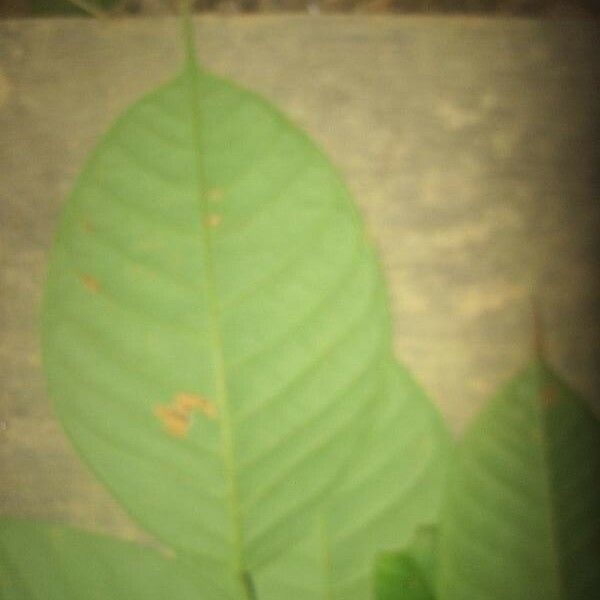
Plant Overview
Known as the "Angelique" or "Basralocus," this South American giant is the unsung hero of the Amazonian and Guianan rainforests. It is legendary among woodworkers and ecologists alike for its incredible resilience, often outlasting man-made materials in the harshest underwater environments. In the wild, it acts as a cornerstone of the canopy, providing shelter and stability to the complex tropical ecosystem.
🔍 How to Identify
- 🍃 Pinnate Foliage: It features large, compound leaves with alternating leaflets that create a feathery, elegant silhouette against the sky.
- 🌳 Towering Stature: In its native habitat, this tree is an "emergent," meaning it often pokes its head above the main forest canopy, reaching heights of up to 150 feet.
- 🪵 Fibrous Bark: The trunk is typically straight and cylindrical, covered in grayish-brown bark that can appear shaggy or vertically fissured on older specimens.
🏡 In Your Garden & Ecology
- 🌧️ Rainforest Requirements: While rarely grown as a domestic garden plant due to its massive size, it requires deep, acidic, and well-draining soils paired with high tropical humidity.
- 🏗️ Structural Integrity: It is famous for "not budging." It develops a deep, powerful root system that makes it wind-resistant but also means it cannot be moved once it begins to establish its taproot.
- 🦜 Biodiversity Hub: In the wild, its high branches serve as vital nesting sites for large tropical birds and specialized epiphytes (plants that grow on other plants).
⚠️ Safety & Toxicity
- ✅ Generally Safe: The living Dicorynia guianensis tree is not known to be toxic to humans, dogs, or cats if touched or encountered in nature.
- 🪚 Woodworker's Irritant: If you are handling the timber, be cautious. The wood contains high levels of silica, and the fine dust created during sanding can cause respiratory irritation or skin "splinters" that are difficult to remove.
✨ Fun Fact
Because its wood is naturally saturated with silica, it is virtually "waterproof" against biological threats. It is one of the few woods in the world that is naturally resistant to marine borers (shipworms), making it the gold-standard material for building canal locks and sea defenses!

Detailed Care Instructions
Dicorynia guianensis, commonly known as the "Brazilian walnut" or "Guiana walnut," is a tree species native to the tropical rainforests of South America. Cultivating this species can be challenging due to its native habitat's specific requirements. Here are some general steps to help you grow Dicorynia guianensis:
1. Understand the Plant's Requirements:
- Climate: This species thrives in tropical climates with high humidity and rainfall. It prefers temperatures between 20-30°C (68-86°F).
- Soil: Well-draining, fertile soil is essential. Loamy or sandy soils enriched with organic matter are ideal. Acidic to neutral pH (around 5.5 to 7.0) is preferable.
2. Propagation:
- Seeds: The most common method to propagate Dicorynia guianensis is through seeds. Ensure the seeds are fresh and viable.
- Pre-treatment: Soak seeds in water for 24 hours before planting to improve germination rates.
- Sowing: Plant seeds in a well-draining potting mix or directly in the ground if you live in an appropriate climate. Ensure they are planted at a depth of about 2-3 times their size.
3. Location:
- Choose a location with full sunlight to partial shade. The plant can tolerate some shade, especially when young but prefers bright, indirect light.
4. Watering:
- Keep the soil consistently moist but not waterlogged. During the growing season, regular watering will be crucial, while you should reduce watering in the dormant winter months.
5. Fertilization:
- Apply a balanced fertilizer during the growing season to promote healthy growth. Organic compost can also be beneficial for enriching the soil.
6. Spacing:
- If planting multiple trees, space them adequately (at least 10 meters apart) to ensure they have room to grow.
7. Pest and Disease Management:
- Monitor the plants for pests like aphids or caterpillars, and use organic pest control methods as needed. Ensure good air circulation to prevent fungal diseases.
8. Mulching:
- Apply a layer of organic mulch around the base of the plant to retain moisture, suppress weeds, and improve soil quality as it decomposes.
9. Pruning:
- Prune the plant to remove any dead or diseased branches and to shape the tree as it grows. This helps improve airflow and light penetration.
10. Patience:
- Keep in mind that Dicorynia guianensis can take several years to mature, especially in non-ideal conditions. Be patient and provide consistent care.
Additional Notes:
- Legal Considerations: Before planting, ensure it’s legal to cultivate Dicorynia guianensis in your area, as some species may have regulations regarding their planting and harvesting.
- If you’re not in a tropical region, consider whether you can mimic the tropical environment required for its growth using techniques like greenhouse cultivation.
Growing Dicorynia guianensis can be rewarding but requires care and attention to the environmental conditions it naturally prefers.

Place in a bright room that is sun drenched almost all day. Or directly in a south-facing window.

Dicorynia guianensis is a tropical hardwood tree native to the rainforests of South America. Proper watering is essential for its growth, especially in its early stages. Here’s how to effectively water this plant:
1. Soil Type: Ensure that the plant is planted in well-draining soil. This can be a mix of loamy soil and organic matter. It helps prevent waterlogging, which can lead to root rot.
2. Moisture Monitoring: Before watering, check the moisture level of the soil. Insert your finger into the soil about an inch deep. If it feels dry, it’s time to water. If it’s still moist, wait a few days before checking again.
3. Watering Technique: When watering, do so slowly and evenly around the base of the plant. This encourages deep root growth and ensures that the water penetrates the soil rather than running off.
4. Frequency: During the growing season (generally spring and summer), this plant may need more frequent watering, especially in warmer climates. Reduce the frequency during the dormant season (fall and winter) as the plant requires less water.
5. Amount of Water: Provide enough water to moisten the entire root zone without creating standing water. A general guide is to apply approximately 1-2 inches of water per week, either through rainfall or supplemental watering.
6. Humidity Levels: Since this species thrives in humid environments, consider misting the leaves occasionally or placing a humidity tray nearby to increase moisture in the air, especially if grown indoors or in dry conditions.
7. Observation: Keep an eye on the plant for signs of under-watering (e.g., drooping leaves, browning tips) or over-watering (e.g., yellowing leaves, moldy soil). Adjust your watering schedule accordingly.
By following these guidelines, you can ensure that the water needs of Dicorynia guianensis are met, promoting healthy growth and vibrant foliage.
To fertilize Dicorynia guianensis effectively, follow these guidelines:
- Timing: Fertilize during the growing season, typically in spring and early summer, when the plant is actively growing.
- Type of Fertilizer: Use a balanced, slow-release fertilizer with an N-P-K ratio of 10-10-10 or similar. Organic options such as composted manure or fish emulsion can also be beneficial.
- Application Rate: Follow the instructions on the fertilizer package for dosage. A general guideline is to apply 1 to 2 tablespoons of fertilizer per foot of plant height, but adjust based on the specific product and plant’s needs.
- Method of Application:
- If using granular fertilizer, sprinkle it evenly around the base of the plant, avoiding direct contact with the stems.
- Water the area thoroughly to help dissolve the granules and carry nutrients to the roots.
- If using liquid fertilizer, dilute as directed and apply it directly to the soil around the root zone, again avoiding the stems.
- If using granular fertilizer, sprinkle it evenly around the base of the plant, avoiding direct contact with the stems.
- Frequency: Reapply every 4 to 6 weeks throughout the growing season. If using a slow-release fertilizer, you may only need to apply it once or twice during this period, depending on the product's longevity.
- Monitoring: Observe the plant for signs of nutrient deficiency or excess, such as yellowing leaves or stunted growth, and adjust your fertilization practices accordingly.
- Soil Health: Incorporate organic matter, like well-rotted compost, into the soil at the beginning of the growing season to enhance nutrient availability and improve soil structure.
By following these guidelines, you can ensure that Dicorynia guianensis receives the proper nutrients for healthy growth.
Dicorynia guianensis, a tree native to tropical rainforests, prefers well-draining, fertile soils that are rich in organic matter. The following soil characteristics are essential for optimal growth:
- Texture: A loamy or sandy loam texture is ideal, as it allows for good aeration and drainage while retaining adequate moisture.
- Soil pH: The plant thrives in slightly acidic to neutral pH levels, typically around 5.5 to 7.0. Conducting a soil test can help determine the current pH and necessary amendments.
- Organic Matter: Incorporating organic matter, such as compost or well-rotted leaf litter, enhances soil fertility, water retention, and microbial activity, contributing to a healthy growing environment.
- Nutrient Content: A nutrient-rich soil with sufficient levels of nitrogen, phosphorus, and potassium is crucial for growth. Consider using a balanced slow-release fertilizer if nutrient levels are low.
- Drainage: To avoid root rot and ensure healthy root development, the soil must have good drainage capabilities. If the site has heavy clay soils, incorporating sand or organic matter can improve drainage.
- Moisture Retention: While good drainage is important, the soil should also retain moisture without becoming waterlogged. Mulching around the base of the plant can help maintain moisture levels.
- Microbial Activity: A healthy microbial ecosystem is beneficial. Practices such as crop rotation, intercropping, and minimal tillage can promote a balanced microbial community in the soil.
By ensuring these soil conditions, the plant can thrive and develop effectively in its growing environment.
Dicorynia guianensis is a tropical tree species that can be propagated through various methods. Here are the details on how to propagate this specific plant:
1. Seed Propagation
- Seed Collection: Collect ripe seeds from mature pods. Ensure that seeds are harvested from healthy, parent trees to improve germination rates and genetic quality.
- Pre-Treatment: The seeds may benefit from scarification (scratching the seed coat) or soaking in water for 24 hours to enhance germination.
- Sowing: Plant seeds in well-draining, nutrient-rich soil, either in seed trays or directly in the ground. The soil should have good moisture retention yet be well-aerated.
- Conditions: Maintain a warm environment (approximately 25-30°C) with high humidity. Cover seeds lightly with soil and water gently to keep the substrate moist but not waterlogged.
- Germination: Keep the area shaded and monitor moisture. Germination may take several weeks.
2. Vegetative Propagation
- Cuttings: This method involves taking healthy stem cuttings.
- Selection: Choose semi-hardened wood cuttings that are about 15-20 cm long, taken from healthy, disease-free plants.
- Preparation: Make a clean cut just below a node and remove leaves from the lower half.
- Hormonal Treatment: Dip the cut end in rooting hormone to promote root development.
- Selection: Choose semi-hardened wood cuttings that are about 15-20 cm long, taken from healthy, disease-free plants.
- Planting: Plant the cuttings in a well-draining, sterile potting mix. Ensure that at least one node is buried in the soil.
- Care: Place the cuttings in a humid environment, such as under a plastic cover or in a propagation chamber, and ensure they receive indirect light.
- Rooting: Roots should develop within a few weeks, at which point they can be gradually acclimatized to normal growing conditions.
3. Layering
- Selection of Branch: Choose a healthy, flexible branch near the ground.
- Preparation: Wound the selected branch by making a small notch or removing a ring of bark, then apply rooting hormone.
- Burying: Bury the wounded section of the branch in soil while leaving the tip exposed. This can be done using a pot or by securing the branch with earth.
- Watering: Keep the buried section moist; roots should start to develop after a few months.
- Separation: Once roots are established, cut the branch from the parent plant and transplant it to its final location.
General Care
- Temperature and Humidity: Ensure a warm, humid environment for optimal growth.
- Watering: Regularly monitor soil moisture, avoiding both drought and overwatering.
- Light: Provide filtered sunlight or light shade during the initial growing phase.
Using these propagation methods, you can successfully grow Dicorynia guianensis from seeds or vegetative cuttings, ensuring you create ideal conditions for their development.








