Plant Overview
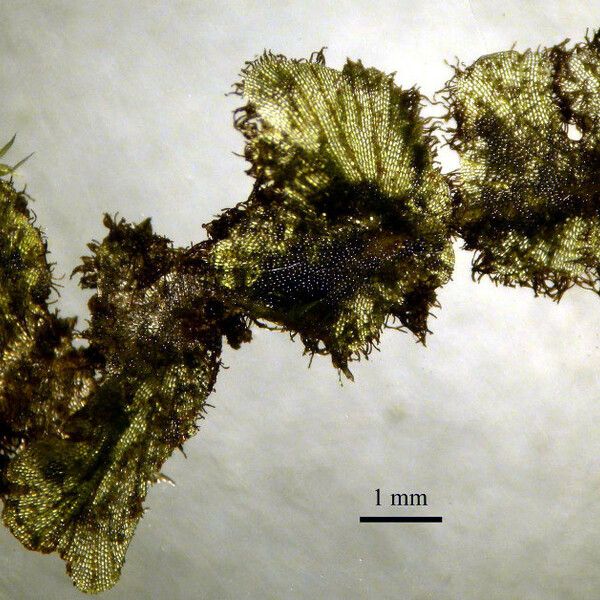
Often called the Tahitian Filmy Fern, this botanical jewel looks more like a patch of emerald-green coins than a traditional fern. Native to the deep, shaded rainforests of the Pacific Islands and Southeast Asia, its ultra-thin leaves are nearly translucent, creating a glowing effect when kissed by dappled light. It is a true specialist, evolving to thrive in the dampest "micro-jungles" where most other plants would succumb to rot.
🔍 How to Identify
- 🌿 Peltate Fronds: The leaves are shield-shaped or circular, roughly the size of a small coin, and typically lie completely flat against the surface they are growing on.
- 💎 Glass-like Texture: The fronds are famously "filmy"—only a single cell thick—making them appear delicate, semi-transparent, and deep bottle-green.
- 🧵 Creeping Rhizomes: It doesn't grow from a central pot; instead, it spreads via thin, dark, hair-like stems that "hug" tree trunks or damp rocks.
🏡 In Your Garden
- ☁️ Humidity is Vital: Because their leaves lack the protective waxy coating (cuticle) found on most plants, they cannot retain moisture on their own. They require 80-100% humidity at all times; outside of a closed terrarium or a high-end greenhouse, they will shrivel in minutes.
- 🌑 The Shadow Dweller: In nature, this fern hides in the deepest shadows of the forest floor or behind waterfalls. In a home setting, direct sunlight will "cook" the thin leaves almost instantly. It prefers soft, ambient light or very low-wattage LED grow lights.
⚠️ Safety & Toxicity
- ✅ Non-Toxic: Didymoglossum tahitense is generally considered safe and non-toxic to humans, cats, and dogs.
- 💧 Environmental Sensitivity: While not chemically dangerous, this plant is physically fragile. The primary "safety" concern is for the plant itself—handling the fronds with dry hands can damage the delicate cell structure.
✨ Fun Fact
Because their leaves are only one cell thick, these ferns don’t "breathe" exclusively through pores (stomata) like other plants. They are so thin that they can absorb water and minerals directly through the entire surface of their leaves!

Detailed Care Instructions

Place in a dark room with little light, like a dark bedroom or a spot far away from a window or directly in a north-facing window.

Water-loving plants flourish in wet or sloppy soil and near ponds. The extensive root system enables these plants to absorb plenty of water. The surface of the soil should be kept moist at all times. Place your pot in a container filled with water to guarantee that plants get enough water. If the ground becomes dry, it is recommended that you water it well. Plants in smaller pots will need to be watered more frequently. Water the soil in which the plant is standing thoroughly using a watering can.








