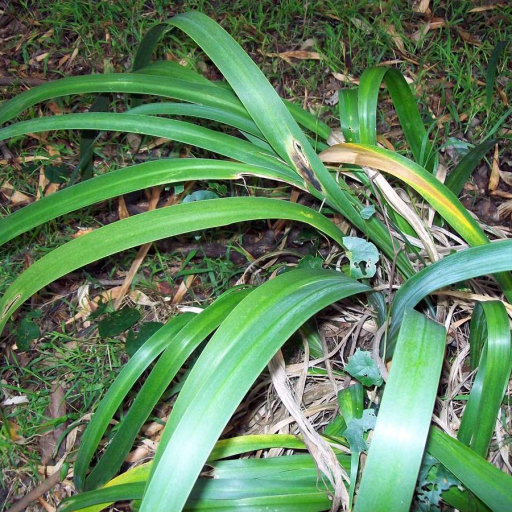
Plant Overview
Known as the "Lord Howe Wedding Lily," this plant is the grandest and rarest member of the Dietes family. Unlike its more common cousins found in every suburban driveway, this species is a majestic giant native only to the remote Lord Howe Island in the Tasman Sea. It brings a sophisticated, architectural flair to any landscape, looking like a cross between a tropical fan palm and a delicate woodland iris.
🔍 How to Identify
- 🌿 Towering Foliage: It features massive, sword-shaped leaves that can reach up to 2 meters (6 feet) in height, forming impressive, fanned-out clumps.
- 🌸 Orchid-like Blooms: The flowers are pure, snowy white with striking yellow-orange "nectar guides" at the base of the outer petals, resembling a wild orchid.
- 📏 Sturdy Stature: Unlike other Dietes species that can look "grassy," this variety is thick, robust, and maintains a very structured, upright shape.
🏡 In Your Garden
- 🏝️ Coastal Queen: Because it evolved on a windswept island, it is incredibly tolerant of salt spray and wind, making it the perfect choice for seaside gardens where other plants might wither.
- 💧 Moisture Balance: While it is surprisingly drought-tolerant once established, it prefers a bit more consistent moisture and richer soil than the common "Butterfly Iris" to keep its giant leaves looking lush.
- ☀️ Sun Seeker: To get those famous "wedding" blooms, it needs plenty of bright light. In shadier spots, it will grow beautiful foliage but may hide its flowers.
⚠️ Safety & Toxicity
- 🐾 Mildly Toxic: Like most members of the Iridaceae family, the rhizomes and leaves contain compounds that can cause stomach upset if eaten by curious dogs or cats.
- 👶 Child Safety: While not considered deadly, ingestion can lead to nausea or vomiting. It is best placed in a spot where toddlers won't be tempted to "sample" the greenery.
- 🧤 Skin Sensitivity: Some gardeners find the sap from broken leaves slightly irritating to the skin; wearing gloves during pruning is a smart move.
✨ Fun Fact
This plant is "endemic" to Lord Howe Island, meaning it grows naturally nowhere else on Earth. In its wild habitat, it clings to the mist-covered volcanic cliffs of Mount Gower, surviving in a prehistoric landscape that has remained unchanged for millions of years.

Detailed Care Instructions
Dietes robinsoniana, also known as the Fortnight Lily, is a beautiful perennial plant that can be grown easily in a variety of conditions. Here are some tips on how to grow Dietes robinsoniana successfully:
- Location: Choose a sunny or partially shaded spot in your garden for planting Dietes robinsoniana. The plant prefers well-draining soil but can tolerate a variety of soil types.
- Planting: Plant Dietes robinsoniana in early spring or fall. Dig a hole twice as wide and deep as the plant's root ball and place the plant in the hole. Fill in the hole with soil and water thoroughly.
- Watering: Water the plant regularly, especially during the hot summer months. Make sure the soil is moist but not waterlogged. Reduce watering in the winter when the plant is dormant.
- Fertilizing: Fertilize the plant with a balanced fertilizer in spring and summer to promote healthy growth and flowering.
- Pruning: Trim back old, dead, or damaged leaves to encourage new growth and maintain the plant's appearance. You can also remove spent flower stems to encourage the plant to produce more flowers.
- Mulching: Mulch around the base of the plant to retain moisture and suppress weeds. This will also help protect the plant's roots during extreme temperatures.
- Propagation: Dietes robinsoniana can be propagated by division in early spring or fall. Gently separate the plant into smaller clumps with roots attached and replant them in a new spot.
By following these simple tips, you can successfully grow and enjoy the beautiful flowers of Dietes robinsoniana in your garden.
To water this plant, ensure that the soil is moist but not waterlogged. Wait until the top inch of soil is dry before watering. Use a watering can or hose with a gentle spray to water the base of the plant, avoiding the leaves and minimizing splashing. Water less frequently during the winter months.
To fertilize the Dietes Robinsoniana plant, you should apply a balanced fertilizer in the early spring or late winter. Use a slow-release fertilizer or a liquid fertilizer diluted to half strength. Apply the fertilizer around the base of the plant, taking care not to get any on the foliage. Water the plant well after fertilizing to help the nutrients penetrate the soil. Repeat fertilization once or twice during the growing season, following the same instructions as above. Avoid over-fertilizing, as this can lead to nutrient imbalances and damage the plant.
The recommended soil for this plant is well-draining soil with a neutral to slightly acidic pH level. The soil should have adequate fertility and be rich in organic matter to provide the necessary nutrients for healthy growth. It should not be waterlogged or remain wet for extended periods as this can lead to root rot and other diseases. A mixture of sand, loam, and perlite or vermiculite can be used to improve drainage and increase porosity. Adding compost or other organic matter can also improve soil structure and increase nutrient availability. Additionally, regular fertilization with a balanced fertilizer can help promote healthy growth and flower production.
Dietes Robinsoniana can be propagated through division of the rhizomes. To do this, choose a healthy mature plant with multiple rhizomes. Carefully dig up the plant and separate the rhizomes by cutting them with a sharp, sterilized knife. Be sure to include some roots on each division.
Plant the divided rhizomes in well-draining soil in a sunny or partially shaded location. Water them regularly to keep the soil moist, but not waterlogged. It is important to avoid overwatering as this can cause the rhizomes to rot.
As the divided rhizomes establish themselves and begin to grow, they will produce new shoots and eventually new plants. It is important to monitor their growth and provide appropriate care to ensure their successful establishment.








