Plant Overview
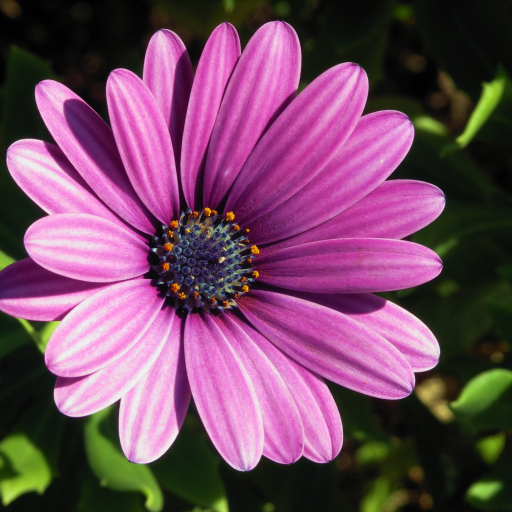
Known as the "Blue-eyed Daisy" or "Cape Marguerite," Dimorphotheca ecklonis is a sun-worshiper hailing from the slopes of South Africa. This plant is a master of contrast, featuring petals that look like polished porcelain surrounding a startling, metallic-blue center. It is a staple for gardeners who want a "red carpet" look without the high-maintenance demands of more delicate blooms.
🔍 How to Identify
- 🌸 The "Eye": The most striking feature is the central disk, which typically glows with a deep violet or iridescent blue hue, looking almost like a gemstone.
- 🍃 Foliage: The leaves are narrow, lance-shaped, and slightly fleshy, often featuring "toothed" or notched edges that provide a textured green backdrop to the bright flowers.
- 🌼 Petal Texture: The ray-like petals are smooth and symmetrical; while the tops are usually brilliant white, the undersides often have a subtle wash of mauve or blue.
🏡 In Your Garden
- ☀️ The Night Shift: Don't be alarmed if your flowers "disappear" in the evening! This plant practices nyctinasty, meaning the petals close tightly at night and on cloudy days to protect its pollen.
- 🏜️ Tough Love: Originating from rocky environments, it has a strong taproot that makes it incredibly drought-tolerant once established. It actually prefers "lean" soil—if you give it too much fertilizer, you’ll get plenty of leaves but very few of those iconic blue-eyed flowers.
- ✂️ Summer Nap: In extremely hot regions, the plant may stop blooming in mid-summer to conserve energy. A light trim at this stage encourages a massive second flush of flowers once the air cools down in autumn.
⚠️ Safety & Toxicity
- 🐾 Pet Safe: Dimorphotheca ecklonis is generally considered non-toxic to dogs, cats, and horses, making it a worry-free choice for pet-filled backyards.
- 🧒 Kid Friendly: It is safe for children’s gardens; however, like many garden plants, the sap can occasionally cause mild skin irritation for those with very sensitive skin if the stems are broken.
✨ Fun Fact
Even though it looks like a single flower, each "daisy" is actually a complex colony! The outer petals are individual "ray flowers," while the blue center is packed with dozens of tiny "disk flowers," each one capable of producing a seed.

Detailed Care Instructions
To grow Dimorphotheca Ecklonis, also known as Cape Marigold or African Daisy, follow these steps:
- Choose the right location: Dimorphotheca Ecklonis prefers full sun, at least 6-8 hours of direct sunlight per day. Ensure the spot has well-draining soil.
- Prepare the soil: Loosen the soil and remove any weeds or debris. Add organic matter like compost to improve soil quality and drainage.
- Planting: Sow the seeds directly in the garden or start them indoors a few weeks before the last frost. The seeds are small, so sprinkle them lightly on the soil surface and press them down gently. Cover with a thin layer of soil.
- Watering: Keep the soil moist but not waterlogged until the seedlings emerge. Once established, Cape Marigolds are drought-tolerant and only need watering during prolonged periods of dryness.
- Fertilizing: Apply a balanced, slow-release fertilizer once every few months to promote healthy growth. Alternatively, you can use a liquid fertilizer diluted according to the manufacturer's instructions.
- Mulching: Adding a layer of organic mulch around the plants helps retain moisture, suppress weeds, and regulate soil temperature.
- Pruning: Regularly deadhead faded flowers to encourage continuous blooming throughout the season. This will also prevent the plant from self-seeding and potentially becoming invasive.
- Pests and diseases: Dimorphotheca Ecklonis is generally resistant to most pests and diseases. However, keep an eye out for aphids, spider mites, or powdery mildew. If necessary, treat with an appropriate insecticide or fungicide.
- Propagation: Cape Marigold can be easily propagated by saving and sowing seeds from mature plants or by taking stem cuttings.
- Overwintering: In colder regions, where frost occurs, the plant may not survive the winter. It is often grown as an annual or potted plant. Consider bringing the potted plant indoors or cover the garden plant with mulch to protect it from severe cold.
By following these steps, you can successfully grow Dimorphotheca Ecklonis and enjoy its vibrant flowers in your garden.

Place in a bright room that is sun drenched almost all day. Or directly in a south-facing window.

To water Dimorphotheca Ecklonis plant, follow the following steps:
1. Evaluate the soil moisture: Before watering the plant, assess the moisture level of the soil. Insert your finger about one inch into the soil near the plant's base. If the soil feels dry at this depth, it's an indication that watering is required.
2. Watering container-grown plants: If you have Dimorphotheca Ecklonis planted in a container, make sure the pot has drainage holes. Place the container in a sink, basin, or outside, as water drainage is necessary. Slowly pour water into the pot until it starts flowing from the drainage holes. Allow the water to saturate the soil completely.
3. Watering ground-planted plants: If the Dimorphotheca Ecklonis is planted in the ground, utilize a watering can or garden hose to water around the base of the plant. Ensure the water is directed towards the soil rather than the leaves or flowers. Water should be applied evenly to moisten the soil around the plant's root zone.
4. Watering frequency: Dimorphotheca Ecklonis plants generally prefer well-draining soil, so it's important not to overwater. Wait until the top few inches of soil have dried out before watering again. The frequency may vary depending on factors like temperature, humidity, and the soil type.
5. Morning watering: It is recommended to water Dimorphotheca Ecklonis plants in the morning. This allows excess moisture on the leaves to evaporate during the day and prevents the risk of fungal diseases that can result from prolonged leaf wetness.
6. Avoid waterlogging: Overwatering or allowing the plant to stand in waterlogged soil for extended periods can lead to root rot or other diseases. Ensure that excess water drains properly from the pot or planting area to prevent waterlogging.
7. Observe plant response: Regularly monitor your Dimorphotheca Ecklonis plant for signs of underwatering or overwatering. Signs of underwatering include drooping leaves, wilting, and dryness, while overwatering may cause yellowing of leaves, root rot, or fungus growth. Adjust your watering routine accordingly.
Remember, while watering is essential for plant health, other factors like light, temperature, and humidity also impact the overall well-being of Dimorphotheca Ecklonis. Providing appropriate moisture, along with suitable growing conditions, will help your plant thrive.
- Ensure that the Dimorphotheca Ecklonis plant is established in well-draining soil.
- Before fertilizing, water the plant thoroughly to moisten the soil.
- Use a balanced water-soluble fertilizer with a ratio of 10-10-10 or similar, following the instructions on the fertilizer packaging for dilution.
- Apply the diluted fertilizer solution around the base of the plant, avoiding contact with the foliage.
- It is recommended to fertilize the Dimorphotheca Ecklonis once every two weeks during the growing season, which is typically spring and summer.
- Adjust the frequency and dosage of fertilization based on the plant's response and the specific fertilizer being used.
- In autumn and winter, reduce or completely halt fertilization as the plant may enter a dormant phase.
- Always monitor the plant for signs of over-fertilization, such as yellowing leaves or stunted growth. If these symptoms occur, reduce or discontinue fertilization and ensure proper watering practices.
Dimorphotheca Ecklonis, commonly known as the cape marigold or African daisy, is a popular plant known for its beautiful daisy-like flowers. When it comes to choosing the right soil for this plant, it's important to consider its unique requirements.
Ideally, Dimorphotheca Ecklonis thrives in well-draining soil that is rich in organic matter. The soil should be loose and light to allow proper root development and prevent waterlogging, which can lead to root rot. A sandy loam or sandy soil composition is often recommended.
The pH level of the soil is also crucial in achieving optimal growth. Dimorphotheca Ecklonis prefers slightly alkaline to neutral soils, with a pH range between 6.5 and 7.5. Ensuring the appropriate pH level promotes better nutrient uptake and overall plant health.
To enhance the soil quality, it's beneficial to mix in organic matter such as compost or well-rotted manure. This helps improve the soil's fertility, drainage, and moisture-retaining capabilities. Adding a layer of organic mulch on top of the soil can also help conserve moisture, regulate temperature, and suppress weed growth.
Furthermore, it's important to note that Dimorphotheca Ecklonis does not tolerate heavy clay soils or overly compacted soil. Such conditions hinder root development and may lead to poor growth and susceptibility to disease.
In summary, choose a well-draining sandy loam or sandy soil with a slightly alkaline to neutral pH range for Dimorphotheca Ecklonis. Incorporate organic matter to enhance soil fertility and moisture retention. Avoid heavy clay soils and ensure the soil remains loose and well-aerated around the plant's roots.
Dimorphotheca Ecklonis plants can be propagated through both seed germination and vegetative propagation methods. Here are some detailed steps to propagate the plant:
- Seed Germination:
a. Collect mature seeds from the parent plant when the seed heads turn brown and start to split open.
b. Remove the seeds from the seed heads and place them in a container.
c. Prepare a seedling tray or small pots with well-draining soil mix.
d. Sow the Dimorphotheca Ecklonis seeds evenly on the soil surface, gently pressing them into the soil without covering them completely.
e. Mist the seeds with water to provide moisture.
f. Place the seedling tray or pots in a warm, well-lit location, ensuring they receive indirect sunlight.
g. Maintain consistent moisture in the soil by misting it regularly, but avoid overwatering.
h. Germination usually takes around 1-2 weeks. Once the seedlings develop two to three true leaves, they can be transplanted into individual pots or containers.
- Vegetative Propagation:
a. Choose a healthy, mature Dimorphotheca Ecklonis plant for propagation.
b. Prepare a clean, sharp pair of pruning shears or scissors.
c. Identify a suitable stem on the parent plant that is at least 4-6 inches long, healthy, and free from diseases or pests.
d. Make a clean and sloping cut just below a node (where the leaves emerge).
e. Remove the lower leaves, leaving only a few at the tip.
f. Optionally, apply a rooting hormone to the cut end to enhance root development.
g. Fill a small pot or container with well-draining soil mix.
h. Create a hole in the soil using a pencil or finger and insert the cut end of the stem into the hole.
i. Firmly press the soil around the stem to hold it in place.
j. Water the cutting thoroughly to settle the soil and maintain moisture.
k. Place the potted cutting in a warm, brightly lit location, away from direct sunlight.
l. Mist the cutting regularly to provide humidity and prevent drying out.
m. Within a few weeks, roots should start to develop. You can gently tug on the stem to check if it has established roots by feeling resistance.
n. Once the roots are well-established, the cutting can be treated as a mature plant and transplanted into a larger pot or directly into the garden.
By following these propagation methods, you can successfully propagate Dimorphotheca Ecklonis plants and enjoy their vibrant blooms.








