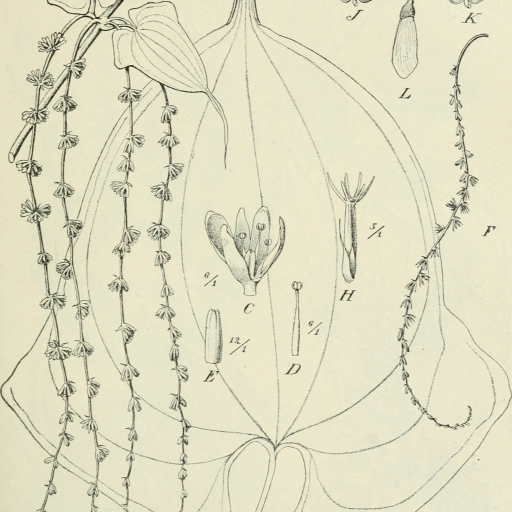
Plant Overview
Often called the Zanzibar Yam or the African Heart Yam, Dioscorea sansibarensis is a botanical showstopper that looks like it stepped out of a prehistoric jungle. This vigorous climber is famous for its gargantuan, glossy leaves that can easily dwarf a human hand. In its native tropical Africa, it is a master of the canopy, using its twinning vines to race upward toward the sunlight with incredible speed.
🔍 How to Identify
- 🍃 Colossal Leaves: The foliage is broadly heart-shaped (cordate), often reaching up to 18 inches across, featuring a distinctively smooth, waxy sheen and prominent veins.
- 💧 Drip Tips: Each leaf tapers into a long, elongated "tail" or drip tip, an evolutionary trick designed to shed heavy tropical rainwater quickly to prevent mold.
- 🥔 Aerial Tubers: Look for small, dark, potato-like growths called "bulbils" nestled in the leaf axils. These act as clones that fall to the ground to start new plants.
🏡 In Your Garden
- 🧗 The Great Climber: This is not a plant for a small shelf. It is a true liana that requires a sturdy trellis, a fence, or a large tree to scale; without support, it will quickly crawl across your floor looking for something to climb.
- 🌱 Invasive Potential: Because those little aerial bulbils drop and sprout with ease, this plant is considered a "category 1" invasive species in many tropical regions outside Africa. If you live in a warm climate, it is best kept in a pot to prevent it from escaping into the wild.
⚠️ Safety & Toxicity
- 🚫 Toxic Status: Highly Poisonous. Do not be fooled by the "Yam" in its name; unlike the sweet potatoes or yams in a grocery store, this species is toxic.
- 🐾 Pets & Kids: The tubers and bulbils contain dioscorine, a bitter alkaloid. If ingested by pets or humans, it can cause severe vomiting, respiratory distress, or even more serious neurological symptoms. Always handle with care and keep away from curious nibblers.
✨ Fun Fact
🧪 Ancient Weaponry: In some traditional cultures within its native range, the toxic tubers were historically crushed and used as a potent fish poison or even applied to arrowheads for hunting, proving that this beautiful vine is as dangerous as it is decorative.

Detailed Care Instructions
To grow Dioscorea sansibarensis (commonly known as the Hairy Yam or African Potato), follow these steps:
- Obtain a tuber or cutting from a reputable source: Purchase a healthy tuber or obtain a cutting from a mature plant. Ensure it is disease-free and preferably has multiple growth points.
- Potting mixture: Prepare a well-draining potting mixture that consists of equal parts of garden soil, perlite or vermiculite, and organic compost. Mix them together thoroughly.
- Select a suitable container: Choose a pot that is at least 12 inches (30 cm) deep and wide as the plant develops an extensive root system. Make sure it has drainage holes to prevent waterlogging.
- Planting: Place the tuber or cutting horizontally in the prepared potting mixture with the growth points facing upwards. Cover it with 1-2 inches (2.5-5 cm) of the mixture, leaving the tip exposed.
- Light and temperature: Place the pot in a location that receives bright, indirect sunlight. Dioscorea sansibarensis prefers warm temperatures between 70-85°F (21-29°C). Avoid exposing it to direct sunlight as it can scorch the leaves.
- Watering: Water the plant thoroughly after planting and then allow the top inch (2.5 cm) of the potting mix to dry out before watering again. Avoid over-watering, as the tuber can rot. Adjust the frequency of watering based on the plant's needs and the environmental conditions.
- Humidity: Maintain moderate humidity around the plant by placing a tray filled with water near it or misting the leaves regularly. However, ensure that the leaves dry out within a reasonable time to prevent fungal diseases.
- Support: As the plant grows, it will develop aerial roots along the stem. Provide a trellis, stake, or bamboo pole for support and regularly tie the vines to prevent them from sprawling.
- Fertilization: Feed Dioscorea sansibarensis with a balanced, water-soluble fertilizer diluted to half-strength every two to three weeks during the growing season (spring to fall). Reduce or stop fertilization during winter when growth slows down.
- Pruning and propagation: Trim back any leggy or weak growth to encourage bushier growth. If desired, you can propagate the plant by removing tubers or stem cuttings during the active growing season, ensuring they have at least one growth point.
- Dormancy: In the plant's natural habitat, Dioscorea sansibarensis experiences a dry dormant period during the winter. You can mimic this by reducing watering and providing cooler temperatures (around 60°F or 15°C) during the winter months. Resume regular care in the spring when new growth appears.
By following these steps, you can successfully grow Dioscorea sansibarensis. Remember to be patient, as it can be a slow-growing plant.

Place in a bright room that is sun drenched almost all day. Or directly in a south-facing window.
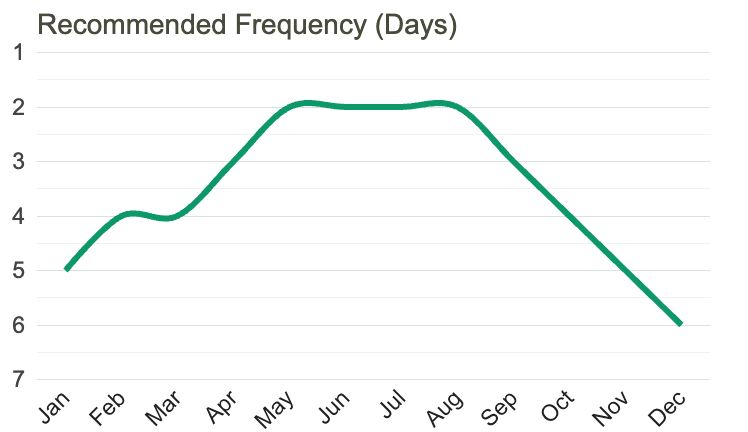
Dioscorea sansibarensis plant should be watered regularly, but not excessively as it can cause root rot. The soil should be allowed to dry out between waterings, but not completely. Over-watering or under-watering can stress the plant and cause stunted growth. It is important to water the plant at the base and avoid getting the foliage wet to prevent fungal diseases. During hot and dry weather conditions, the plant may require more frequent watering. It is advisable to use a well-draining soil mix to ensure excess water drains away without saturating the soil.
To fertilize this plant, apply a balanced fertilizer with equal amounts of nitrogen, phosphorus, and potassium during the growing season. Fertilize every two to three weeks in the early spring and summer. However, avoid fertilizing in late summer and fall to prevent the plant from producing too much foliage that may be susceptible to cold damage during the winter. Use a granular fertilizer with a slow-release formula or a liquid fertilizer diluted in water according to the product instructions. Apply the fertilizer around the base of the plant, avoiding contact with the foliage. Water thoroughly after fertilizing to ensure the nutrients penetrate the soil.
The ideal soil for the plant in question is a well-draining, nutrient-rich soil with a slightly acidic to neutral pH level (between 6 and 7.5). The soil should be loose and loamy, with a good balance of sand and organic matter. Adding perlite or vermiculite to the soil can help improve drainage. It is also important to ensure that the soil is moist but not waterlogged, as overwatering can lead to root rot. The plant prefers partial to full sunlight and can tolerate some shade. It is recommended to fertilize the plant every two to three weeks during the growing season with a balanced fertilizer.
To propagate this plant, you will need to first obtain a healthy cutting from a mature plant. This cutting should be at least 6 inches long and have several leaves on it.
Next, remove the leaves from the bottom 2-3 inches of the cutting. Dip the cut end in rooting hormone to promote root growth.
Prepare a pot with well-draining soil and make a hole in the center. Insert the cutting into the hole and gently pat the soil around it. Water the cutting, being careful not to overwater, and cover it with a plastic bag or plastic wrap to create a humid environment.
Place the pot in a warm, shaded area and check on the cutting periodically to ensure it stays moist and root development is occurring. Once roots have formed, remove the plastic covering and gradually adjust the plant to more light and less humidity.








