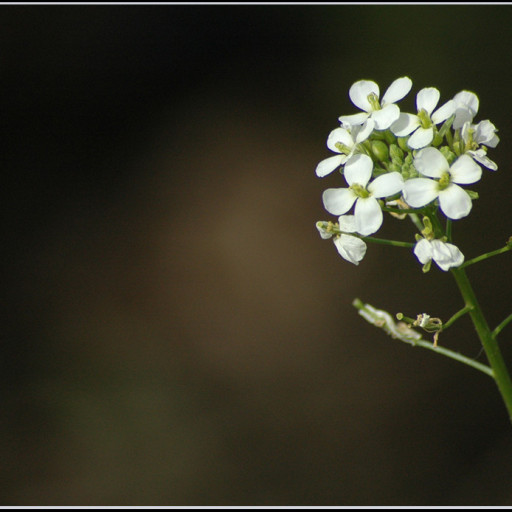
Plant Overview
Often called the White Wall-rocket, this Mediterranean native is the elegant, snowy-white cousin of the common yellow wild rocket. In Southern Europe, it is famously known for "whitening" vineyards and olive groves during the winter and early spring, creating a blanket of blossoms that look like a light dusting of snow. It is a resilient survivor that turns neglected patches of soil into a peppery, pollinator-friendly sanctuary.
🔍 How to Identify
- ❄️ The Flowers: Unlike many of its yellow-flowered relatives, this plant produces clusters of four-petaled flowers that are brilliant white, often delicately veined with violet or green.
- 🍃 The Foliage: The leaves are deeply lobed and toothy, closely resembling the arugula (rocket) you find in grocery stores, and they emit a pungent, spicy scent when crushed.
- 🌱 Seed Pods: After flowering, it develops long, slender green pods (siliques) that stand upright along the stem, packed with tiny seeds ready to be dispersed by the wind.
🏡 In Your Garden
- 🚜 The Pioneer Spirit: This plant is a "pioneer species," meaning it thrives in disturbed soil. If you’ve recently tilled a garden bed or have a gravelly patch, the White Wall-rocket will likely be the first to move in and stabilize the ground.
- 🐝 Pollinator Buffet: Because it often blooms during cooler months when other flowers are dormant, it provides a critical early-season nectar source for brave honeybees and overwintering butterflies.
- ✂️ Growth Habit: It has a deep taproot that allows it to withstand drought, but this also means it hates being moved. If you want it in your garden, it is best to sow seeds exactly where you want them to stay.
⚠️ Safety & Toxicity
- 🥗 Status: Generally safe and edible for humans. It is widely foraged in Mediterranean cultures for its intense, peppery, and slightly nutty flavor.
- 🐶 Pets & Livestock: While not considered toxic, most "cruciferous" plants like this contain glucosinolates. If eaten in massive quantities, it might cause mild digestive upset or "gas" in dogs or cats, though most animals avoid it due to its spicy kick.
- 🛣️ Foraging Warning: Always ensure the plant hasn't been sprayed with herbicides or grown near high-traffic roads, as it can accumulate pollutants from the soil.
✨ Fun Fact
In Italy, this plant is a staple of cucina povera (peasant cooking). It is often boiled briefly to mellow its spicy bite and then sautéed with olive oil and garlic to serve alongside Orecchiette pasta.

Detailed Care Instructions
To grow the Diplotaxis erucoides plant, also known as wild rocket or white wilted rocket, you can follow these steps:
- Choose a suitable location: Diplotaxis erucoides prefers full sun but can tolerate partial shade. Make sure the soil is well-draining and fertile.
- Sow the seeds: Start by sowing the seeds in a seed tray or small pots filled with seed compost. Plant the seeds about 1/4 inch deep and cover them with a thin layer of soil. Space the seeds at least 6 inches apart.
- Provide the right conditions: Keep the seed tray or pots in a warm location with a temperature between 60-70°F (15-21°C). Ensure the soil remains consistently moist but not waterlogged.
- Transplant: Once the seedlings reach a height of about 3-4 inches, they can be transplanted into the garden bed or larger pots. Space the plants at least 12-18 inches apart.
- Watering and maintenance: Water the plants regularly, keeping the soil consistently moist but not soaked. Ensure proper drainage to avoid waterlogging. Remove any weeds that compete with the plants for nutrients and water.
- Fertilization: Apply a balanced fertilizer, following the manufacturer's instructions, once a month during the growing season to promote healthy growth.
- Harvesting: Diplotaxis erucoides can be harvested when the leaves reach a desired size, typically around 6-8 weeks after planting. Harvest by cutting the outer leaves, allowing the inner ones to regrow.
- Pests and diseases: Monitor the plants for any signs of pests or diseases, such as aphids or fungal infections. Treat them accordingly using organic pest control methods or consult a local plant specialist for advice.
By following these steps, you should be able to successfully grow Diplotaxis erucoides and enjoy its flavorful leaves in salads or as a spicy addition to various dishes.

Place in a bright room that is sun drenched almost all day. Or directly in a south-facing window.

Diplotaxis erucoides is a plant that requires regular watering to survive and thrive. To properly water this plant, you should first check the soil moisture level by inserting your finger about an inch into the soil. If the soil feels dry, then it is time to water the plant.
When watering, it is important to avoid getting water on the leaves as this can cause fungal diseases to develop. Instead, direct the water at the base of the plant, gently enough to allow the water to soak into the soil without causing erosion or damage to the plant.
It is best to water this plant in the early morning or late evening when the temperature is cooler, to avoid evaporation of water and damage to the plant due to extreme heat. Be sure to water the plant consistently to prevent drought stress.
In addition to regular watering, Diplotaxis erucoides requires well-draining soil and full sun to thrive. Regular fertilization can also promote healthy growth and flowering.
For optimum growth, use a balanced fertilizer with equal parts nitrogen, phosphorus, and potassium. Apply the fertilizer at a rate of 1 tablespoon per gallon of water every two weeks during the growing season. Avoid fertilizing during the winter months. Always water the plant thoroughly after fertilizing.
To successfully grow Diplotaxis erucoides, it is important to use a well-draining soil mixture that is rich in organic matter. The soil should have a pH between 6.0 and 7.5. It is recommended to use a mixture of compost, sand, and loam in equal parts to create the ideal soil composition. Additionally, it is important to avoid using soil that has been treated with pesticides or herbicides, as this can harm the plant. Proper soil preparation and composition will ensure healthy growth and development of Diplotaxis erucoides plants.
There are several ways to propagate this particular plant, but one common method is through seed propagation. To do this, you will need to collect the seeds from the plant when they are ripe and dry. Once you have collected the seeds, you can either sow them directly into prepared soil or start them indoors in trays. If you choose to sow them directly into soil, make sure to prepare the soil by removing any weeds or debris and loosening the top layer of soil. Sow the seeds thinly and cover lightly with soil. Water the area lightly to moisten the soil and keep it moist until the seeds have germinated.
If you choose to start the seeds indoors, fill trays with seed-starting mix and sow the seeds thinly. Cover lightly with soil and water the trays lightly to moisten the soil. Place the trays in a warm, sunny area and keep the soil moist. Once the seedlings have developed their second set of leaves, you can transplant them into individual pots or into the ground.
Another method of propagation is through stem cuttings. Take stem cuttings from the plant in the early spring or summer, making sure to use sterile pruning shears. Make the cuttings about 6 inches long and remove the lower leaves. Dip the cuttings in rooting hormone and plant them in moist soil, either in individual pots or in a prepared bed. Keep the soil moist and the cuttings in a warm, humid area until they have developed roots and new growth.
Finally, you can also propagate the Diplotaxis erucoides plant through division. Divide the plant by digging it up and separating the roots into smaller clumps. Replant the smaller clumps in individual pots or in a prepared bed and keep the soil moist until the plants have established themselves.
Common pests of the white rocket include Aphids, larvae, snails, springtails. Make a habit of checking your white rocket frequently for pests so that any infestations can be caught and managed early.








