Plant Overview
Known affectionately as the "Million Hearts" plant, this charming epiphyte from the Philippines is a darling of the indoor gardening world. Its cascading vines draped in tiny, jade-colored hearts make it a romantic addition to any high shelf or hanging planter. While it looks delicate, it is a resilient survivor that hails from the tropical rainforest canopies, where it spends its life hugging the bark of ancient trees.
🔍 How to Identify
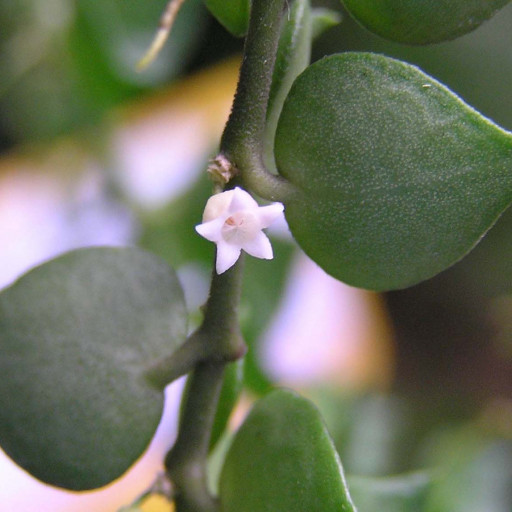
- 💚 The Leaves: Tiny, thick, and perfectly heart-shaped. They grow in dense pairs along the stems, creating a lush, crowded appearance that gives the plant its "Million Hearts" nickname.
- 🌿 Growth Habit: This is a trailing succulent-like vine. In its natural habitat, it "creeps" up tree trunks, but in a home setting, it produces long, wire-like vines that can reach several feet in length.
- 🌸 The Blooms: Look closely between the leaves for tiny, bell-shaped white or cream flowers. They are easy to miss because of their size, but they emit a faint, sweet scent when they appear during the warmer months.
🏡 In Your Garden (Home)
- ☁️ The Epiphyte Lifestyle: Because it grows on trees in the wild, its roots are designed to breathe rather than sit in dense dirt. Avoid standard heavy potting soil; instead, use a chunky orchid bark or coconut coir mix to mimic its natural home and prevent "wet feet."
- 💧 Thirst Cues: Treat it more like a succulent than a typical leafy houseplant. Wait for the heart-shaped leaves to feel slightly flexible or "soft" before watering. If the leaves are firm and plump, the plant is still holding onto its water reserves.
⚠️ Safety & Toxicity
- 🐾 Pet Friendly: Good news for animal lovers! Dischidia ruscifolia is generally considered non-toxic to cats and dogs, making it a "worry-free" choice for pet-filled households.
- 🥛 Sticky Sap: Like its cousins in the Hoya and Milkweed families, this plant contains a milky white latex sap. While not dangerous, this sap can cause minor skin irritation for some people or a mild stomach upset if ingested in large quantities.
✨ Fun Fact
The Dischidia genus is famous for its "Ant Plant" reputation. In the wild, many species have a symbiotic relationship with arboreal ants, providing them with specialized hollow leaves for shelter in exchange for the nutrient-rich carbon dioxide and waste the ants leave behind!

Detailed Care Instructions
| Soil Ph | Neutral, Alkaline |
| Humidity | Normal |
| Lighting | Part Sun |
| Toxicity | Non-Toxic |
| Soil Type | Well-Drained |
| Bloom Time | Spring, Summer |
| Difficulty | Medium |
| Plant Type | Succulent |
| Mature Size | Up To 3.3 Feet (1 M) Long |
| Native Area | India, Asia, Australia |
| Temperature | 18°C - 25°C |
| Sun Exposure | Partial, Shade |
| Hardiness Zones | 11-12 |
To grow Dischidia ruscifolia plant, also known as Million Hearts plant, you can follow these steps:
- Purchase a healthy plant: Look for a healthy Dischidia ruscifolia plant from a reputable nursery or online seller. Ensure that the plant has no visible signs of pests or diseases.
- Potting: Choose a pot with good drainage holes and fill it with a well-draining potting mix. A mix of peat moss, perlite, and orchid bark works well for Dischidia ruscifolia. Avoid using regular garden soil as it may retain too much moisture.
- Planting: Gently remove the plant from its nursery pot, taking care not to damage the roots. Place it in the center of the new pot, ensuring that the top of the root ball is level with the pot's rim. Fill in the potting mix around the sides, gently pressing it down to secure the plant.
- Light: Dischidia ruscifolia plants prefer bright, indirect sunlight. Place them near a window with filtered light or in a spot in your home that receives bright, but indirect sunlight.
- Watering: Water the plant thoroughly, allowing the water to flow out of the drainage holes. Wait until the top inch of the potting mix feels slightly dry before watering again. Avoid overwatering as it may cause root rot. Dischidia ruscifolia plants prefer slightly moist soil but not soaking wet.
- Humidity: These plants thrive in high humidity environments. You can increase humidity by misting the leaves with water or placing a tray of water near the plant to allow evaporation.
- Temperature: Dischidia ruscifolia prefers temperatures between 60-80°F (15-27°C). Avoid exposing the plant to extreme cold or hot temperatures.
- Fertilizer: Feed the plant with a balanced liquid fertilizer diluted to half strength once a month during the growing season (spring to early fall).
- Pruning: To maintain the plant's shape and encourage bushier growth, you can trim the plant lightly in spring or summer. Cut just above a leaf node to stimulate new growth.
- Support: Dischidia ruscifolia is a vining plant that benefits from some support. You can provide a trellis or a small stake for the plant to climb on, or allow it to cascade down from a hanging basket.
Following these guidelines should help you successfully grow Dischidia ruscifolia and enjoy its unique trailing vines with heart-shaped leaves.

Place in a window with dappled sun or a spot in the middle of a room. Or directly in a window facing west or east.

To properly water this plant, first ensure that the soil is completely dried out before watering. Once it is time to water, soak the soil thoroughly with room temperature water until water runs out of the drainage holes. Avoid letting the plant sit in standing water, as this can cause root rot. Watering every 1-2 weeks should suffice, but frequency may vary depending on factors such as temperature, humidity, and light levels. Be sure to monitor the plant closely and adjust watering as needed.
To fertilize this plant, mix a water-soluble fertilizer into a gallon of water, following the package instructions for the recommended dosage. Water the plant with the fertilizer solution once a month during the growing season, typically from spring to fall. Avoid over-fertilizing, which can lead to fertilizer burn, and take care not to get the fertilizer directly on the plant's leaves, as this can also cause damage.
Dischidia Ruscifolia requires a well-draining soil mixture that is rich in organic matter and has good water-holding capacity. The soil should be loamy and slightly acidic with a pH range between 6 to 6.8. It should also be moist but not waterlogged. A good soil mix would include components such as peat moss, perlite or vermiculite, and coarse sand or gravel to aid in drainage. It is important to avoid compacted or heavy soils that can cause root rot and reduce plant growth. Additionally, adding a slow-release fertilizer or organic compost to the soil mix can help provide essential nutrients for the plant to grow healthy. Overall, the soil should be well-aerated and suitable for the growth and development of Dischidia Ruscifolia.
To propagate this plant, start by taking a healthy stem cutting that has at least two nodes (the points where leaves attach to the stem). Remove any leaves from the lower node, leaving only the ones near the top.
Prepare a small pot with well-draining soil and create a hole in the center for the cutting to be inserted. Dip the bottom of the cutting in rooting hormone before inserting it into the soil and gently tamping down the soil to hold the cutting in place.
Water the cutting thoroughly and cover the pot with a clear plastic bag to maintain humidity. Keep the cutting in a warm and bright area, but out of direct sunlight.
After a few weeks, check the cutting by giving it a gentle tug. If it resists, it has started to root, and you can remove the plastic bag. Gradually increase the amount of light it receives by moving it closer to a window.
Once the plant has established roots and has started to grow new leaves, it can be moved into a regular potting mix and cared for as a mature plant.
Common pests of the million hearts include Scale insect, mealybugs, spider mites. Make a habit of checking your million hearts frequently for pests so that any infestations can be caught and managed early.








