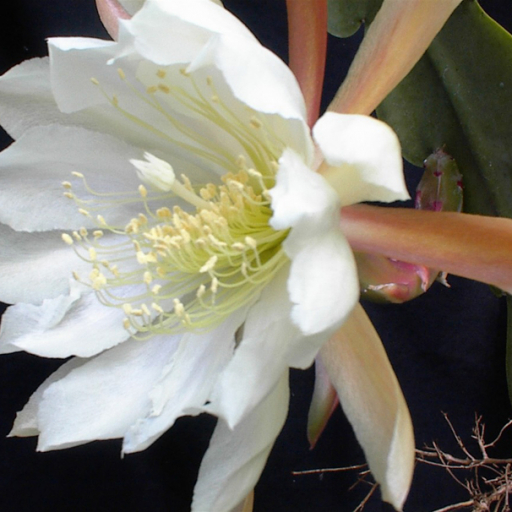
Plant Overview
Often called the Crenate Orchid Cactus, this stunning epiphyte is the botanical equivalent of a hidden treasure. While it looks like a collection of long, wavy leaves, it is actually a thornless cactus that naturally lives high in the crooks of tropical forest trees. It is famous among collectors for its massive, ghost-white blooms that fill the night air with a powerful, sweet fragrance.
🔍 How to Identify
- 🍃 Stems: Long, flattened, leaf-like stems that are thick and succulent. They feature "crenate" (scalloped) edges, giving the plant a wavy, elegant silhouette.
- 🌸 The Bloom: Massive, creamy-white or pale-yellow funnel-shaped flowers. These can reach up to 8 inches in diameter and usually open in the late afternoon or night.
- 📏 Growth Habit: An arching or trailing habit. In the wild, it grows as an epiphyte (on trees) or a lithophyte (on rocks), making it perfect for hanging baskets.
🏡 In Your Garden
- ☁️ Epiphytic Needs: Unlike desert cacti, this species hates heavy, water-clogging soil. It thrives best in a "chunky" mix of orchid bark, perlite, and peat to mimic its home in the canopy.
- 🌡️ The Flowering Secret: To trigger its spectacular blooms, the plant requires a "cool down" period in the winter. Keeping it in a slightly chillier room (around 50-60°F) and reducing water for a few weeks tells the plant it's time to prepare flowers for spring.
⚠️ Safety & Toxicity
- ✅ Safe for All: This plant is generally considered non-toxic to humans, cats, and dogs. It is a "friendly" cactus for households with curious pets.
- 🌵 Soft Defense: While it lacks the long, piercing needles of its desert cousins, the areoles (the bumps along the stem) can occasionally produce tiny, hair-like bristles that might cause mild irritation if handled roughly.
✨ Fun Fact
- 🧬 A Famous Parent: Disocactus crenatus is the primary ancestor of almost all the colorful "Orchid Cactus" hybrids (Epiphyllums) found in nurseries today. If you see a hybrid with giant pink or red flowers, there is a very good chance this plant's DNA is what made those blooms so large!

Detailed Care Instructions
To grow a Disocactus Crenatus plant, also known as the orchid cactus or rat-tail cactus, follow these steps:
- Propagation: Start by obtaining a healthy and established Disocactus Crenatus plant from a reputable nursery or obtain a cutting from a friend. The plant can be grown from seeds, but it is usually easier and faster to propagate using stem cuttings.
- Choosing a pot: Select a well-draining pot with drainage holes in the bottom to prevent waterlogging. The pot should be at least 6-8 inches in diameter to accommodate the mature size of the plant.
- Soil: It is crucial to use a well-draining soil mix suitable for cacti and succulents. You can either buy a pre-made cactus potting mix or make your own by combining equal parts of potting soil, perlite, and coarse sand.
- Planting: Place the cutting or young plant into the pot, ensuring that the soil is lightly packed around the roots. Keep the crown of the plant above the soil level to prevent rotting.
- Light: Disocactus Crenatus plants need bright, indirect light to thrive. Place the plant near a window or in a location with filtered sunlight. Avoid direct sunlight for prolonged periods as it can scorch the plant.
- Watering: Orchid cacti prefer moderate watering, allowing the top inch of the soil to dry out between watering sessions. Water thoroughly until excess water drains from the holes at the bottom of the pot. Avoid overwatering, as it can lead to root rot.
- Humidity: The Disocactus Crenatus plant appreciates higher humidity levels. Place the pot on a tray filled with pebbles and water, ensuring that the pot does not sit directly in the water. The evaporating water will increase the humidity around the plant.
- Temperature: These plants prefer temperatures between 60-80°F (15-27°C) during the growing season. Keep them away from drafts and extreme temperature fluctuations.
- Fertilization: During the growing season (spring to summer), feed your Disocactus Crenatus plant every four to six weeks with a balanced, water-soluble fertilizer formulated for cacti and succulents. Follow the package instructions for proper dilution and application.
- Pruning: Regularly check for dead or damaged stems and remove them with clean pruning shears. This will help maintain the plant's health and appearance.
- Support: As the Disocactus Crenatus plant can have trailing or climbing growth, provide a trellis or support structure for it to cling onto. This will prevent the stems from becoming tangled or damaged.
- Repotting: Every 2-3 years, consider repotting the plant into a slightly larger pot to accommodate its growth. Use fresh cactus potting mix and handle the roots carefully during the repotting process.
With proper care, your Disocactus Crenatus plant should grow and produce beautiful blooms. Remember to monitor it regularly for signs of pests, such as mealybugs or scale, and treat immediately if any are found.

Place in a window with dappled sun or a spot in the middle of a room. Or directly in a window facing west or east.

1. Disocactus crenatus, also known by its scientific name, belongs to the family Cactaceae and is a tropical cactus plant that requires specific watering techniques to thrive.
2. When watering Disocactus crenatus, it is important to ensure that the soil is completely dry before each watering session. This plant is sensitive to overwatering and is more tolerant of underwatering.
3. Before watering, it is advisable to use your finger or a moisture meter to check the moisture level in the soil. Insert your finger up to about an inch into the soil to feel if it is dry. If the soil feels moist, wait for a few more days before watering.
4. When it's time to water, use room temperature or slightly lukewarm water. Avoid using cold water directly from the tap as it can potentially shock the roots. Allow the water to sit for a day or two to eliminate any chlorine or other chemicals.
5. Slowly pour the water onto the soil at the base of the plant until it starts to come out of the drainage holes at the bottom of the pot. Ensure that the water is evenly distributed and reaches all parts of the root system. Be cautious not to pour too much water, as it can lead to waterlogging.
6. After watering, it is essential to allow the soil to dry out completely and avoid any standing water in the saucer or tray underneath the pot. Empty any excess water to prevent root rot and fungal issues.
7. The watering frequency will depend on various factors such as temperature, humidity, pot size, and soil composition. As a general guideline, Disocactus crenatus typically requires watering every 7 to 10 days during the growing season, which is usually spring and summer. In fall and winter, when the plant goes dormant, reduce the watering frequency to once every 2-3 weeks.
8. It's crucial to note that Disocactus crenatus prefers a slightly drier environment during its dormant period, so adjusting the watering schedule accordingly is important. Keep an eye on the plant's overall health and adjust the watering frequency if needed.
Remember, while watering is essential, it is equally important to consider other factors such as light, temperature, and soil quality to ensure optimal growth and health for Disocactus crenatus.
To fertilize Disocactus Crenatus, follow these instructions:
- Choose a balanced water-soluble fertilizer formulated for cacti and succulents. Avoid high-nitrogen fertilizers as it may promote excessive leaf growth rather than blooming.
- Dilute the fertilizer according to the package instructions, usually, a quarter or half strength is recommended for cacti. Using too strong a concentration can harm the plant.
- During the plant's growing season, which is typically spring and summer, apply the diluted fertilizer once every two to four weeks. Reduce or halt fertilization during fall and winter when the plant is dormant.
- Before fertilizing, ensure the soil is moist but not waterlogged. Overwatering can lead to root rot.
- Apply the diluted fertilizer evenly around the plant's root zone, avoiding direct contact with the stems or foliage. For potted plants, pour the solution into the soil carefully, allowing it to soak through.
- After fertilizing, water the plant lightly to help the nutrients seep into the soil.
- Regularly monitor the plant for signs of overfertilization, such as wilting, leaf burn, or discoloration. If any of these signs appear, flush the soil with water to dilute excess fertilizer.
Remember, each plant's needs may vary, so it's always a good idea to observe your Disocactus Crenatus plant closely and adjust the fertilizing routine accordingly.
Disocactus Crenatus, commonly known as Easter cactus or link cactus, is a popular epiphytic cactus that requires a specific type of soil for optimal growth and health. When choosing soil for this plant, it is important to consider its natural habitat and its specific needs. Here are some details about the ideal soil composition for cultivating Disocactus Crenatus:
- Well-draining: Disocactus Crenatus prefers a well-draining soil to prevent waterlogged conditions. This helps in avoiding root rot and fungal diseases, which can be detrimental to the plant's health. Adequate drainage allows excess water to pass through the soil easily.
- Porous and loose: The soil should be porous and loose to ensure proper aeration around the roots. This allows oxygen to reach the roots and prevents the soil from becoming compacted, which can hinder root growth.
- Organic matter: Adding organic matter, such as compost or well-rotted manure, to the soil can improve its structure and provide essential nutrients for the plant. Organic matter also aids in water retention without creating waterlogged conditions.
- pH level: Disocactus Crenatus prefers slightly acidic to neutral soil. The optimal pH range for this plant is typically between 6.0 and 7.5. Monitoring and adjusting the pH level of the soil can help create a suitable environment for the plant's root development.
- Mineral content: The soil should ideally contain a balanced proportion of minerals, essential for the healthy growth of Disocactus Crenatus. Ideally, the soil should comprise a mix of macronutrients such as nitrogen, phosphorus, and potassium, as well as micronutrients like iron, magnesium, and calcium.
- Moisture retention: While the soil should be well-drained, it should also have the ability to retain some moisture for the plant's hydration needs. The soil should strike a balance between draining excess water and retaining sufficient moisture for the plant's roots.
- Sterility: It is crucial to use sterile soil for Disocactus Crenatus to prevent the risk of introducing pathogens or pests. Using commercial potting mixes or sterilizing the soil prior to planting is recommended to minimize these risks.
Overall, Disocactus Crenatus thrives in a well-draining, organic-rich, slightly acidic to neutral soil. Providing these soil conditions can promote healthy growth and help your plant flourish.
Disocactus crenatus, a member of the Cactaceae family, can be propagated through various methods such as stem cuttings. Here's a detailed guide on how to propagate Disocactus crenatus:
- Preparing the materials: Gather the necessary materials, including a sharp sterilized knife or shears, a clean container filled with well-draining soil, and root hormone (optional).
- Selecting the cutting: Choose a healthy and mature Disocactus crenatus plant for propagation. Look for a stem section that is at least 4-6 inches long and has a few segments or joints.
- Preparing the cutting: Carefully cut the selected stem section just above a joint using the sterilized knife or shears. Make a clean cut to avoid damaging the stem.
- Callusing: Place the cut end of the stem in a dry, shaded area for a few days to allow it to form a callus. This step helps prevent potential infections during the propagation process.
- Rooting hormone (optional): If desired, dip the callused end of the stem into a rooting hormone powder or gel. This can enhance root formation, but it is not compulsory.
- Planting the cutting: Fill a clean container with well-draining soil suitable for cacti or succulents. Create a small hole in the soil with your finger or a pencil, and gently insert the callused end of the cutting into the hole. Make sure to plant it deep enough to stabilize the cutting but ensure that at least one joint is exposed.
- Providing appropriate care: Place the potted cutting in a location that receives bright, indirect sunlight. Avoid direct sunlight, as it may harm the cutting. Maintain a temperature of around 65-75°F (18-24°C), as Disocactus crenatus prefers these temperature ranges.
- Watering: After planting, water the cutting lightly, ensuring that the soil is slightly moist but not soaked. Overwatering can lead to root rot, so be careful not to saturate the soil.
- Root development: In about 4-6 weeks, the cutting should start developing roots. During this time, lightly mist the cutting every few days to maintain moisture levels and provide humidity.
- Transplanting: Once the cutting has developed a sufficient root system, usually indicated by visible growth above the soil surface, it can be transplanted into a larger pot or directly into the ground if desired.
Remember to provide proper care to the newly propagated Disocactus crenatus plant, including regular watering, well-draining soil, and appropriate sunlight exposure. With time and care, your propagated Disocactus crenatus will grow into a beautiful and healthy plant.








