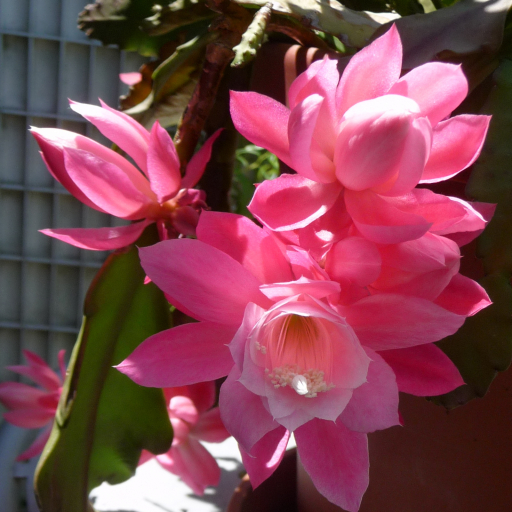
Plant Overview
Often called the "German Empress" or the "Pond Lily Cactus," this stunning orchid cactus is a living piece of botanical history. Native to the mountain forests of Mexico, it has been a household favorite since the 17th century due to its breathtaking explosion of rose-pink blossoms. Unlike the prickly inhabitants of the desert, this cactus prefers the lush life of a tropical canopy, cascading elegantly from hanging baskets like a crown of floral ribbons.
🔍 How to Identify
- 🌿 The Stems: Long, flat, and leaf-like (known as phylloclades) with gently scalloped or "crenated" edges. They are bright green and lack the sharp, intimidating spines found on desert cacti.
- 🌸 The Blooms: Exquisite funnel-shaped flowers that resemble miniature water lilies. They are roughly 3-4 inches long, appearing in a soft, glowing pink with a delicate satin texture.
- 📐 Growth Habit: A semi-erect start that eventually becomes pendulous. As the plant matures, the weight of the stems causes them to arch gracefully downward.
🏡 In Your Garden
- ☁️ Filtered Light: Because its ancestors lived in the crooks of trees, the Empress hates direct, scorching sun. It thrives in "bright-indirect" light—think of the dappled sun through a sheer curtain.
- 💧 The Epiphyte Secret: This plant is an epiphyte, meaning it "breathes" through its roots. It requires a very airy, porous potting mix (like orchid bark mixed with soil) and prefers to stay slightly moist during the blooming season rather than drying out completely.
- 💤 The Winter Chill: To see those famous pink flowers in spring, the plant needs a "rest" in winter with cooler temperatures and very little water. This mimicry of the Mexican dry season is the "trigger" for its floral show.
⚠️ Safety & Toxicity
- ✅ Status: Non-toxic and generally safe.
- 🐾 Details: The Disocactus phyllanthoides is considered safe for cats, dogs, and children. Since it lacks sharp spines, it won't cause the "ouch" factor of other cacti, though the stems are somewhat brittle and can snap if played with too roughly.
✨ Fun Fact
This plant was so beloved in 19th-century Europe that it was frequently depicted in classic botanical illustrations and became a staple in German cottage windows, which is how it earned its regal "Empress" nickname!

Detailed Care Instructions
To grow a Disocactus Phyllanthoides plant, also known as the Rat Tail Cactus, here are some steps to follow:
- Choose the right location: Find a spot that receives bright, indirect sunlight. These plants prefer partial shade, away from direct sunlight.
- Soil: Use a well-draining cactus mix or create your own by mixing equal parts potting soil, sand, and perlite or pumice. This will help to ensure proper drainage.
- Propagation: You can propagate the plant by taking stem cuttings. Cut a healthy section of stem, typically around 4-6 inches long, and allow it to dry for a day or two before planting.
- Planting: Place the stem cutting into the prepared soil, burying it about 1 inch deep. Gently press the soil around the cutting to secure it. If planting multiple stems, space them at least a few inches apart.
- Watering: Allow the soil to dry out slightly between waterings. Overwatering can lead to root rot, so it's crucial to avoid overdoing it. Water thoroughly and then let the excess water drain out through the drainage holes.
- Humidity: Disocactus Phyllanthoides prefers higher humidity levels. You can increase humidity by placing a tray of water near the plant or misting the foliage regularly.
- Fertilization: Feed the plant with a balanced cactus or succulent fertilizer during the growing season, which is typically spring and summer. Follow the package instructions for dosage and frequency.
- Temperature: These plants thrive in temperatures between 60-80°F (15-27°C). Protect them from extreme cold or heat.
- Support: As the plant grows, it can benefit from support to prevent the stems from drooping. You can use a wooden stake or a trellis to provide support.
- Pruning: If your plant becomes too leggy or starts to lose its shape, you can prune it back to encourage new growth. Prune just above a joint on the stem and allow the cut area to dry before replanting or propagating the cutting.
Remember, each plant has specific needs, and it is essential to monitor your Disocactus Phyllanthoides for any signs of issues, such as pests or diseases. Overall, with proper care and attention, your Rat Tail Cactus should grow well and thrive.

Place in a window with dappled sun or a spot in the middle of a room. Or directly in a window facing west or east.

To water this type of plant, you should first check the soil moisture level by sticking your finger about an inch into the soil. If the soil is dry, you can water the plant by pouring water into the soil until it drains out the bottom of the pot. Make sure not to overwater the plant, as this can lead to root rot. It is best to water the plant thoroughly but infrequently, allowing the soil to dry out slightly between waterings. During the winter months, when the plant is dormant, you should reduce watering to once every two to three weeks.
To fertilize this plant, use a balanced, water-soluble fertilizer with equal amounts of nitrogen, phosphorus, and potassium. Dilute the fertilizer to half strength and apply it to the soil every two weeks during the growing season (spring to summer). Do not fertilize during the dormant season (fall and winter). Water the plant thoroughly before and after fertilizing to prevent root burn.
The ideal soil mixture for Disocactus Phyllanthoides plants should be well-draining and light with good aeration. It should consist of a blend of materials such as perlite, coarse sand, and peat moss. The soil should have a pH of around 6.5-7 and be nutrient-rich. It should also retain enough moisture for the plant to grow properly without becoming waterlogged, as this can lead to root rot. It is recommended to use a potting mix specifically designed for cacti and succulents or to create a custom mixture based on the plant's needs.
- Select a healthy parent plant with sturdy stems and well-formed leaves.
- Using a clean and sharp pruning tool, carefully cut off a stem segment from the parent plant. Make sure the cutting is at least 4-6 inches long and has several nodes.
- Remove the lower leaves from the stem cutting, leaving only a few at the top.
- Leave the stem cutting to dry and allow the cut surface to heal for a few days.
- Prepare a well-draining soil mix using sand and peat moss in equal parts.
- Make a hole in the soil mix using your finger or a stick, and insert the stem cutting gently into the hole. Make sure the node where the leaves were removed is in contact with the soil.
- Water the soil gently, making sure not to drench the soil.
- Cover the stem cutting with a plastic bag or container to create a humid environment, which will promote root growth.
- Keep the soil moist and warm, and avoid exposing the plant to direct sunlight.
- After a few weeks, check for the roots by gently tugging at the stem cutting. If it resists, the roots have developed, and the plant is ready to be transplanted into a bigger pot or outdoor space.
- Care for the newly propagated plant as you would with the parent plant, providing it with adequate sunlight, water, and nutrition.
Common pests of the cactus include Scale insect, mealybugs, spider mites, thrips. Make a habit of checking your cactus frequently for pests so that any infestations can be caught and managed early.








