Plant Overview
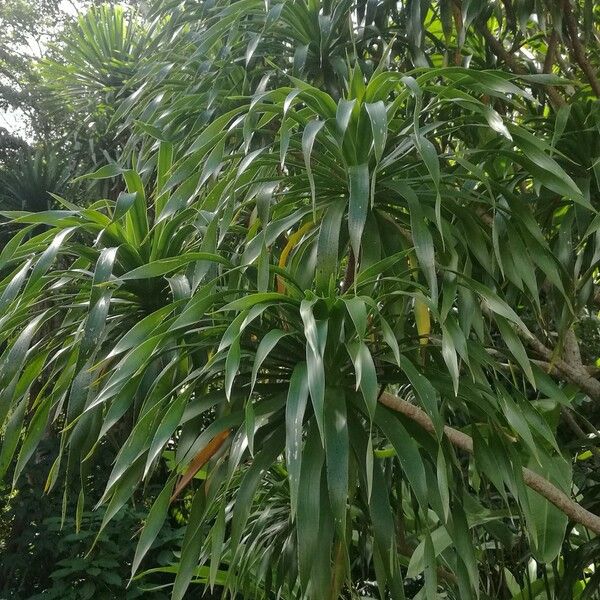
Known as the Cambodian Dragon Tree, this resilient beauty is the architectural superstar of the Southeast Asian tropics. Unlike its more common cousins, the Dracaena cambodiana features elegant, leather-like leaves that fountain outward, creating a lush, tropical silhouette. In many cultures, it is considered a "good luck" plant, often placed in homes to harmonize energy and provide a sense of timeless tranquility.
🔍 How to Identify
- 🍃 The Foliage: Long, sword-shaped leaves that are deep green and glossy. Unlike the stiff leaves of a Yucca, these are flexible and arch gracefully downward like a green waterfall.
- 🪵 The Trunk: As the plant matures, it develops a thick, woody, greyish-tan stem. It often branches out at the top, giving it a multi-headed, sculptural appearance.
- 📏 Growth Habit: It is a slow grower that prioritizes stability over speed. In its youth, it looks like a bushy shrub, but it eventually rises into a small, palm-like tree.
🏡 In Your Garden & Home
- 🌤️ Light Adaptation: This plant is a master of disguise; while it loves bright, filtered sunlight, it is famous for "holding its breath" in low-light corners for long periods without losing its deep green hue.
- 💧 Drought Strategy: Because it stores moisture in its thick, fibrous trunk, it prefers to be neglected rather than pampered. It hates "wet feet," so ensure the soil is completely dry before offering it a drink to avoid root rot.
- 🌬️ Air Purifier: Like many in the Dragon Tree family, it is highly efficient at filtering common household toxins from the air, making it a functional piece of living decor.
⚠️ Safety & Toxicity
- 🐾 Pet Hazard: This plant is considered toxic to cats and dogs.
- 🤢 The Details: It contains saponins. If ingested by pets, it can cause hypersalivation (drooling), vomiting, and dilated pupils in cats. Keep it on a high stand if you have curious furry friends.
✨ Fun Fact
The genus name Dracaena comes from the ancient Greek word drakaina, which means "female dragon." This refers to the red, blood-like resin found in the stems of some species within the family, which was historically used as a dye and a medicine!

Detailed Care Instructions
Here are some tips on how to grow Dracaena Cambodiana plants:
- Choose the right location: Dracaena Cambodiana plants thrive in indirect or filtered sunlight. Place them in a spot with bright, indirect light, away from direct sunlight.
- Temperature and humidity: These plants prefer moderate temperatures ranging from 60-75°F (15-24°C). Higher humidity levels are beneficial for their growth, so consider placing a humidifier nearby or misting the leaves regularly.
- Watering: Keep the soil evenly moist during the growing season, but avoid overwatering as it can lead to root rot. Allow the top inch of soil to dry out between waterings, and reduce watering during the winter months.
- Potting: When selecting a pot, choose one with drainage holes to prevent waterlogging. Plant the Dracaena Cambodiana in a well-draining potting mix, such as a mixture of peat moss, perlite, and potting soil.
- Fertilizer: Use a balanced, water-soluble fertilizer once a month during the growing season (spring and summer). Dilute the fertilizer according to the instructions on the package and apply it to the soil.
- Pruning: Prune the Dracaena Cambodiana to maintain its desired shape and remove any dead or yellowing leaves. You can also trim the top of the plant to encourage branching.
- Propagation: Dracaena Cambodiana plants can be propagated through stem cuttings. Take a 6-8 inch cutting from a healthy stem, remove the lower leaves, and place it in a glass of water. Once roots develop, transfer it to a pot with well-draining soil.
- Pest control: Watch out for common houseplant pests like spider mites or mealybugs. Regularly inspect the leaves for any signs of infestation and treat accordingly using organic or chemical pest control methods.
Remember to provide consistent care and monitor the plant's health. With proper attention, your Dracaena Cambodiana should grow and thrive.

Place in a window with dappled sun or a spot in the middle of a room. Or directly in a window facing west or east.

To properly water this type of plant, you should first assess its soil moisture level by feeling the top inch of soil with your finger. If it feels dry to the touch, it is time to water.
When watering, you should avoid overwatering by only adding enough water to saturate the soil. Allow excess water to drain out of the bottom of the pot and avoid letting the plant sit in standing water.
The frequency of watering will depend on the humidity and temperature of your home, as well as the size of the plant and the pot it is in. It is important to not let the soil dry out completely between watering, but also avoid keeping the soil constantly wet.
In addition to watering, you can also mist the leaves of the plant to increase humidity and promote healthy growth.
For optimal growth and health, fertilize the plant every two weeks during the growing season (spring and summer) using a balanced, water-soluble fertilizer diluted to half strength. During the dormant season (fall and winter), reduce fertilization to once a month. Avoid over-fertilizing as it can cause leaf burn and other damage. Always follow the instructions on the fertilizer package for proper mixing and application.
Dracaena cambodiana prefers a well-draining soil that is rich in nutrients. The soil pH should be slightly acidic to neutral, ideally around 6.0 to 7.0. It is recommended to use a soil mix that has a combination of peat moss, perlite, and sand or vermiculite to ensure good drainage. A balanced fertilizer should also be added to the soil to provide necessary nutrients for growth. It is important to avoid using heavy soils that may cause waterlogged conditions, which can lead to root rot and other plant diseases.
To propagate this particular plant, use stem cuttings that are at least 6 inches long. Make sure the cutting has several leaves and that the bottom is cut at an angle. Dip the cutting in rooting hormone and then plant it in moist soil. Place the cutting in a warm, humid spot, but out of direct sunlight. Keep the soil moist and mist the leaves regularly. In a few weeks, roots should begin to grow and new growth should appear. Once the plants have established roots, they can be planted in their permanent location.
Common pests of the dragon's blood include Scale insect, mealybugs, spider mites, thrips. Make a habit of checking your dragon's blood frequently for pests so that any infestations can be caught and managed early.








