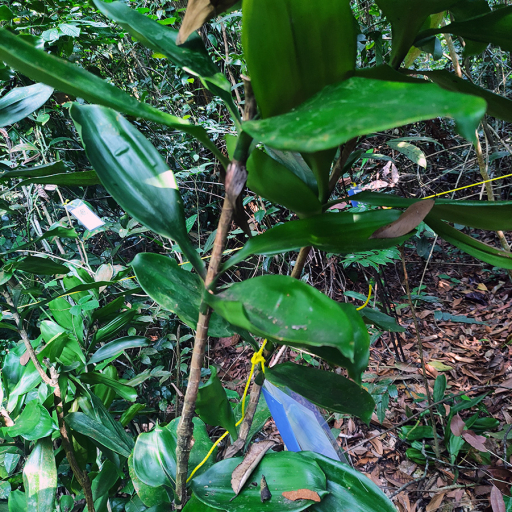
Plant Overview
Often called the Oval-leaf Dracaena, this Southeast Asian beauty is the master of the "galaxy" aesthetic. With its deep green leaves frequently splattered with golden or cream spots, it looks like a piece of the night sky brought indoors. While many of its relatives are stiff and upright, Dracaena elliptica offers a softer, more shrub-like elegance that bridges the gap between a hardy houseplant and a lush tropical specimen.
🔍 How to Identify
- 🍃 Leaf Shape: True to its name, the leaves are perfectly elliptical—broad in the middle and tapering at both ends, unlike the long, sword-like leaves of other common Dracaenas.
- ✨ Variegation: Look for "Star Dust" patterns; many varieties feature irregular yellow or white freckles across the glossy surface, which can sometimes be mistaken for a Hoya or Aucuba.
- 🎋 Stems: The plant grows on slender, cane-like stems that remain relatively flexible, giving it a bushy, full appearance rather than a single tall trunk.
🏡 In Your Garden
- ☁️ Humidity Lover: Unlike the desert-dwelling "Snake Plant" (also a Dracaena), this species thrives with a bit of extra moisture in the air. If the indoor air gets too dry, the leaf tips will quickly tell you by turning brown and crispy.
- 💧 Water Quality: This plant is a bit of a "water snob." It is highly sensitive to fluoride and salts found in common tap water. Using rain or filtered water prevents "chemical burn" on the foliage, keeping those elliptical leaves pristine.
⚠️ Safety & Toxicity
- 🐾 Pet Warning: This plant is considered toxic to both cats and dogs.
- 🤢 Details: It contains saponins. If ingested, it can cause drooling, vomiting, and loss of appetite. In cats, a classic sign of Dracaena poisoning is noticeably dilated pupils. Keep it on a high shelf away from curious nibblers.
✨ Fun Fact
- 🧬 Family Ties: Despite its leafy, tropical appearance, Dracaena elliptica is technically a member of the Asparagus family (Asparagaceae), making it a very distant cousin to the common garden asparagus!

Detailed Care Instructions
Growing Dracaena elliptica, like other Dracaena species, is relatively straightforward if you follow some key guidelines. Here is a step-by-step guide to help you:
1. Choosing the Right Environment
- Light: Dracaena elliptica prefers bright, indirect sunlight. It can tolerate lower light conditions, but its growth may be slower and the leaves might not be as vibrant.
- Temperature: This plant thrives in temperatures between 65-80°F (18-27°C). Avoid exposing it to temperatures below 50°F (10°C).
- Humidity: It prefers moderate to high humidity. If your indoor air is dry, consider using a humidifier or placing a tray of water near the plant.
2. Planting Medium and Pot
- Soil: Use a well-draining potting mix. A mixture of standard potting soil with perlite or sand works well.
- Pot: Choose a pot with drainage holes to prevent water from sitting at the bottom, which can lead to root rot.
3. Watering
- Frequency: Allow the top inch of soil to dry out between waterings. Overwatering can lead to root rot, so less is more.
- Method: Water thoroughly until water drains out of the bottom, then allow the pot to drain completely before placing it back on its saucer.
4. Fertilizing
- Type: Use a balanced liquid fertilizer diluted to half strength.
- Frequency: Fertilize once a month during the growing season (spring and summer). Reduce or stop fertilizing during the fall and winter when growth slows.
5. Pruning and Maintenance
- Pruning: Remove any yellowing or dead leaves to keep the plant looking its best. Trim back leggy growth to encourage bushier growth.
- Cleaning: Dust the leaves regularly with a damp cloth to keep them free of dust, which can inhibit photosynthesis.
6. Propagation
- Stem Cuttings: Propagate by taking stem cuttings. Cut a healthy stem with a few leaves and place it in water or moist potting soil. Water regularly and keep the cutting in a warm, bright spot until roots develop.
7. Pests and Issues
- Common Pests: Watch for common houseplant pests like spider mites, mealybugs, and scale. Treat infestations promptly with insecticidal soap or neem oil.
- Leaf Issues: Browning leaf tips can be a sign of overwatering, low humidity, or fluoride in the water. Use distilled or rainwater to avoid fluoride buildup.
8. Repotting
- Frequency: Repot every 1-2 years or when the plant becomes root-bound.
- Procedure: Choose a pot that is one size larger. Carefully remove the plant from its current pot, gently loosen the roots, and place it in the new pot with fresh soil.
By providing the right conditions and care, your Dracaena elliptica should thrive and become a beautiful addition to your indoor plant collection.

Place in a window with dappled sun or a spot in the middle of a room. Or directly in a window facing west or east.

Watering a Dracaena Elliptica plant requires a balanced approach to ensure it thrives. Here are detailed steps on how to properly water it:
### Understanding Watering Needs
1. Moderate Moisture: The plant prefers its soil to be moderately moist but not waterlogged. Overwatering can lead to root rot, while underwatering can cause the leaf tips to dry out.
### Watering Schedule
2. Frequency: Water the plant when the top inch of soil feels dry to the touch. Typically, this might be once a week, but it can vary based on factors like climate, pot size, and indoor temperature.
### Method
3. Thorough Soaking: When you water, do so thoroughly so that the water reaches the root zone. This often involves watering until you see water draining out of the bottom of the pot.
4. Drainage: Ensure the pot has good drainage to prevent water from stagnating at the bottom. If using a saucer, empty it after watering to avoid the roots sitting in water.
### Water Quality
5. Type of Water: Use room-temperature water. The plant does not tolerate fluoride well, so consider using distilled or filtered water, or let tap water sit out overnight to allow chlorine and fluoride to dissipate.
### Seasonal Adjustments
6. Growing Season: During the active growing season (spring and summer), the plant may require more frequent watering.
7. Dormant Season: In the fall and winter, reduce watering as the plant’s growth slows down.
### Humidity Considerations
8. Ambient Humidity: The plant appreciates higher humidity levels. If the air is very dry, consider increasing humidity through a humidifier or by placing the plant on a pebble tray with water (ensuring the pot itself is not in the water).
### Monitoring
9. Leaf Signals: Pay attention to the leaves. Yellowing or curling leaves can indicate overwatering, while brown tips often suggest underwatering or low humidity.
By following these guidelines, you can maintain the appropriate moisture level for your Dracaena Elliptica, ensuring it remains healthy and vibrant.
To fertilize a Dracaena Elliptica effectively, follow these instructions:
- Type of Fertilizer: Use a balanced, water-soluble fertilizer with an equal ratio of nitrogen, phosphorus, and potassium (e.g., 10-10-10 or 20-20-20). Alternatively, a fertilizer formulated specifically for houseplants can also be used.
- Frequency: Fertilize once a month during the growing season, which typically lasts from spring through summer. During the fall and winter, the plant's growth slows down, so you should reduce fertilization to once every two months or stop altogether.
- Dilution: Always dilute the fertilizer to half the recommended strength specified on the fertilizer package to prevent over-fertilizing, which can harm the plant.
- Application:
- Mix the diluted fertilizer thoroughly with water.
- Water the plant with this solution until it starts draining from the bottom of the pot, ensuring an even distribution of nutrients.
- Avoid getting fertilizer on the leaves, as this can sometimes cause leaf burn.
- Mix the diluted fertilizer thoroughly with water.
- Soil Condition: Ensure the soil is slightly moist before applying fertilizer. Do not fertilize if the soil is dry, as this can cause root burn.
- Signs of Over-fertilization:
- Yellowing or browning leaf edges.
- Stunted growth.
- Crusty salt buildup on the soil surface.
If you notice any signs of over-fertilization, flush the soil with plenty of water to remove excess salts and reduce or stop fertilizer applications temporarily.
By following these guidelines, you can provide the necessary nutrients to keep your Dracaena Elliptica healthy and thriving.
- Yellowing or browning leaf edges.
For cultivating Dracaena ellipitica, it is essential to choose a well-draining soil mix since this plant is sensitive to waterlogged conditions, which can lead to root rot. Here are the specifics you need to keep in mind:
- Soil Composition:
- A good quality potting mix that includes a blend of peat, pine bark, and either perlite or sand ensures good aeration and drainage.
- Peat moss helps retain adequate moisture without becoming overly saturated.
- Pine bark aids in improving soil structure, providing both aeration and slight acidity, which is beneficial for the plant.
- Perlite or sand enhances drainage, preventing water from stagnating around the roots.
- A good quality potting mix that includes a blend of peat, pine bark, and either perlite or sand ensures good aeration and drainage.
- pH Level:
- The ideal soil pH should be slightly acidic to neutral, ranging from 6.0 to 7.0.
- The ideal soil pH should be slightly acidic to neutral, ranging from 6.0 to 7.0.
- Nutrient Requirements:
- Ensure the soil mix includes some organic matter to provide nutrients. You may enhance the soil with a balanced slow-release fertilizer to support growth.
- Ensure the soil mix includes some organic matter to provide nutrients. You may enhance the soil with a balanced slow-release fertilizer to support growth.
- Additional Considerations:
- If using garden soil, it’s essential to mix it with equal parts of sand and peat to improve texture and drainage.
- Avoid heavy clay soils which can retain too much moisture.
- Repot the plant every couple of years to refresh the soil and prevent compaction, which can impede root growth and water drainage.
By ensuring these conditions, you'll create an optimal growing environment for Dracaena ellipitica, supporting its health and vitality.
- If using garden soil, it’s essential to mix it with equal parts of sand and peat to improve texture and drainage.
Propagating Dracaena Elliptica can be done through several methods, including stem cuttings, division, and air layering. Here's a comprehensive guide for each method:
1. Stem Cuttings
Materials Needed:
- Sharp knife or pruning shears
- Rooting hormone (optional)
- Potting mix (well-draining soil)
- Small pots or containers
- Plastic bags or a propagator
Steps:
- Select a Healthy Stem: Choose a healthy stem from the mother plant that is free from any diseases or pests.
- Make the Cut: Using a sharp knife or pruning shears, cut a piece of the stem that is about 4-6 inches long. Ensure the stem has at least a few nodes.
- Prepare the Cutting: Remove the lower leaves from the cutting, leaving a few leaves at the top.
- Rooting Hormone: Dip the cut end of the stem into rooting hormone powder. This step is optional but can increase the chances of successful rooting.
- Planting: Insert the cutting into a small pot filled with moistened potting mix. Ensure the node is below the soil surface.
- Cover and Maintain Humidity: Cover the pot with a plastic bag or place it in a propagator to maintain high humidity.
- Provide Proper Conditions: Place the pot in a warm, well-lit area but out of direct sunlight. Keep the soil moist but not waterlogged.
- Check for Rooting: After a few weeks, gently tug on the cutting. If you feel resistance, roots have started to develop.
- Transplant: Once the roots are well-established, transplant the new plant to a larger pot.
2. Division
Materials Needed:
- Potting mix
- Pots or containers
- Sharp knife or pruning shears
Steps:
- Remove the Plant: Carefully remove the mother plant from its pot.
- Separate the Roots: Gently shake off the excess soil to expose the root system. Look for natural divisions or offshoots with their own root systems.
- Cut and Divide: Using a sharp knife or pruning shears, carefully cut through the root ball to separate the plant into smaller sections.
- Replant: Plant the divided sections into individual pots with fresh, well-draining potting mix.
- Water: Water the new plants thoroughly and place them in a well-lit area with indirect sunlight.
3. Air Layering
Materials Needed:
- Sharp knife
- Sphagnum moss
- Plastic wrap
- Twist ties or string
Steps:
- Select a Stem: Choose a healthy, mature stem.
- Make an Incision: About one-third of the way through the stem, make a diagonal cut. Be careful not to cut all the way through.
- Apply Sphagnum Moss: Moisten a handful of sphagnum moss and pack it around the incision.
- Wrap: Wrap the moss with plastic wrap and secure it with twist ties or string to hold it in place.
- Monitor and Maintain Moisture: Keep the moss moist by periodically unwrapping and re-moistening if necessary.
- Check for Roots: After a few weeks to a few months, roots should begin to develop within the moss.
- Cut and Plant: Once roots are visible, cut the stem below the root ball and plant it in a pot with potting mix.
By following these detailed steps, you can successfully propagate Dracaena Elliptica and enjoy new plants from your existing one.
Common pests of the dracaena elliptica include Scale insect, mealybugs, spider mites, thrips. Make a habit of checking your dracaena elliptica frequently for pests so that any infestations can be caught and managed early.








