Plant Overview
Known as a resilient survivor of the arid mountains of the Arabian Peninsula and East Africa, Dracaena forskaliana is a rugged relative of the famous Dragon Blood Tree. Often found clinging to rocky cliffs in its homeland, it brings a touch of ancient desert mystery to a plant collection. This species is prized for its architectural silhouette and its ability to thrive where other plants might wither.
🔍 How to Identify
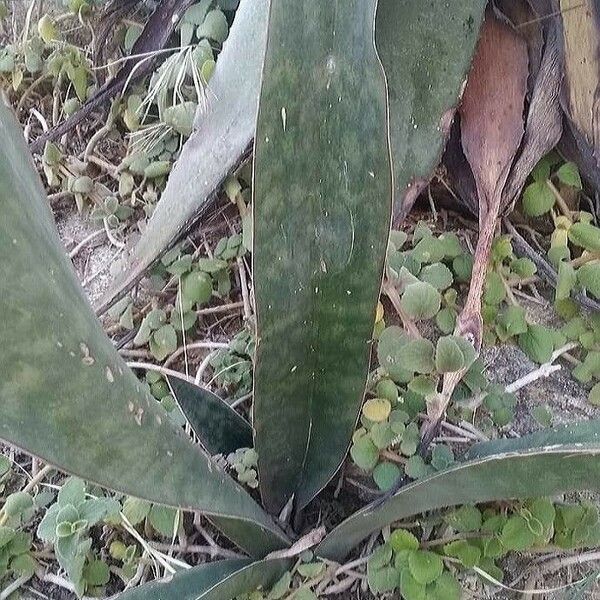
- 🍃 Leathery Sword Leaves: The foliage consists of stiff, sword-shaped leaves that grow in dense, exploding rosettes at the ends of woody branches.
- 🪵 Sculptural Trunk: Over time, it develops a thick, grey-brown trunk that branches out, giving it the look of a prehistoric miniature tree.
- 🍒 Vibrant Berries: After its clusters of small, fragrant white flowers bloom, the plant produces striking, pea-sized berries that turn a bright, waxy orange or red.
🏡 In Your Garden
- ⛰️ The Mountain Habit: Because it naturally grows on limestone cliffs, this plant demands exceptional drainage. It thrives in a "gritty" soil mix—similar to what you would use for a cactus—to prevent root rot.
- ☀️ Sun Seeker: Unlike its more common "Corn Plant" cousins that prefer shade, Dracaena forskaliana loves bright, indirect light and can even tolerate some direct morning sun once it is established.
- 💧 Drought Specialist: This is a "set it and forget it" plant. Its thick leaves are built to store moisture, meaning it prefers to dry out completely between waterings.
⚠️ Safety & Toxicity
- 🐾 Toxic to Pets: Like most members of the Dracaena genus, this plant contains saponins which are harmful to domestic animals.
- 🤢 Symptoms: If chewed or ingested by cats or dogs, it can cause vomiting, drooling, and dilated pupils. It is best kept on a high pedestal or in a room where pets aren't allowed to roam freely.
✨ Fun Fact
This plant was named in honor of Peter Forsskål, an 18th-century explorer and student of the famous botanist Carl Linnaeus. Forsskål documented this species during a perilous expedition to Yemen, where he unfortunately passed away before he could see his discoveries published.

Detailed Care Instructions

Place in a window with dappled sun or a spot in the middle of a room. Or directly in a window facing west or east.

When the top few inches of soil dry out, water your plants. If the top few inches of soil are still moist, do not water your plant. Wait a few days, then poke your finger into the soil to see if anything has changed. Overwatering poses a disease risk, such as the development of fungal diseases in the roots. These plants have adaptations in there leaves that allow them to survive in low water supply.
These plants can thrive without taking help from any fertilizer. However, if the medium of growth is something other than soil for instance sand then you may need to add little fertilizer. The best way to know if your plants need fertilizer or not is to check for yellowing of leaves. If the leaves start to turn yellow it’s fertilizing time.
You may use All Purpose Plant Food or Green Plant Food or Cactus Fertilizer for your Dracaena Forskaliana
Common pests of the dracaena forskaliana include Scale insect, mealybugs. Make a habit of checking your dracaena forskaliana frequently for pests so that any infestations can be caught and managed early.








