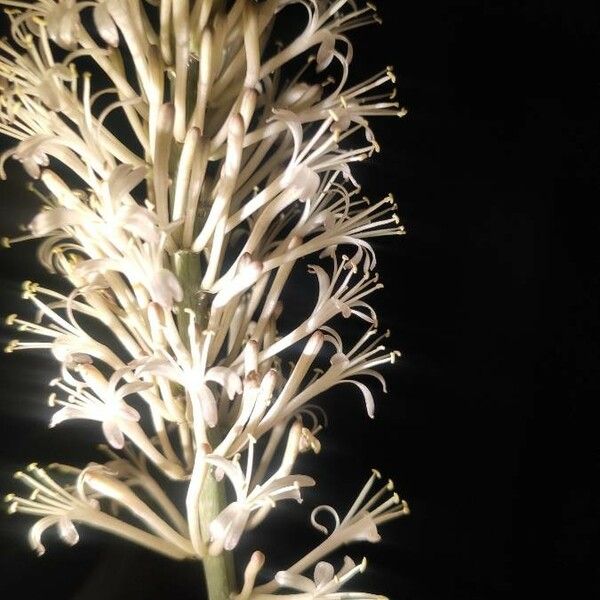
Plant Overview
Often called the "Spiky Snake Plant" or "Miniature Spear," Dracaena francisii is a structural masterpiece from the dry regions of Kenya. Unlike its taller, flatter cousins, this species grows in tight, spiraling rows of stiff leaves that give it a prehistoric, almost alien appearance. It is a slow-growing favorite for collectors who want the legendary "indestructibility" of a Snake Plant but with a unique, architectural twist.
🔍 How to Identify
- 🌵 Leaf Arrangement: The leaves grow in a distinct five-ranked spiral pattern, creating a dense, cylindrical column of foliage.
- 🗡️ Leaf Shape: Each leaf is short, thick, and tapers to a very sharp, needle-like point at the tip.
- 🦓 Texture and Color: The dark green leaves often feature subtle, light-green horizontal banding and a shallow "channel" or groove running down the top surface.
🏡 In Your Garden
- 🧱 Structural Growth: As the plant matures, it produces "stolons"—long runners that creep along the ground to sprout new "pups." This makes it look like a miniature, spiky forest in a wide pot.
- 💧 The Drought Connection: Because it is native to rocky, arid landscapes, its roots are sensitive to moisture. It prefers a "soak and dry" method; if the soil stays damp for too long, the plant’s base will soften and rot.
- ☀️ Light Flexibility: While it can survive in dim office corners, bright indirect light will help it maintain its compact shape and prevent the stems from becoming "leggy" or stretched.
⚠️ Safety & Toxicity
- 🐾 Status: Toxic to Pets.
- 🤢 Details: Like all members of the Dracaena (formerly Sansevieria) family, it contains saponins. If chewed by cats or dogs, it can lead to drooling, nausea, vomiting, and diarrhea. Keep it on a high shelf away from curious nibblers.
✨ Fun Fact
Dracaena francisii is a "CAM" plant (Crassulacean Acid Metabolism). While most plants release oxygen during the day, this spiky survivor opens its pores at night to exchange gases, meaning it actually produces oxygen while you sleep—making it one of the best plants for a bedroom!

Detailed Care Instructions
To grow a Dracaena francisii plant, you can follow these steps:
- Purchase a healthy Dracaena francisii plant from a nursery or garden center.
- Choose a suitable pot with drainage holes that is slightly larger than the root ball of the plant.
- Fill the pot with well-draining soil, such as a mix of potting soil and perlite or sand.
- Gently remove the plant from its original container and loosen the roots if they are tightly packed.
- Place the plant in the new pot, ensuring that the top of the root ball is level with the rim of the pot.
- Fill in the remaining space around the roots with soil, pressing it down gently to eliminate any air pockets.
- Water the plant thoroughly until excess water drains out from the bottom of the pot. Remember to never let the plant sit in standing water.
- Place the Dracaena francisii in a location with bright, indirect light. It can tolerate some shade but avoid direct sunlight as it can scorch the leaves.
- Maintain a temperature range of around 60-75°F (15-24°C), as this plant prefers slightly warmer conditions.
- Water the plant when the top inch (2.5 cm) of soil feels dry to the touch. Be careful not to overwater, as excessive moisture can lead to root rot.
- Feed the plant with a balanced, water-soluble fertilizer once every two months during the growing season (spring to summer).
- Prune the plant to maintain its desired shape and remove any dead or yellowing leaves. This will promote new growth and keep the plant healthy.
- Keep an eye out for any pests, such as spider mites or mealybugs. If you notice any infestation, use an appropriate insecticidal soap or treatment to eliminate the pests.
- Repot the Dracaena francisii every two to three years or when it outgrows its pot. Choose a pot that is larger by only a size or two to prevent excessive root growth.

Place in a bright room that is sun drenched almost all day. Or directly in a south-facing window.

To water a Dracaena Francisii plant, it is important to consider the specific needs of this particular species. Here are some guidelines for watering this plant:
1. Assess the moisture level: Before watering, check the soil moisture level by inserting your finger about an inch deep into the soil. If it feels moist, hold off watering for a few more days. If it feels dry or slightly dry, it's time to water.
2. Use room temperature water: When watering Dracaena Francisii, it is recommended to use room temperature water. Avoid using cold water as it can shock the roots. Allow tap water to sit overnight, as it will help to remove any chlorine or other chemicals before use.
3. Water thoroughly but moderately: When watering, aim for thorough saturation of the soil. Apply water until it begins to flow out of the drainage holes at the bottom of the pot. However, avoid overwatering, which can lead to root rot and other issues. Allow excess water to drain completely.
4. Water when the topsoil feels slightly dry: Dracaena Francisii prefers its soil to dry out slightly between watering sessions. Watering frequency may vary depending on factors such as the pot size, humidity levels, and environmental conditions. As a general guideline, water the plant when the top inch of soil feels dry to the touch.
5. Consider the season and temperature: Adjust your watering schedule according to the season and temperature fluctuations. During warmer months, the plant may require more frequent watering, while in winter, the frequency may decrease. Monitor the moisture level and adjust as needed.
6. Avoid waterlogging: Dracaena Francisii plants are sensitive to standing water, so it's crucial to never let the plant sit in excess water. Empty the saucer or tray beneath the pot after watering to avoid waterlogging.
7. Observe the plant's response: Pay attention to how the plant responds to watering. If the leaves are turning yellow, drooping, or becoming mushy, it may indicate overwatering. On the other hand, if the leaves appear droopy, wrinkled, or brown on the tips, it could be a sign of underwatering. Adjust the watering frequency accordingly based on these visual cues.
Remember, these guidelines are general and might need to be fine-tuned based on the specific conditions in which your Dracaena Francisii plant is growing. Regularly assessing the soil moisture and being attentive to the plant's needs will allow you to establish an appropriate watering routine for its optimal health.
- Start by obtaining a balanced liquid fertilizer specifically formulated for indoor plants.
- Dilute the fertilizer according to the manufacturer's instructions. Most products recommend a dilution ratio of 1:2 or 1:4 (fertilizer to water).
- Pour the diluted fertilizer into a watering can or sprayer, depending on your preferred method of application.
- Ensure that the soil of the Dracaena Francisii plant is moist before applying the fertilizer. If the soil feels dry, water the plant lightly and wait for a few minutes.
- Carefully pour the diluted fertilizer onto the soil around the base of the plant. Take care not to let the fertilizer splash onto the leaves or stem, as this may cause damage.
- For potted plants, apply the fertilizer until the soil is evenly saturated. Allow any excess fertilizer to drain out through the drainage holes in the pot.
- If using a sprayer, gently mist the foliage and soil with the diluted fertilizer solution, ensuring that the entire plant is lightly coated.
- After fertilizing, thoroughly rinse the leaves and stem of the plant with clean water to remove any residue that may have splashed onto them.
- Repeat the fertilization process every 2-4 weeks during the plant's active growing season (usually spring through summer). Reduce or discontinue fertilization during the plant's dormancy period in fall and winter.
- Monitor the health and growth of the Dracaena Francisii plant after fertilizing. If the foliage starts to yellow or if you notice any signs of fertilizer burn, adjust the dilution ratio or reduce the frequency of fertilization.
When selecting soil for the Dracaena Francisii plant, it is important to consider certain characteristics to promote optimal growth. A well-draining soil mix is crucial for this plant's overall health, as it dislikes constantly wet conditions. A mixture that combines organic matter and inorganic materials, such as perlite or sand, is typically recommended.
Organic matter-rich soil aids in retaining some moisture while also offering essential nutrients. It enhances the plant's ability to access these nutrients, assisting in its growth and overall vitality. Additionally, organic matter provides a favorable environment for beneficial microorganisms that improve soil structure and nutrient availability.
Inorganic components like perlite or sand increase drainage and aeration, preventing excess water retention and encouraging a healthier root system. The increased porosity of the soil ensures that water flows through easily, preventing the risk of root rot or other water-related issues.
It is worth noting that the Dracaena Francisii plant prefers slightly acidic to neutral soil with a pH range of around 6 to 7. This ensures optimal nutrient uptake and overall health.
When potting the Dracaena Francisii plant, it is advisable to fill the pot with the chosen soil mixture, leaving adequate space for the root ball and ensuring good contact between the soil and roots. This will promote efficient water and nutrient absorption by the plant.
Regularly monitoring soil moisture levels and adjusting watering routines accordingly are essential for maintaining the plant's health. Watering should be done when the top inch of soil feels dry to the touch. In drier climates or during warmer months, more frequent watering may be necessary.
Overall, a well-draining soil mix that combines organic matter and inorganic components like perlite or sand would be an ideal choice for the Dracaena Francisii plant, providing the necessary conditions for its growth and development.
Dracaena Francisii is a popular houseplant that can be propagated through various methods. Here is a step-by-step guide on how to propagate the Dracaena Francisii plant:
- Start by selecting a healthy parent plant. Look for a mature Dracaena Francisii with well-developed stems and leaves. Ensure that the parent plant is free from any pests or diseases.
- Sterilize a sharp knife or pruning shears with rubbing alcohol or a bleach solution to prevent the spread of any potential infections.
- Identify a suitable stem from the parent plant to use for propagation. Look for a stem that is around 3-4 inches long and has a few healthy leaves located towards the top.
- Make a clean, angled cut just below a node on the selected stem. A node is a small bump on the stem where leaves or branches sprout. This is where the roots will develop.
- Remove any leaves from the lower half of the stem, leaving only a few at the top. This helps to reduce moisture loss and directs energy towards root development.
- Prepare a suitable propagation medium. Dracaena Francisii can be propagated in either water or a well-draining soil mix. If using water, fill a glass or jar with water and place the stem inside, ensuring that at least one node is submerged. Change the water every few days to avoid stagnation. Alternatively, use a well-draining mixture of peat moss and perlite or a similar soilless mix.
- If using a soil mix, make a small hole in the propagation medium using a pencil or your finger. Place the prepared stem in the hole, ensuring that the node is covered with the soil mix.
- Water the propagated stem lightly, ensuring that the soil or water remains moist but not waterlogged.
- Place the propagated stem in a warm location with bright, indirect light. Avoid direct sunlight as it may scorch the leaves. A temperature range between 65-75°F (18-24°C) is ideal for successful rooting.
- Mist the leaves occasionally to provide some humidity, especially if using a soil mix.
- Monitor the propagation regularly and ensure that the soil or water doesn't dry out completely. Rooting typically takes several weeks to a few months, depending on the conditions and plant health.
- Once the newly propagated stem has developed a healthy root system, it can be transplanted into a suitable pot filled with well-draining soil. Plant it at the same depth it was previously growing at.
Remember to be patient during the propagation process, as it can take some time for roots to develop. With careful attention and proper care, you can successfully propagate a Dracaena Francisii plant and create new specimens to enjoy or share with others.
Common pests of the sansevieria include Scale insect. Make a habit of checking your sansevieria frequently for pests so that any infestations can be caught and managed early.








