Plant Overview
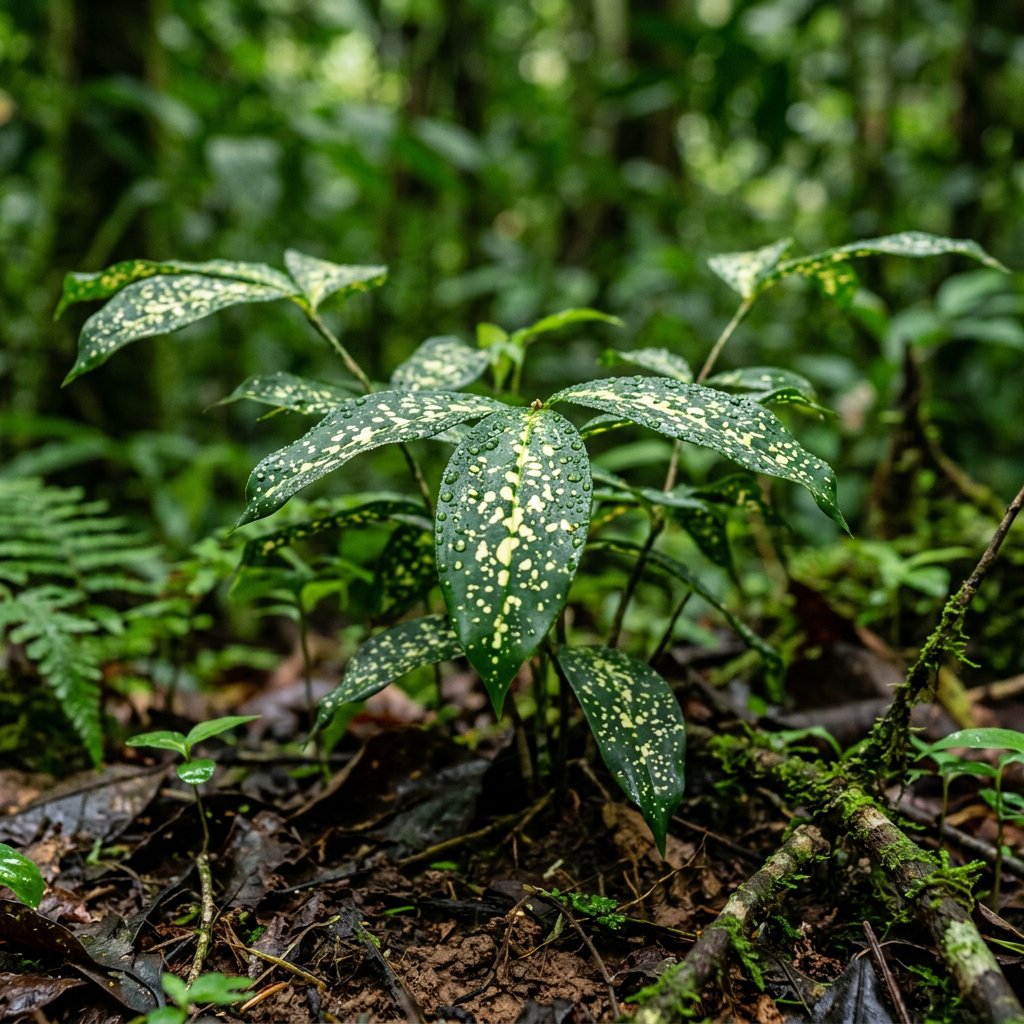
Often mistaken for a species of bamboo due to its slender, wiry stems, Dracaena surculosa is famously known as the Gold Dust Dracaena. Unlike its upright, tree-like cousins, this West African native grows into a lush, spreading shrub. Its leaves look as though an artist accidentally flicked a brush of yellow paint across a deep green canvas, earning it the nickname "Florida Beauty."
🔍 How to Identify
- 🍃 The Leaf Pattern: Elliptical, glossy leaves heavily dappled with creamy-white or yellow spots that resemble star charts or gold dust.
- 🎋 Bamboo-like Stems: Slender, upright, and reed-like stems that branch out, giving the plant a delicate, airy silhouette compared to the thick-trunked "Corn Plant."
- 🌸 Fragrant Blooms: Occasionally produces clusters of small, white, highly scented flowers that open at night, though these are a rare treat in typical indoor environments.
🏡 In Your Garden
- 🌤️ Light and Color: To keep those "gold" spots vibrant, it needs bright, indirect light. In deep shade, the variegation may fade back to solid green, while direct noon sun can easily scorch the delicate leaf tips.
- 💧 Thirst for Humidity: Originating from tropical rainforests, it thrives with extra moisture in the air. If your home is dry, the leaf edges might turn brown and crisp; it appreciates a pebble tray or being grouped with other plants to create a humid microclimate.
⚠️ Safety & Toxicity
- 🐾 Toxic to Pets: Like all members of the Dracaena family, this plant contains saponins.
- ⚠️ The Risk: If ingested by cats or dogs, it can cause vomiting, drooling, and dilated pupils in cats. It is best kept on high shelving or in rooms where curious pets don't wander.
✨ Fun Fact
While most Dracaenas are known for their "dragon-blood" red sap and tall, palm-like appearance, Surculosa is the rebel of the family—it is one of the few species that grows as a "clumping" shrub rather than a single-stemmed tree.

Detailed Care Instructions
| Humidity | High |
| Lighting | Part Sun |
| Toxicity | Poisonous |
| Difficulty | Easy |
| Hibernation | Cold Period |
| Temperature | 18°C - 25°C |
| Hardiness Zones | 9A - 11B |
To grow Dracaena Surculosa, also known as Dracaena Gold Dust or Dracaena Florida Beauty, you can follow the following steps:
- Choose the right location: Dracaena Surculosa prefers bright, indirect sunlight, so place it near a window where it can receive filtered sunlight or in a partially shaded area.
- Temperature and humidity: The ideal temperature for this plant is between 65-80°F (18-27°C). It can tolerate lower temperatures but avoid exposing it to temperatures below 55°F (13°C). Dracaena Surculosa prefers humidity, so misting the leaves or using a humidifier can be beneficial, especially in dry indoor environments.
- Watering: Water your Dracaena Surculosa thoroughly, allowing the top inch of soil to dry out between waterings. Overwatering can lead to root rot, so it's important not to let the plant sit in soggy soil.
- Soil and potting: Use a well-draining potting mix containing peat moss, perlite, or sand. A shallow and wide pot is suitable as it allows the roots to spread. Ensure the pot has drainage holes to prevent waterlogging.
- Fertilizing: During the growing season (spring and summer), feed your Dracaena Surculosa with a balanced houseplant fertilizer or a diluted liquid fertilizer every two weeks. Reduce or stop fertilization during winter when the plant is dormant.
- Pruning: Prune the plant to remove any yellow or damaged leaves. Trimming the plant also encourages new growth and maintains its compact shape.
- Propagation: Dracaena Surculosa can be propagated through stem cuttings. Take a healthy stem cutting with at least two nodes and place it in water or a well-draining potting medium. Keep it warm and moist until roots develop, then transplant it into a new pot.
- Repotting: It's recommended to repot the plant every 2-3 years or when the roots are crowding the pot. Choose a pot one size larger, and ensure the new pot has drainage holes.
By following these guidelines, you can successfully grow Dracaena Surculosa and enjoy its beautiful foliage. Remember to keep an eye on any signs of pests or diseases and address them promptly to maintain a healthy plant.

Place in a window with dappled sun or a spot in the middle of a room. Or directly in a window facing west or east.

To water this plant, first, you should check the soil to ensure it is dry to a depth of about an inch before watering. Then, fill a watering can with clean, room temperature or lukewarm water and pour water into the soil around the base of the plant until it starts to run out of the drainage holes. It is important not to let the plant sit in standing water. You should also avoid getting the leaves wet as this can lead to the growth of fungal diseases. In general, this plant prefers to be slightly under-watered rather than over-watered, so be careful not to overdo it with watering.
To fertilize this plant, use a balanced fertilizer with equal amounts of nitrogen, phosphorus, and potassium. Dilute the fertilizer to half strength and apply it every three to four weeks during the growing season (spring and summer). Avoid fertilizing in the winter when the plant is dormant. Be sure to thoroughly water the plant before and after fertilizing to avoid burning the roots.
When planting a Dracaena Surculosa plant, it is important to choose the right soil. This plant thrives in soil that is well-draining and holds moisture well, but is not too compacted. A mixture of peat moss, perlite, and vermiculite is ideal for this type of plant. Peat moss is used to add organic matter to the soil and help retain moisture, while perlite and vermiculite improve drainage. It is important to avoid using heavy soils that contain high amounts of clay or silt, as these can cause water to pool at the roots and lead to root rot. Additionally, using a fertilizer rich in nitrogen can help to promote healthy growth and foliage. When planting, it is also important to ensure that the soil pH is balanced and appropriate for the plant’s needs.
To propagate this plant, take a stem cutting that has at least one node. The node is where the roots will grow from. Cut the stem just below the node with a sharp, clean knife or pair of scissors. Remove any leaves or branches from the bottom half of the stem, leaving a few leaves at the top.
Prepare a small pot with well-draining soil and make a hole for the stem cutting. Dip the cut end of the stem into rooting hormone powder if desired. Then, place the stem cutting into the hole and gently press soil around it. Water the cutting thoroughly and place it in a bright but indirect light. Keep the soil moist but not waterlogged.
Roots should begin to form within a few weeks. You can gently tug the stem after a few weeks to see if there is any resistance, indicating that roots have formed. Once the cutting has rooted and begins to grow, you can move it to a larger container or plant it in its permanent location.
Common pests of the gold dust dracaena include Mealybugs, spider mites, fungus gnats, thrips. Make a habit of checking your gold dust dracaena frequently for pests so that any infestations can be caught and managed early.








