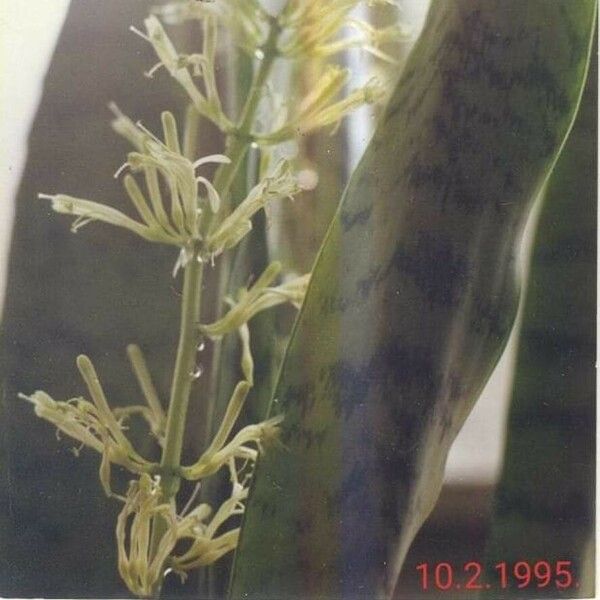
Plant Overview
Often called the "Bowstring Hemp," Dracaena zeylanica (formerly classified as Sansevieria) is the ultimate "tough-love" plant. Native to the rocky drylands of Sri Lanka, its incredibly strong leaf fibers were historically used to weave bowstrings for hunters. Today, it is celebrated as an architectural masterpiece for modern homes, prized for its ability to thrive in corners where other plants might wither.
🔍 How to Identify
- 🌿 Sword-Like Foliage: The leaves are long, rigid, and taper to a point, growing vertically in a tight, upright rosette.
- 🎨 Mottled Patterns: Unlike its "Laurentii" cousin with yellow edges, the Zeylanica is distinguished by its dark, "forest-green" base covered in lighter, silvery-green horizontal wavy stripes.
- 🌵 Succulent Texture: The leaves are thick and leathery to the touch, a physical adaptation that allows the plant to store water for long periods.
🏡 In Your Garden
- 💧 Drought Specialist: This plant thrives on neglect. It stores moisture in its leaves and rhizomes, meaning it is far more likely to die from "too much love" (overwatering) than from being forgotten for a month.
- 🌤️ Light Versatility: While it is famous for surviving in dim office corners, it is actually a sun-lover at heart. Placing it in bright, indirect light will reward you with faster growth and more vibrant green patterns.
- 🏺 Room to Breathe: It prefers being "root-bound" in smaller pots. Because its root system is shallow, it doesn't need a massive container, which helps prevent the soil from staying wet for too long.
⚠️ Safety & Toxicity
- 🚫 Toxic to Pets: Dracaena zeylanica contains saponins, which act as a natural defense mechanism for the plant but are toxic to animals.
- 🐾 Symptoms: If chewed on by curious cats or dogs, it can cause gastrointestinal upset, drooling, vomiting, and lethargy. It is best kept on high shelves or stands away from nibbling pets.
✨ Fun Fact
This plant is a "nocturnal worker." Unlike most plants that release CO2 at night, the Zeylanica is one of the few species that continues to convert carbon dioxide into fresh oxygen after the sun goes down, making it one of the best plants to keep in your bedroom for better air quality while you sleep!

Detailed Care Instructions
To grow a Dracaena Zeylanica plant successfully, follow these steps:
- Location: Choose a bright indoor spot with indirect sunlight for your Dracaena Zeylanica. Avoid placing it in direct sunlight as it can scorch the leaves.
- Temperature: This plant prefers average room temperatures between 65-80°F (18-27°C). Protect it from drafts and sudden temperature changes.
- Watering: Water the plant when the top inch of the soil feels dry. Avoid overwatering, as it can lead to root rot. Allow excess water to drain out from the bottom of the pot.
- Humidity: Dracaena Zeylanica plants prefer moderate to high humidity levels. You can increase humidity by misting the leaves regularly or placing a humidifier nearby.
- Soil: Use well-draining, peat-based potting soil mixture. Make sure the pot has drainage holes to prevent waterlogging.
- Fertilization: Feed your plant with a balanced liquid fertilizer once a month during the growing season (spring and summer). Follow the instructions on the fertilizer package for proper dosage.
- Pruning: Regularly remove any dead or yellowing leaves to maintain the plant's health and appearance. You can also prune the plant to control its size and shape if needed.
- Repotting: Dracaena Zeylanica plants do not require frequent repotting. Repot only when the roots outgrow the current pot, usually every few years. Use a slightly larger pot with fresh potting soil.
- Pest control: Monitor the leaves regularly for signs of pests such as spider mites or mealybugs. If infested, wipe the leaves with a damp cloth or use insecticidal soap to eliminate the pests.
- Propagation: Dracaena Zeylanica can be propagated through stem cutting or by air layering. However, propagation can be a bit challenging, so it might be easier to purchase a new plant instead.
By following these guidelines, you should be able to grow a healthy Dracaena Zeylanica plant and enjoy its beautiful foliage.

Place in a window with dappled sun or a spot in the middle of a room. Or directly in a window facing west or east.

Dracaena Zeylanica, a popular houseplant, requires proper watering to ensure its health and vitality. Here are some tips to effectively water this plant:
1. Assess the moisture levels: Before watering, check the moisture levels of the soil by sticking your finger about an inch deep into the soil. If it feels dry, it's time to water.
2. Use filtered or distilled water: To avoid mineral buildup, it is best to water Dracaena Zeylanica with filtered or distilled water. If tap water is your only option, allow it to sit for at least 24 hours before using it to let any chlorine dissipate.
3. Watering method: Pour water at the base of the plant directly into the soil, avoiding the leaves and stems. This helps prevent the occurrence of waterlogged soil and minimizes the risk of fungal diseases.
4. Water quantity: Provide sufficient water until it starts to drain from the bottom of the pot. This ensures that the roots receive an adequate amount of hydration without overwatering. However, make sure to empty any excess water from the drainage tray to prevent water accumulation.
5. Frequency of watering: Dracaena Zeylanica prefers slightly moist soil rather than being constantly wet or dry. A good general rule is to water the plant when the top inch of the soil feels dry. The frequency depends on various factors such as humidity, temperature, and the size of the plant, so it's important to regularly monitor the soil moisture.
6. Adjusting watering during seasons: In general, reduce the watering frequency during cooler months or when the plant is in a dormant phase. During warmer months or when the plant is actively growing, increase the frequency slightly to accommodate its needs.
7. Monitor signs of overwatering or underwatering: Look out for signs such as yellowing or drooping leaves, which may indicate overwatering. On the other hand, wilted or excessively dry soil can indicate underwatering. Adjust your watering routine accordingly to maintain a balanced moisture level.
Remember that specific care requirements might vary depending on various factors such as the plant's location, potting mix, and environmental conditions. Regularly observe the plant's response to your watering routine and adjust as needed to promote the health and growth of your Dracaena Zeylanica plant.
Here are the fertilizing instructions for the Dracaena Zeylanica plant:
- Use a balanced, water-soluble fertilizer specifically designed for houseplants.
- Dilute the fertilizer according to the instructions on the packaging. Generally, using half the recommended dosage is sufficient for Dracaena Zeylanica.
- Water the plant thoroughly before applying fertilizer to prevent root burn.
- Apply the diluted fertilizer to the soil around the plant, being careful not to get it on the leaves or stem.
- Fertilize the Dracaena Zeylanica once every 2-3 months during the growing season, which typically spans spring and summer.
- Reduce or stop fertilizing during the dormant period in fall and winter when the plant's growth slows down.
- Always follow the specific instructions provided by the fertilizer manufacturer and adjust the fertilization schedule based on the plant's response and individual needs.
Dracaena Zeylanica is a popular indoor plant that belongs to the Asparagaceae family. When it comes to selecting the right soil for this plant, certain factors need to be considered.
- Well-draining: Dracaena Zeylanica prefers soil that allows excess water to drain freely. This prevents waterlogging and root rot issues. Therefore, a well-draining soil is recommended.
- Moisture retention: While it needs good drainage, the soil should also be able to retain some moisture. This helps in maintaining the ideal moisture level for the plant and prevents the soil from drying out too quickly.
- pH level: The optimal soil pH for Dracaena Zeylanica is slightly acidic to neutral, ranging from 6.0 to 7.5. This range supports proper nutrient uptake for the plant.
- Nutrient-rich: The soil should be enriched with organic matter and nutrients to support healthy growth. Adding compost or well-rotted manure can improve the soil's fertility.
- Light and airy: Dracaena Zeylanica prefers a soil that is light and airy, allowing for root aeration and preventing compaction. This type of soil promotes healthy root development and overall plant vigor.
- Suitable texture: The soil texture should be somewhat sandy or loamy. This allows adequate drainage and prevents the soil from becoming too compacted, ensuring healthy root growth.
- Sterile and free of pests: When using soil for Dracaena Zeylanica, it is important to ensure that it is sterilized and free from pests or diseases. This helps maintain a healthy plant environment and reduces the risk of introducing harmful organisms to the plant.
Overall, a well-draining, slightly acidic to neutral, nutrient-rich soil with good moisture retention and suitable texture is ideal for the successful growth of Dracaena Zeylanica plant.
Propagation of Dracaena zeylanica can be done through various methods like stem cuttings, air layering, and division. Here is a detailed guide on propagating Dracaena zeylanica:
- Stem Cuttings:
- Select a healthy stem that is about 4-6 inches long and has several leaves.
- Using a sterilized knife or scissors, make a clean cut just below a node (an area where the leaf grows).
- If desired, you can dip the cut end of the stem in a rooting hormone to encourage root development, although it is not necessary.
- Fill a small pot with well-draining soil, preferably a mixture of perlite, peat moss, and sand.
- Insert the cut end of the stem about an inch or two into the soil, ensuring it stands upright.
- Mist the soil lightly with water to provide some moisture.
- Place the pot in a warm location with indirect sunlight, preferably near a window.
- Keep the soil moist but not overly wet, as excessive moisture can lead to root rot.
- Within a few weeks, you should notice new roots emerging from the stem cutting. At this point, you can treat it as a mature plant.
- Select a healthy stem that is about 4-6 inches long and has several leaves.
- Air Layering:
- Select a healthy, mature stem that has several leaves and is about a foot long.
- Locate a section on the stem where you want to create an air layer. It's typically done on a straight, healthy-looking section.
- With a sterilized knife, make a horizontal cut through the stem, about one-third of the way deep.
- Above the cut, make a vertical cut that connects to the horizontal cut, creating a small flap in the stem.
- Apply a rooting hormone to the exposed area and cover it with moist sphagnum moss.
- Wrap the moss-covered section with plastic wrap to retain moisture and secure it firmly.
- Keep the moss moist by misting it regularly.
- After a few weeks, you should notice roots starting to form within the moss.
- Once the roots are well-developed, cut the stem below the air layer, ensuring you have a healthy section with roots intact. Plant it in a suitable pot with well-draining soil.
- Select a healthy, mature stem that has several leaves and is about a foot long.
- Division:
- For this method, you will need an established Dracaena zeylanica plant that has multiple stems or clusters.
- Carefully remove the plant from its pot and gently separate the individual stems.
- Ensure that each stem has a healthy root system attached to it.
- Prepare new pots with well-draining soil.
- Plant each stem in a separate pot, ensuring that the soil level remains the same as it was in the original pot.
- Water the newly planted divisions thoroughly and place them in a warm location with indirect light.
- Maintain appropriate moisture levels by watering when the top inch of soil feels dry.
- With time, the divided stems will establish their own root systems and grow into individual plants.
- For this method, you will need an established Dracaena zeylanica plant that has multiple stems or clusters.
Common pests of the snake plant include Scale insect. Make a habit of checking your snake plant frequently for pests so that any infestations can be caught and managed early.








