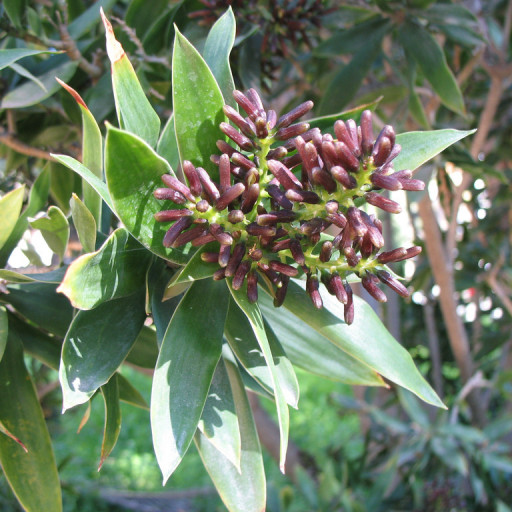
Plant Overview
Widely cherished as the "Song of India," the Dracaena reflexa is a slow-growing masterpiece of the plant world. Originating from the lush islands of the Indian Ocean, such as Madagascar and Mauritius, this plant is famous for its spiraling, architectural foliage. It carries an air of tropical elegance and is often used by interior designers to add a vertical, sculptural element to modern homes.
🔍 How to Identify
- 🍃 Spiral Foliage: The leaves are lance-shaped and grow in a tight, overlapping spiral pattern around the stem, giving it a dense, tufted appearance.
- 🎨 Vibrant Variegation: Most popular varieties feature rich green centers with thick, creamy-yellow or lime-green margins that brighten any corner.
- 🎋 Woody Reflexed Stems: As it matures, the lower leaves fall off to reveal a tan, woody stem that often curves or "reflexes" gracefully rather than growing perfectly straight.
🏡 In Your Garden
- ☀️ Light Sensitivity: While it survives in low light, the "Song" loses its melody without brightness. To keep those yellow stripes vivid, provide bright, indirect sunlight; too much shade causes the variegation to fade into a solid, dull green.
- 💧 The Drought Connection: Because it is native to island thickets, it has adapted to handle occasional dry spells. It is highly sensitive to "wet feet," so ensure the soil is chunky and well-draining to prevent the dreaded root rot.
- ✂️ Pruning for Shape: If your plant becomes too leggy or tall, don't be afraid to top it. Cutting the stem encourages the plant to "fork," resulting in a bushier, multi-headed specimen that looks much lusher over time.
⚠️ Safety & Toxicity
- 🐾 Pet Warning: Like many members of the Dracaena family, this plant contains saponins. It is considered toxic to cats and dogs.
- 🤢 Symptoms: If ingested, it can cause vomiting (sometimes with blood), drooling, and dilated pupils in cats. It is best kept on high stands away from curious nibblers.
✨ Fun Fact
The Dracaena reflexa was one of the superstar plants featured in the famous NASA Clean Air Study. It was proven to be highly effective at scrubbing common household toxins like formaldehyde, benzene, and trichloroethylene from the air!

Detailed Care Instructions
To grow Dracaena reflexa (also known as Song of India or Pleomele) plant, you can follow these steps:
- Choose a suitable location: Dracaena reflexa thrives in bright, indirect light. Select a location near a window that receives filtered sunlight or a well-lit area in your home.
- Provide the right temperature and humidity: The plant prefers temperatures between 60-75°F (15-24°C). It can tolerate slightly lower temperatures but avoid exposure to cold drafts. Maintain moderate humidity levels by misting the plant occasionally.
- Use well-draining soil: Use a well-draining potting mix, such as one specifically formulated for indoor plants or a mix of peat, perlite, and sand.
- Water correctly: Allow the top inch (2.5 cm) of soil to dry between waterings, then thoroughly water the plant until water drains out of the bottom of the pot. Avoid overwatering, as it can cause root rot. Reduce watering during winter when the plant goes into its dormant phase.
- Fertilize regularly: Apply a balanced houseplant fertilizer at half the recommended strength every 2-3 months from spring to fall. Avoid fertilizing during winter when the plant is not actively growing.
- Prune and shape: Trim off any dead or yellow leaves regularly. If you want to shape the plant, pinch or prune the stems to encourage branching.
- Repot when necessary: When the plant becomes root-bound or outgrows its pot, repot it into a larger container using fresh potting soil.
- Watch out for pests: Keep an eye out for common indoor pests like spider mites, mealybugs, or scale insects. If you notice any signs of infestation, promptly treat the plant with an appropriate insecticidal soap or neem oil.
Remember to research the specific needs of your Dracaena reflexa, as different varieties within the species may have slight variations in requirements.
Dracena Reflexa plants need regular watering to keep them healthy and thriving. When watering this type of plant, it is important to make sure that the soil is completely soaked, but not waterlogged. To do this, you should water the plant thoroughly until water begins to drain out of the bottom of the pot. It is important to let the soil drain completely before returning the plant to its normal position.
You should aim to water Dracena Reflexa plants more frequently during the warmer months, as they tend to dry out more quickly in hot weather. During the cooler months, you can reduce the frequency of watering, but you should still make sure that the soil is never completely dry.
It is also important to avoid overwatering Dracena Reflexa plants, as this can lead to root rot and other fungal infections. In general, you should aim to water this type of plant once a week, but you may need to adjust the frequency based on the specific conditions of your home or office.
To help maintain the health of your Dracena Reflexa plant, you should also ensure that it is planted in well-draining soil and that the pot has holes at the bottom to allow excess water to drain away. Additionally, you should avoid placing the plant in direct sunlight or in extremely cold or hot environments, as this can cause the leaves to discolor or wilt.
To fertilize the plant, you should obtain a balanced fertilizer and ensure it is diluted according to the manufacturer's instructions. During the active growing season, apply the fertilizer every two weeks. During the dormant season, decrease fertilization to once a month. Be sure to water the plant before applying the fertilizer to avoid damage to the roots.
The best soil for this plant is a well-draining, moist potting mix with a slightly acidic pH level. It should be rich in organic matter and contain perlite or vermiculite to improve drainage. Avoid using heavy garden soil or soil mixes that contain a lot of clay as they can retain too much water and suffocate the plant's roots. Instead, choose a high-quality houseplant soil mix or make your own by combining peat moss, perlite, and sand in equal parts. The soil should be kept consistently moist but not waterlogged, and the plant should be allowed to dry out slightly between waterings.
To propagate this plant, you will need to take stem cuttings from a mature plant. Make sure to choose a healthy stem that has at least two to three leaf nodes, which are the areas where leaves emerge from the stem.
Using a sharp and clean knife or scissors, cut the stem at a 45-degree angle just below one of the leaf nodes. Remove any leaves that are located at the bottom of the stem, leaving only a few leaves at the top.
Prepare a pot with well-draining soil, and make a hole in the center of the soil using your finger or a pencil. Dip the bottom of the stem cutting in rooting hormone, which will help the plant develop roots faster.
Insert the stem cutting into the hole you made and gently press the soil around it to secure it in place. Water the soil thoroughly and place the pot in a location with bright, indirect light.
Make sure to keep the soil moist but not waterlogged, and avoid exposing the newly planted cutting to direct sunlight or extreme temperature changes. It can take several weeks to several months for the cutting to develop roots and begin to grow new leaves.
Once the cutting has developed roots and has grown to a suitable size, you can transplant it into a larger pot or a suitable outdoor location.







