Plant Overview
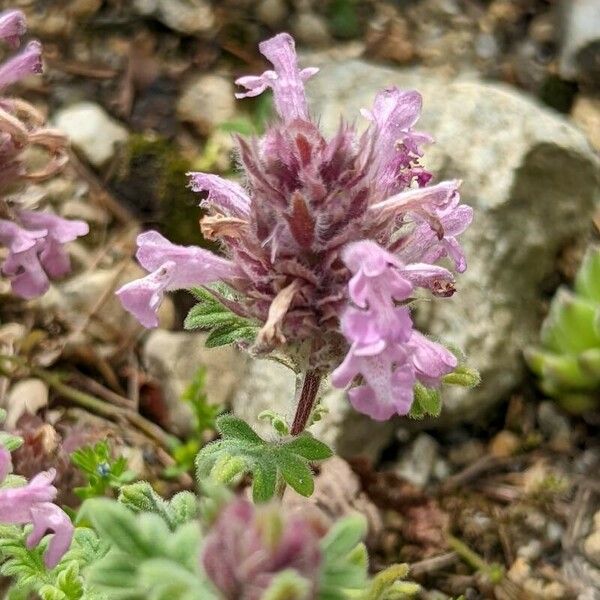
Often called the Clustered Dragonhead, this alpine treasure hails from the high, rocky slopes of the Caucasus Mountains. It is a rugged "mat-forming" perennial that looks like a silvery-green velvet carpet draped over the earth. Its name is inspired by the unique shape of its flowers, which resemble tiny, hooded dragon heads peering out from the foliage.
🔍 How to Identify
- 🐲 The "Dragon" Bloom: Clusters of tubular, lavender-to-purple flowers that feature a distinct "gaping mouth" or hooded upper lip.
- ❄️ Frosted Foliage: Small, deeply lobed leaves that are densely covered in fine white hairs, giving the plant a soft, silvery-grey or frosted appearance.
- 📏 Growth Habit: A low-growing creeper that stays close to the ground (usually under 6 inches), spreading outward to fill gaps between stones.
🏡 In Your Garden
- 🪨 The Alpine Rule: Because it evolved in mountain scree, this plant demands "sharp" drainage. It thrives in rock gardens or sandy soils where water never sits around the roots.
- ☀️ Sun Seeker: It loves basking in full sun; the silver hairs on its leaves actually act as a natural sunblock, helping it survive intense light and dry winds.
⚠️ Safety & Toxicity
- 🟢 Status: Generally non-toxic and safe for home gardens.
- 🐾 Details: There are no known toxic effects for cats, dogs, or horses. However, its fuzzy texture is meant to deter herbivores, so most pets will find it unappealing to chew on.
✨ Fun Fact
The genus name Dracocephalum comes directly from the Greek words draco (dragon) and kephale (head). If you squeeze the sides of a single flower gently, the "dragon's mouth" will pop open, much like a SnapDragon!

Detailed Care Instructions








