Plant Overview
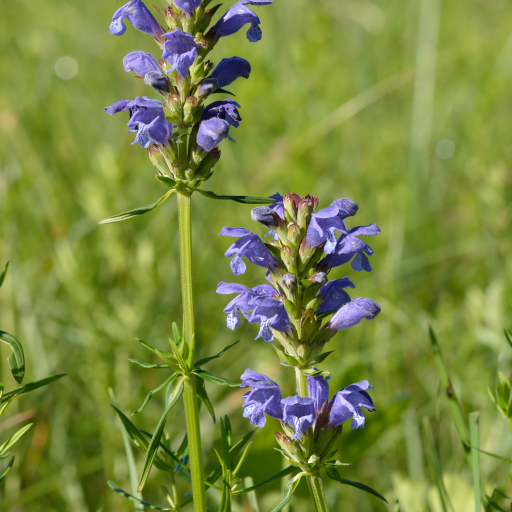
The Northern Dragonhead (Dracocephalum ruyschiana) is a rare and striking perennial that earns its name from its hooded, snapdragon-like flowers that look remarkably like the gaping maw of a tiny dragon. Originally hailing from the rocky meadows and sun-drenched slopes of Eurasia, this hardy survivor is prized by alpine gardeners for its intense blue-violet hues and its ability to withstand harsh conditions.
🔍 How to Identify
- 🐉 The "Dragon" Blooms: The most distinct feature is the cluster of deep blue or violet tubular flowers. Each bloom has a prominent upper lip (the hood) and a three-lobed lower lip, mimicking a dragon’s head.
- 🌿 Slender Foliage: Unlike many of its cousins with jagged leaves, the Northern Dragonhead features smooth-edged, narrow, lance-shaped leaves that grow in pairs along the stems.
- 📏 Upright Habit: It grows in neat, vertical clumps, typically reaching about 12 to 18 inches in height, making it a perfect mid-border plant for rock gardens.
🏡 In Your Garden
- ☀️ Sun Seeker: This plant is a true sun-worshipper. To keep those blue flowers vibrant and the stems sturdy, it needs a spot that mimics its native mountain slopes—bright, direct light is essential.
- 🪨 Drainage is Key: It hates "wet feet," especially during the winter months. It thrives in lean, gritty, or sandy soil. If your garden has heavy clay, consider planting it in a raised bed or a rockery to ensure water moves away from the roots quickly.
- 🦋 Pollinator Magnet: While it might look intimidating to some, bees and butterflies find the "dragon's mouth" irresistible and will frequently visit for a nectar snack.
⚠️ Safety & Toxicity
- ✅ Status: Generally considered non-toxic.
- 🐾 Details: There are no records of Dracocephalum ruyschiana being poisonous to dogs, cats, or horses. However, while some members of the mint family are used in teas, this specific species is primarily ornamental and should not be consumed in large quantities.
✨ Fun Fact
The species name ruyschiana was chosen to honor the famous 17th-century Dutch anatomist and botanist Frederik Ruysch, who was renowned for his incredible "cabinet of curiosities" and his contributions to botanical preservation.

Detailed Care Instructions
Here are some tips on how to grow Dracocephalum Ruyschiana plant:
- Choose a sunny location: Dracocephalum Ruyschiana prefers full sun to partial shade. Make sure the plant receives at least 6 hours of sunlight each day.
- Ensure well-draining soil: The plant prefers well-draining soil with a pH level between 6.0 and 7.5. Amend heavy clay soil with organic matter to improve drainage.
- Water regularly: Water the plant consistently to keep the soil moist but not waterlogged. Avoid overwatering, as excessive moisture can cause root rot.
- Provide adequate airflow: Good air circulation around the plant can prevent fungal diseases and promote healthy growth. Avoid overcrowding and allow enough space between plants.
- Fertilize occasionally: Feed the plant with a balanced fertilizer once a month during the growing season to promote strong growth and blooming.
- Mulch the soil: Apply a layer of mulch around the plant to help retain moisture, suppress weeds, and regulate soil temperature.
- Prune regularly: Trim back the plant after flowering to encourage new growth and maintain a compact shape. Remove any dead or damaged foliage throughout the growing season.
- Propagate by division: Divide mature plants in the spring or fall to create new, healthy plants. Dig up the plant and carefully separate the clumps, ensuring each division has roots attached.
By following these tips, you can successfully grow Dracocephalum Ruyschiana plant in your garden.

Place in a bright room that is sun drenched almost all day. Or directly in a south-facing window.

Dracocephalum Ruyschiana plants should be watered regularly to keep the soil consistently moist. It is important to water at the base of the plant to avoid getting water on the leaves, which can lead to fungal diseases. During hot weather or dry periods, it may be necessary to water more frequently to prevent the soil from drying out completely. Ensure that the plant has good drainage to prevent waterlogging, which can cause roots to rot. Water in the morning or evening to reduce evaporation and allow the plant to absorb moisture more efficiently. Monitor the soil moisture levels regularly and adjust watering frequency as needed.
To fertilize the Dracocephalum Ruyschiana plant, use a balanced liquid fertilizer diluted to half strength. Apply the fertilizer every two weeks during the growing season, avoiding over-fertilization which can lead to leggy growth. Water the plant thoroughly after fertilizing to help the nutrients reach the roots. Stop fertilizing in the late summer to allow the plant to prepare for dormancy.
Dracocephalum ruyschiana requires a well-draining soil that is rich in organic matter. A sandy loam soil with a slightly acidic to neutral pH is ideal for this plant. Adding compost or peat moss to the soil can help improve its fertility and drainage. Additionally, ensuring that the soil is consistently moist but not waterlogged will promote healthy growth and blooming of Dracocephalum ruyschiana. Consider using a potting mix specifically designed for herbs or flowering plants to provide the optimal growing conditions for this species.
Dracocephalum Ruyschiana plants can be propagated through various methods such as division, cuttings, and seeds.
To propagate through division, carefully dig up the plant and separate the clumps into smaller sections ensuring that each section has roots attached. Replant the divisions in a suitable location, making sure to water them regularly until they establish themselves.
Propagation through cuttings involves taking a healthy stem cutting from the plant and placing it in a container filled with moist potting soil. Keep the cutting in a warm, bright location and maintain consistent moisture levels until roots develop. Once roots have formed, the cutting can be transplanted into a larger container or directly into the garden.
Seeds can also be collected from mature Dracocephalum Ruyschiana plants and sown in a seed tray filled with well-draining potting mix. Keep the tray warm and moist until seedlings emerge, then gradually acclimate them to outdoor conditions before transplanting them into the garden.
Regardless of the propagation method chosen, it is important to provide the necessary care and attention to ensure the success of the new plants. Regular watering, fertilizing, and monitoring for pests and diseases will help the propagated Dracocephalum Ruyschiana plants thrive and grow into mature, healthy specimens.








