Plant Overview
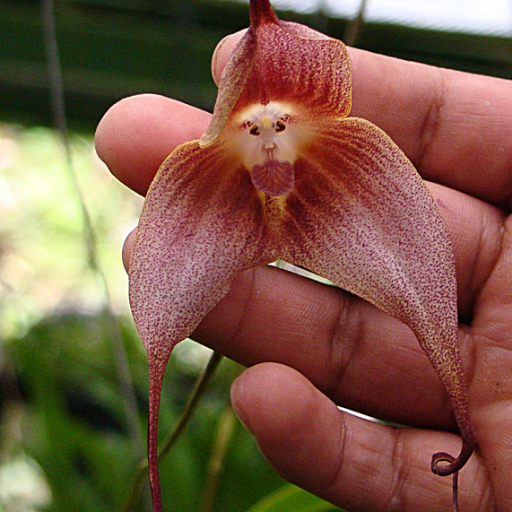
Known widely as the Monkey Orchid, the Dracula simia looks like a tiny, furry primate peering out from its petals. Native to the misty cloud forests of Ecuador and Peru, this rare orchid is as elusive as it is charming. It earned its genus name, Dracula, not for blood-sucking tendencies, but because the long, pointed spurs of the sepals resemble the fangs of a "little dragon."
🔍 How to Identify
- 🐒 The "Monkey Face": The center of the flower (the lip or labellum) is intricately shaped to look like a monkey’s nose and mouth, while the petals form the eyes and brow.
- 🐉 Fang-like Spurs: Each flower features three long, drooping tails extending from the sepals, giving the bloom a dramatic, gothic silhouette that hangs downward.
- 🍊 The Scent: Surprisingly, this orchid doesn't smell like a jungle or a primate; when it blooms, it typically releases a pleasant fragrance reminiscent of a freshly peeled orange.
🏡 In Your Garden
- ☁️ Cloud Forest Vibes: This plant is an epiphyte, meaning it grows on trees in the wild. It craves high humidity (70%+) and cool, moving air. It will quickly "pout" and drop its leaves if the room becomes too hot or the air becomes stagnant and dry.
- 💧 Water Sensitivity: The Monkey Orchid is a "clean water" snob. It is highly sensitive to the minerals and chlorine found in tap water. For the best results, use rainwater or distilled water to prevent root burn.
- 🧺 Basket Living: Because the flower spikes often grow downward or sideways through the growing medium, it is best grown in slatted net baskets with sphagnum moss rather than traditional solid pots. This allows the unique blooms to emerge from the sides or bottom.
⚠️ Safety & Toxicity
- 🌿 Safe Status: The Dracula simia is generally considered non-toxic to humans, cats, and dogs. It is a safe choice for a curious household.
- 🧴 Delicate Tissues: While not poisonous, the plant is physically fragile. The flowers are easily bruised by the oils on human hands, so it is best to admire the "monkey faces" without touching them.
✨ Fun Fact
The Dracula genus contains over 110 different species. While simia is the most famous for its monkey-like appearance, other species in the family are said to resemble bats, monsters, or even tiny dragons, which is why the name translates from Latin as "Little Dragon."

Detailed Care Instructions
To grow a Dracula Simia plant, follow these steps:
- Choose a suitable location: Dracula Simia plants need a cool and shady environment. They thrive in temperatures between 60-70°F (15-21°C). Ensure that the area receives filtered or indirect sunlight as direct sunlight can scorch the leaves.
- Prepare the soil: Dracula Simia plants prefer well-draining soil that is high in organic matter. Mix equal parts of peat moss, orchid bark, and perlite to create a suitable growing medium.
- Select the right container: Choose a shallow and wide pot with good drainage holes. The roots of Dracula Simia are very sensitive to waterlogging.
- Plant the seeds or divisions: If you have seeds, soak them in warm water for 24 hours before planting. Gently press the seeds into the soil, making sure to bury them slightly. Alternatively, if you have divisions (baby plants), plant them in the soil, leaving the crown of the plant above the soil line.
- Watering: Water the plant regularly but avoid overwatering. The soil should be kept slightly moist but not soggy. Allow the top inch of soil to dry out before watering again. Use room temperature or slightly warm water, as cold water can shock the roots.
- Provide humidity: Dracula Simia plants prefer high humidity levels. To increase humidity, place a tray filled with water near the plant or use a humidifier. Regular misting can also help.
- Fertilize: Use a balanced, water-soluble fertilizer at half the recommended strength once a month during the growing season (spring and summer). Reduce or discontinue fertilization during fall and winter.
- Pruning: Prune any dead or yellowing foliage to promote healthy growth and maintain the plant's appearance.
- Repotting: It is recommended to repot Dracula Simia plants every 1-2 years. Choose a slightly larger pot and transplant during the growing season.
- Watch for pests and diseases: Keep an eye out for pests like spider mites and mealybugs. If you notice any signs of infestation or disease, promptly treat the affected plant using organic or chemical controls according to the instructions.
Remember to research and familiarize yourself with the specific care requirements of the Dracula Simia plant, as these instructions serve as general guidelines.
Dracula Simia is an intriguing plant that requires special care when it comes to watering. Here are some important guidelines to follow:
- Observe the soil: Dracula Simia prefers a slightly moist but well-draining soil. Before watering, insert your finger into the soil about an inch deep to check its moisture level.
- Optimal watering frequency: Water your Dracula Simia plant only when the top inch of the soil feels dry to the touch. Avoid overwatering, as this can lead to root rot and other issues.
- Watering method: Instead of pouring water directly onto the plant, it is advisable to use a watering can or a similar container with a narrow spout. Direct the water gently at the base of the plant, allowing it to soak into the soil. Avoid getting water on the leaves, as this can cause fungal or bacterial problems.
- Water temperature: Maintaining a moderate temperature when watering is crucial. Dracula Simia prefers room temperature water, so avoid using cold or hot water from the tap.
- Frequency adjustments: As the seasons change, adjust the watering frequency accordingly. During the plant's active growing period, which typically occurs in spring and summer, you may need to water more frequently. In contrast, during fall and winter, when growth slows down, reduce watering to prevent waterlogged soil.
- Humidity considerations: Dracula Simia benefits from high humidity levels. To mimic its natural environment, consider using a humidifier or placing a tray filled with water and pebbles near the plant. This helps to maintain the appropriate moisture levels without resorting to excessive watering.
Remember, every plant is unique, and factors like the size of the pot, temperature, and humidity levels can affect watering needs. It is essential to monitor your Dracula Simia closely and adjust your watering routine based on its specific requirements.
Here are the fertilizing instructions for the Dracula Simia plant:
- Use a balanced, water-soluble fertilizer formulated for houseplants or orchids.
- Dilute the fertilizer according to the instructions on the package, typically 1/4 to 1/2 of the recommended strength.
- Apply the diluted fertilizer to the plant's soil during the growing season, which is usually spring and summer.
- Water the plant thoroughly before applying the fertilizer to avoid any potential root burn.
- Pour the diluted fertilizer evenly onto the soil, avoiding direct contact with the leaves or plant stems.
- Repeat the fertilization process every 4-6 weeks during the active growing period.
- During the plant's dormant period, typically in fall and winter, refrain from fertilizing to allow the plant to rest.
Remember to always follow the specific instructions provided with the fertilizer you are using, as different brands may have slightly different application methods and strengths.
Dracula Simia, also known as the Monkey Face Orchid, is an orchid species that requires specific growing conditions to thrive. When considering the appropriate soil for Dracula Simia, it is essential to replicate its natural habitat as closely as possible.
Ideally, Dracula Simia should be planted in a well-draining soil mix that mimics its natural environment. The soil should have excellent moisture retention capabilities to promote healthy growth. It is recommended to create a soil mix that is loose, airy, and provides good drainage. This aids in preventing waterlogging or root rot, which can be detrimental to the plant's health.
Typically, a suitable soil mix for Dracula Simia would consist of a combination of organic materials, such as orchid bark, sphagnum moss, and perlite. These materials enhance the soil structure by increasing aeration and moisture retention properties. Orchid bark provides stability to the root system and allows air circulation, while sphagnum moss helps retain moisture without becoming waterlogged. Perlite ensures proper drainage and prevents the soil from compacting.
Maintaining the appropriate soil moisture is crucial for Dracula Simia. It is necessary to keep the soil evenly moist, neither too dry nor too soggy. This can be achieved by checking the moisture level regularly and watering the plant when the top inch of the soil feels slightly dry to the touch. Overwatering or underwatering should be avoided as they can stress the plant and hinder its growth.
In addition to the soil, Dracula Simia also requires a suitable pot with adequate drainage holes to allow excess water to escape. This prevents water accumulation in the root system, which can lead to root rot. Using a breathable pot, such as a terracotta pot, also aids in maintaining proper airflow to the roots.
Remember to provide the Dracula Simia orchid with the necessary care, including appropriate lighting, temperature, and humidity levels, in addition to the suitable soil. By creating a conducive soil environment, you can aid in the healthy growth and flourishing of this unique orchid species.
Dracula Simia, also known as "Monkey Face Orchid" or "Monkey Orchid," is a unique and fascinating plant that resembles the face of a monkey. Propagating this plant requires specific techniques to ensure successful growth. Here is a detailed guide on how to propagate Dracula Simia:
- Seed Collection: Wait for the seed pods of the Dracula Simia to ripen and change color. Once they turn brown or yellow, they are ready for collection. Harvest the pods carefully, ensuring the seeds inside are intact.
- Sterilization: To prevent any contamination or fungal growth, sterilize your equipment. Soak the containers, gardening tools, and potting material in a bleach solution or use a commercial horticultural sterilizer.
- Potting Mix: Prepare a well-draining potting mix that is suitable for orchids. A mixture of sphagnum moss, orchid bark, and perlite is recommended. This mix provides good aeration and moisture retention.
- Sowing the Seeds: Fill small pots or seed trays with the potting mix, leaving a bit of space at the top for watering. Sprinkle the Dracula Simia seeds evenly on the surface without burying them under the soil.
- Moisture and Cover: Gently mist the seeds with water to ensure they are in contact with the soil mix. Cover the trays or pots with a clear plastic cover or place them in a sealed propagation bag. This helps maintain high humidity levels and provides a more controlled environment for germination.
- Temperature and Light: Dracula Simia seeds require warm temperatures ranging between 70-80°F (21-27°C) for optimal germination. Place the covered pots or trays in a warm location with indirect sunlight. Avoid direct sunlight, as it may cause overheating.
- Germination: Dracula Simia seeds generally take several weeks to germinate. Periodically check the pots or trays for signs of germination, such as tiny green shoots or leaves. Be patient and avoid disturbing the seeds during this period.
- Transplanting: Once the seedlings have grown a few sets of true leaves, they can be carefully transplanted into individual pots. Use a similar potting mix as before, ensuring good drainage. Gently handle the delicate roots to avoid damage.
- Growing Conditions: Dracula Simia requires a humid environment with filtered or diffused light. Place the newly transplanted seedlings in a location with bright, indirect light. Maintain humidity by misting the leaves or using a humidifier.
- Care and Maintenance: Regularly water the plant when the potting mix feels slightly dry. Do not overwater, as excessive moisture can lead to root rot. Fertilize with a weak orchid fertilizer, following the manufacturer's instructions.
Following these steps, you can propagate Dracula Simia and enjoy the beauty of this remarkable plant. Remember, it may take a few years for the propagated plant to mature and start blooming.








