Plant Overview
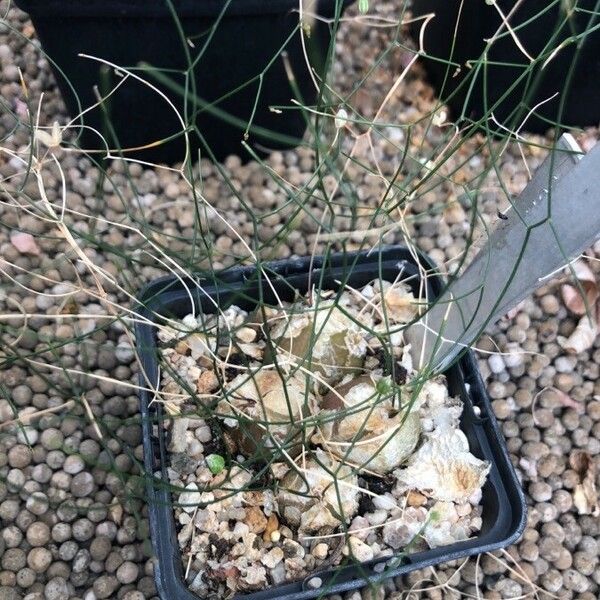
Known affectionately as the Wire Bulb or the Tangled Onion, Drimia intricata is a minimalist masterpiece of the plant world. Native to the rocky terrains of Southern and Eastern Africa, it looks less like a traditional houseplant and more like a living piece of wire sculpture. While it may appear delicate, this resilient succulent is a survivor, designed to withstand harsh droughts by retreating into its papery bulb.
🔍 How to Identify
- 🧅 The Bulb: It features a pale, translucent, or greenish bulb that often sits proudly above the soil line, resembling a small, smooth onion.
- 🧶 The "Leaves": What look like tangled green threads are actually highly branched inflorescences (flower stalks). The true leaves are tiny and usually wither away quickly, leaving the green "wire" to perform photosynthesis.
- 🌸 The Flowers: During the growing season, minute, starry white or greenish flowers appear along the thin stems, though they are so small they are easy to miss.
🏡 In Your Garden
- 🌵 The "Less is More" Approach: This plant thrives on neglect and requires incredibly well-draining, gritty soil. Because it is a bulb, it is highly prone to rot if the soil stays damp for too long; it prefers its "feet" to stay dry.
- 💤 The Disappearing Act: Don’t panic if the green wire turns brown and brittle. Drimia intricata goes through a natural dormancy period where it sheds its top growth to rest. Simply stop watering during this time and wait for the bulb to "wake up" in the next cycle.
⚠️ Safety & Toxicity
- 🚫 Status: Generally considered toxic if ingested.
- 🐾 Details: Like many members of the Hyacinth family, it contains compounds (cardiac glycosides) that can be harmful to cats, dogs, and curious children. It is best kept on a high shelf where its wiry stems can be admired from a distance.
✨ Fun Fact
The species name intricata is Latin for "entangled," perfectly describing the chaotic, bird's-nest appearance of its stems. In the wild, this "tangled" look helps the plant blend in with dry grasses and scrub, protecting the succulent bulb from hungry herbivores!

Detailed Care Instructions
To grow Drimia Intricata plants, also known as the "Fairy Bells" or "Snake's Head Lily" plant, you can follow these steps:
- Climate and Growing conditions: Drimia Intricata plants thrive in warm climates with full sun exposure. They are native to the Mediterranean region and require temperatures of at least 20 degrees Celsius (70 degrees Fahrenheit). Ensure the soil is well-draining and sandy.
- Planting: Plant the bulbs or seeds of Drimia Intricata during the spring or fall seasons. If growing from seeds, soak them in water for 24 hours prior to planting. Plant the bulbs or seeds 2-3 inches deep in the soil, spacing them about 6 inches apart.
- Watering: Water the plants regularly, keeping the soil slightly moist but not waterlogged. During the active growing period, provide more water and reduce it when the plant goes dormant.
- Fertilizing: Drimia Intricata plants do not require excessive fertilizing. A balanced, slow-release fertilizer can be applied during the growing season to promote healthy growth. Follow the instructions on the fertilizer package for appropriate usage.
- Mulching: Apply a layer of organic mulch, such as compost or dried leaves, around the base of the Drimia Intricata plant. This helps retain moisture in the soil and controls weed growth.
- Support: As the plant grows, provide support for the long flower spikes to prevent them from bending or breaking in the wind.
- Pruning: Deadhead the spent flowers regularly to encourage further blooms. Cut back the foliage once it turns yellow and dies back naturally.
- Overwintering: Drimia Intricata plants are usually tender perennials. If you reside in a colder climate, dig up the bulbs before the frost and store them in a cool, dry place during the winter. Replant them in spring once the danger of frost has passed.
Remember to always research and understand specific requirements for the Drimia Intricata plant, as different variations might have slightly different care instructions.

Place in a window with dappled sun or a spot in the middle of a room. Or directly in a window facing west or east.

Drimia intricata is a plant that requires a moderate amount of water to thrive. Here are some tips on watering this plant:
1. Assess the soil moisture: Before watering the Drimia intricata plant, it's essential to check the moisture level of the soil. Insert your finger about an inch deep into the soil and see if it feels dry or slightly damp. If the soil is dry, it indicates that the plant needs water.
2. Watering frequency: Water the plant once every 7-10 days during the active growing season, which is typically in spring and summer. Reduce the frequency of watering during the dormant period, which usually occurs in late fall and winter. During this period, water the plant sparingly to avoid overwatering, as it can lead to root rot.
3. Watering technique: When watering, aim to moisten the soil evenly. Avoid pouring water directly onto the foliage as it can promote fungal growth or cause damage to the leaves. Instead, water at the base of the plant, allowing the water to penetrate the soil and reach the roots. This will help the plant absorb the moisture effectively.
4. Drainage: Ensure that the pot or container has adequate drainage holes to allow excess water to escape. Draining excess water prevents waterlogging, which can negatively impact the health of the plant. Standing water can lead to root diseases and fungal infections, so make sure the water flows freely from the container.
5. Environmental factors: Consider external factors that can affect water requirements, such as temperature, humidity, and sunlight exposure. Higher temperatures and more intense sunlight can increase the plant's water needs, so adjust your watering routine accordingly. Be mindful of the plant's responses to different environmental conditions to determine the best watering schedule.
6. Observation: Regularly monitor the plant's foliage and overall health. Signs of overwatering include yellowing or wilting leaves, root rot, and a persistently damp soil surface. If these symptoms occur, adjust your watering routine accordingly. On the other hand, if the leaves appear dehydrated, develop brown tips, or the soil feels excessively dry, provide the plant with additional water.
Remember, though it is important to water your Drimia intricata plant adequately, it's equally essential not to overwater it. Striking the right balance and understanding the plant's needs will help ensure healthy growth and prevent water-related issues.
To fertilize Drimia Intricata plant, use a balanced slow-release granular fertilizer with an N-P-K ratio of 10-10-10 or similar. Start fertilizing in the spring when new growth appears and continue every two months until fall. Apply the fertilizer around the base of the plant, being careful not to let it touch the stems or leaves. Water the plant thoroughly after fertilizing to allow the nutrients to reach the roots. Avoid over-fertilizing, as it can lead to leaf burn or other damage. Adjust the fertilizer amount based on the size of the plant and follow the manufacturer's instructions for proper dosage.
The recommended soil for Drimia Intricata plant is a well-draining mix that provides sufficient moisture retention while allowing excess water to flow away. It is advisable to use a combination of organic matter, such as compost or peat moss, with a gritty material like sand or perlite to enhance drainage. This type of soil composition helps prevent waterlogging and allows the roots to breathe adequately.
Moreover, the soil pH for Drimia Intricata should ideally range between slightly acidic to neutral (pH 6 to 7). This ensures optimal nutrient availability for the plant's growth and development.
When potting or repotting the Drimia Intricata plant, make sure the container has drainage holes at the bottom to prevent water accumulation. Maintaining the right soil moisture level is crucial, as excessive wetness can lead to root rot, while extreme dryness may cause the plant to wither. Regularly checking the soil moisture and watering accordingly is recommended.
Additionally, it is essential to be cautious while handling Drimia Intricata plant, as some parts of it may contain toxic compounds. It is advisable to wear gloves or wash hands thoroughly after handling the plant to avoid any potential skin irritation or other adverse reactions.
To propagate Drimia Intricata plants, you can follow the steps outlined below:
- Select a healthy parent plant: Choose a mature Drimia Intricata plant that is disease-free and has a desirable growth habit.
- Prepare a suitable container: Use a well-draining pot or container with drainage holes to prevent waterlogging, as excess moisture can lead to root rot.
- Fill the container with a suitable growing medium: Use a well-draining soil mix, such as a combination of potting soil, perlite, and sand. This will help prevent water accumulation and provide adequate aeration for the roots.
- Prepare the parent plant for propagation: Carefully remove the parent plant from its current container, gently brushing off excess soil from the roots. Inspect the plant for any signs of pests or diseases, and treat accordingly if necessary.
- Separate offsets or bulbils: Drimia Intricata plants typically produce offsets or bulbils, which are small bulb-like structures attached to the parent plant. These can be gently separated from the parent bulb using clean and sharp gardening tools, ensuring each offset has its own set of roots.
- Plant the offsets: Make small holes in the potting mix and place each separated offset in its hole, ensuring the roots are covered but the bulb is left partially exposed above the soil surface. Space the offsets appropriately to allow for future growth.
- Provide optimal growing conditions: Place the newly planted offsets in a spot that receives bright, indirect sunlight. Avoid direct sunlight or harsh conditions, as excessive heat or light can stress or damage the young plants. Maintain a temperature range of around 68-77°F (20-25°C).
- Watering and moisture management: Water the new plants sparingly, allowing the top inch of soil to dry out between waterings. Avoid overwatering, as it can lead to root rot. Monitor the moisture levels and adjust watering accordingly.
- Maintain humidity: Drimia Intricata plants appreciate moderately high humidity. You can mist the plants occasionally or place a tray filled with water near the plants to create a humid microclimate.
- Monitor growth and fertilize: Keep an eye on the growth progress of the propagated plants. Once they have established a root system, you can start feeding them with a diluted balanced liquid fertilizer every 4-6 weeks during the growing season to provide essential nutrients for healthy growth.
By following these steps, you can successfully propagate Drimia Intricata plants and expand your collection.
Common pests of the fine african squill include Scale insect, mealybugs, aphids. Make a habit of checking your fine african squill frequently for pests so that any infestations can be caught and managed early.








