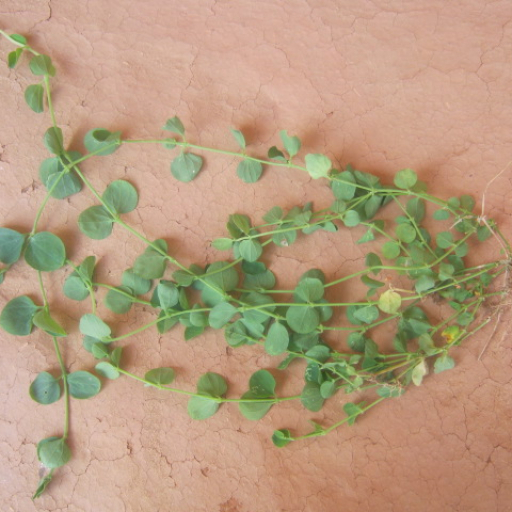
Plant Overview
Often called Tropical Chickweed or the Heartleaf Drymary, this delicate creeper is a master of the "hitchhiking" game. Originally hailing from the tropical Americas, it has successfully traveled across the globe by clinging to the fur of animals and the socks of unsuspecting hikers. While many gardeners view it as a humble weed, its carpet-like growth and cooling properties have earned it a place in traditional herbal kits for centuries.
🔍 How to Identify
- 💚 Heart-Shaped Leaves: The most defining feature is its small, bright green leaves that are perfectly heart-shaped (cordate) and grow in opposite pairs along the stem.
- tiny Petal Power: It produces miniature white flowers with five petals; however, each petal is so deeply notched that it looks like the flower has ten tiny rays.
- 🕸️ Sticky Stems: The stems are thin, brittle, and often covered in microscopic sticky hairs that help the plant "grab" onto surfaces or nearby vegetation for support.
🏡 In Your Garden
- 💧 Moisture Seeker: You will likely find this plant in the damp, shaded corners of your garden where other plants might struggle. It loves high humidity and moist soil, often acting as a natural "living mulch" that keeps the ground cool.
- 🏃 A Fast Spreader: Because it has a prostrate (creeping) growth habit, it can quickly colonize bare patches of earth. While it is easy to pull out by hand due to its shallow roots, it can be persistent if its tiny seeds have already scattered.
⚠️ Safety & Toxicity
- ✅ Generally Safe: Drymaria cordata is not considered a toxic threat to humans or common household pets. In many tropical regions, it is even crushed into a paste for topical skin treatments.
- 🐾 Pet Note: While non-toxic, if a curious dog or cat eats a large amount of any garden greenery, it may lead to minor digestive upset. Always monitor your pets around new plants.
✨ Fun Fact
The Tropical Chickweed is a natural engineer of "Velcro" seed dispersal. Its seed capsules are covered in tiny, hooked hairs that allow them to latch onto passing creatures—meaning if you find this in your yard, you or your pet likely provided the "bus ride" that brought it there!

Detailed Care Instructions
To grow Drymaria cordata, also known as tropical chickweed or baby's tears, follow these steps:
- Choose a suitable location: Drymaria cordata prefers partial shade to full shade. Choose a spot in your garden or indoors where it can receive filtered sunlight or indirect light.
- Soil requirements: The plant prefers well-draining soil that is rich in organic matter. Use a potting mix that contains perlite or vermiculite to improve drainage if growing in a container.
- Sowing seeds: If you have seeds, sow them directly into the soil or a well-draining potting mix. Lightly cover the seeds with a thin layer of soil. Keep the soil consistently moist until germination, which usually takes 2-3 weeks.
- Watering: Keep the soil evenly moist, but avoid overwatering, as this can lead to root rot. Water when the top inch of soil feels dry but before it becomes completely dried out.
- Fertilization: Drymaria cordata doesn't require heavy fertilization. However, you can apply a balanced, water-soluble fertilizer diluted to half-strength every 4-6 weeks during the growing season to promote healthy growth.
- Pruning and propagation: To promote bushier growth, regularly pinch back the stem tips. You can also propagate the plant by rooting stem cuttings in water or moist soil.
- Pests and diseases: Drymaria cordata is generally resistant to pests and diseases. However, it can sometimes suffer from spider mites or mealybugs. Inspect the plant regularly and treat any infestations promptly with insecticidal soap or neem oil.
- Winter care: If you live in a region with colder winters, bring the plant indoors before the temperature drops below its tolerated range, which is typically around 50°F (10°C). Place it near a window where it can receive bright, indirect light.
With proper care, your Drymaria cordata plant should grow well and provide lush foliage in a shady area of your garden or indoor space.

Place in a bright room that is sun drenched almost all day. Or directly in a south-facing window.

To water this plant, one should first check the soil to ensure it is completely dry before watering as over-watering can lead to root rot. When watering, one should use a watering can to gently pour water directly into the soil around the plant's base, avoiding splashing water on the leaves or flowers. It is important to water the plant thoroughly, but not to the point where there is standing water in the pot or container. This plant prefers consistent moisture but also requires good drainage to prevent waterlogged soil. It is best to water this plant in the morning or late evening when the sun is not too strong to prevent water evaporation and minimize stress on the plant.
Drymaria Cordata is a plant that requires regular fertilization to thrive. Provide a balanced, water-soluble fertilizer every two weeks during the growing season. Fertilize less frequently during the winter months.
Apply the fertilizer at half-strength to avoid causing damage to the roots. Water the plant well before and after fertilizing to prevent the roots from burning. Avoid over-fertilization as it can lead to excessive growth and weak stems.
You can also use organic fertilizers such as compost and manure for a more natural approach. Apply 1-2 inches of compost or aged manure around the base of the plant and water thoroughly.
Regular fertilization will improve the growth and overall health of your Drymaria Cordata plant, resulting in lush and vibrant foliage.
Without using the common name of the plant, it is recommended to use a well-draining soil mix for this species. A mixture of sand, perlite, and peat moss can be used to encourage good drainage and oxygenation of the soil. It is important to avoid using heavy, clay-based soils as they can lead to waterlogging and root rot. Additionally, adding a slow-release fertilizer to the soil can provide the necessary nutrients for the plant to thrive. Be sure to monitor the soil moisture carefully and avoid overwatering, as this can also lead to root rot and other fungal diseases.
Drymaria Cordata is a plant that can be propagated in a few different ways. One way is to take stem cuttings and root them in water or a well-draining soil mix. To do this, choose a healthy stem with several leaves attached and cut it just below a node (where a leaf attaches to the stem).
Remove any leaves from the bottom half of the stem, leaving just a few at the top. Dip the cut end of the stem in rooting hormone, if desired, and then insert it into a container of water or soil mix. Keep the container in a warm, bright location and keep the water or soil moist.
Another way to propagate Drymaria Cordata is by dividing the plant. Carefully dig up the plant and separate the roots and stems into smaller sections, each with their own root system. Plant these sections in their own pots or in the garden.
You can also propagate Drymaria Cordata through seed. Collect the seeds from mature plants and sow them in a well-draining soil mix. Keep the soil moist and warm until the seeds germinate and begin to grow.
Propagation of Drymaria Cordata can be done throughout the year, but it is best to do it during the spring or summer months when the plant is actively growing.








