Plant Overview
Often called the Narrow Buckler-fern or the Spinulose Wood Fern, this elegant woodland native acts like the "lace doily" of the forest floor. Found throughout the Northern Hemisphere, it has a reputation for being both hardy and refined, often thriving in the damp, mossy hollows where few other plants can survive. Its name pays homage to the Carthusian monks, reflecting its quiet, meditative presence in deep, ancient woods.
🔍 How to Identify
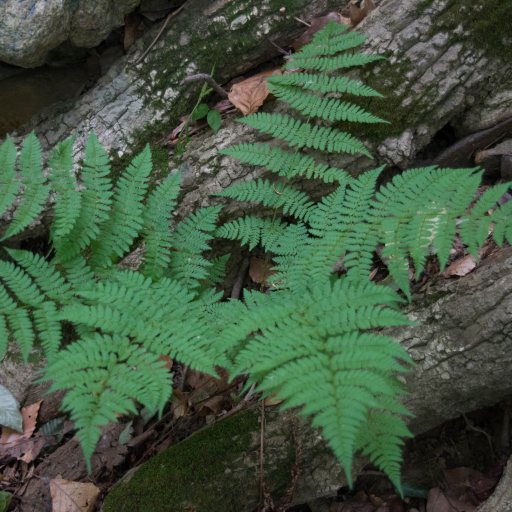
- 🌿 The Fronds: Deeply divided, lacy, and triangular to lance-shaped. The leaflets have tiny, spine-like tips (spinulose) that give the plant a delicate, fringed appearance.
- 🪵 The Stipes: The stems are pale green to straw-colored and are distinctly covered in light brown, translucent scales near the base.
- 🌀 Growth Habit: It grows in a "shuttlecock" shape, with fronds emerging from a central crown and arching outward in a graceful, fountain-like rosette.
🏡 In Your Garden
- 💧 The Moisture Rule: This fern is a true wetland lover. It insists on soil that stays consistently moist; if the ground dries out completely, the delicate fronds will quickly wilt and crisp at the edges.
- 🌑 Shade Specialist: It is an ideal candidate for "deep shade" spots. While it can handle dappled morning light, direct afternoon sun is its enemy and will bleach the rich green color from its leaves.
- 🧤 Low Maintenance: Once established, it is remarkably cold-hardy and semi-evergreen. In sheltered spots, it will keep its green color well into the winter, providing structure when the rest of the garden has gone dormant.
⚠️ Safety & Toxicity
- 🟢 Status: Generally non-toxic and safe for home gardens.
- 🐾 Pets & Kids: It is not known to be poisonous to cats, dogs, or horses. However, like many ferns, it contains low levels of thiaminase (an enzyme that breaks down Vitamin B1), so it should never be consumed in large quantities by humans or animals.
✨ Fun Fact
The Narrow Buckler-fern is a master of "botanical blending." It frequently hybridizes with its cousins, the Broad Buckler-fern and the Male Fern, creating confusing "intermediate" plants that often stump even the most experienced botanists!

Detailed Care Instructions
| Lighting | Part Sun |
| Hardiness Zones | Max 10B |
To grow Dryopteris Carthusiana (Wood fern) plant, follow these steps:
- Location: Choose a suitable spot for the plant in your garden or indoor space. Wood ferns prefer partial to full shade, as they are adapted to growing on forest floors. They can also tolerate some morning sun.
- Soil: Provide well-draining soil with organic matter. Wood ferns prefer slightly acidic to neutral soil conditions. If your soil is heavy clay, amend it with compost or peat moss to improve drainage and fertility.
- Watering: Keep the soil moist but not waterlogged. Wood ferns prefer evenly moist soil. Water the plant regularly, especially during dry periods. However, make sure the soil doesn't become waterlogged, as this can lead to root rot.
- Mulching: Apply a layer of mulch around the base of the plant. Mulch helps to retain moisture in the soil and suppresses weed growth. Use organic materials like shredded bark or compost.
- Fertilizing: Wood ferns typically do not require heavy fertilization. However, you can apply a slow-release balanced fertilizer once or twice a year in spring or early summer. Be cautious not to over-fertilize, as it can lead to burned fronds.
- Propagation: Dryopteris Carthusiana can be propagated through spores but this process can be time-consuming. Alternatively, you can divide an established plant. Dig up the clump and carefully separate the rhizomes, making sure each division has roots and fronds. Replant the divisions in suitable locations.
- Pruning: Remove any dead or damaged fronds, and prune overcrowded growth. Pruning helps to maintain the plant's overall health and appearance.
- Winter care: Wood ferns are generally hardy and can tolerate cold temperatures. However, in colder regions, you can provide some protection by applying a layer of mulch around the base of the plant in late fall.
By following these guidelines and providing suitable growing conditions, you can successfully grow Dryopteris Carthusiana plants.

Place in a dark room with little light, like a dark bedroom or a spot far away from a window or directly in a north-facing window.

The Dryopteris Carthusiana plant requires a consistent supply of water to thrive. When watering, it is important to avoid over-watering as this can lead to root rot and damage the plant. As a general rule, water whenever the top inch of soil dries out. Watering should be done evenly around the entire plant to ensure every area is moistened. The best type of water to use is rainwater or filtered water, as tap water can contain chemicals that may be harmful to the plant. When watering, ensure that the water flows through the soil and out of the drainage holes at the bottom of the pot. This will ensure that the roots are properly hydrated and that excess water is removed from the soil. It is also important to ensure that the plant is not placed in direct sunlight immediately after watering, as this can cause the leaves to scorch.
To fertilize this plant, choose a balanced fertilizer with equal amounts of nitrogen, phosphorus, and potassium. Apply the fertilizer in the spring and summer, every 6 to 8 weeks. Mix the fertilizer with water according to the instructions on the packaging. Water the soil thoroughly before and after applying the fertilizer to prevent salt buildup. Avoid getting the fertilizer on the leaves as it can burn them.
Dryopteris Carthusiana plant prefers a well-draining, moist soil high in organic matter. It can grow in a wide range of soil types, but it thrives in loamy soils. The soil pH should be slightly acidic, ranging from 5.5-6.5. The soil should also be rich in nutrients such as nitrogen, phosphorus, and potassium. It is recommended to add nitrogen-rich fertilizers to the soil during the growing season to enhance growth and overall health of the plant. The soil should be kept consistently moist, but not waterlogged. Overwatering can lead to root rot and other fungal diseases. It is also important to ensure adequate drainage to prevent waterlogging.
Dryopteris Carthusiana plant can be propagated by spores or dividing its rhizomes. To propagate by spores, remove the mature fronds of the plant and allow them to dry out completely. Once dry, the spores can be collected and sown in a mixture of peat and sand. Keep the mixture moist and in a warm, bright location until the spores germinate and develop into small ferns.
To propagate by dividing the rhizomes, carefully dig up the plant and separate the rhizomes into smaller pieces, making sure each piece has both roots and fronds. replant the separated pieces and water well, keeping them in a partially shaded area until new growth appears.








