Plant Overview
Known as the Cochleate Wood Fern or the Snail Fern, this elegant greenery hails from the shaded foothills of the Himalayas and across Southeast Asia. It is prized by collectors for its unusual "dimorphic" growth, meaning it produces two completely different looking types of leaves. In many cultures, particularly in India, it has been woven into traditional medicine for centuries, bridging the gap between forest beauty and ancient healing.
🔍 How to Identify
- 🐚 The "Snail" Fronds: The fertile fronds (the ones carrying spores) are tall, narrow, and upright. The leaflets are tightly curled or spoon-shaped, resembling small snail shells, which gives the plant its name.
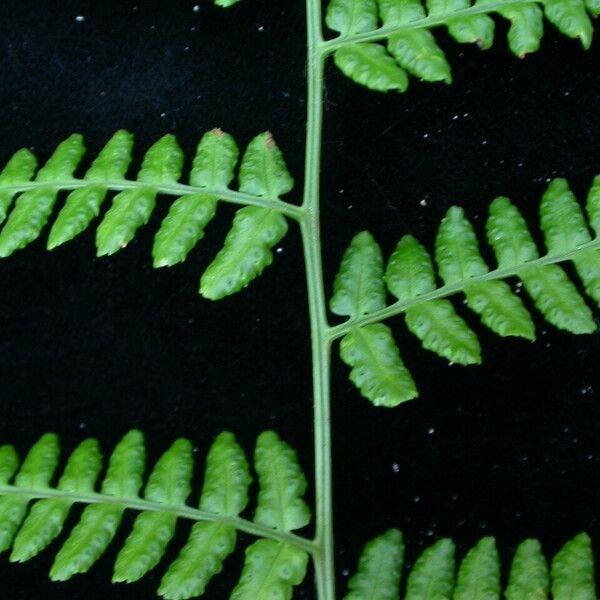
- 🌿 Lush Sterile Fronds: The base of the plant features wider, feathery, dark-green leaves that spread out horizontally. These act as the plant’s "solar panels," capturing sunlight in the deep shade.
- 🕸️ Scaly Stems: The base of the stalks (stipes) is often covered in brownish, papery scales, a classic characteristic of the Dryopteris family that helps protect the emerging fiddleheads.
🏡 In Your Garden
- ☁️ Humidity is Key: This fern thrives in "dappled" light. It is a perfect choice for those tricky, damp corners of a garden where other plants might struggle with low light.
- ⛰️ Rockery Favorite: In its natural habitat, it often clings to moist, mossy rocks. If planting in a pot, use a well-draining mix rich in leaf mold or compost to mimic the forest floor.
- 🍂 Seasonal Shift: Unlike some evergreen ferns, Dryopteris cochleata may go semi-dormant in cooler or very dry climates. Don't panic if it looks tired in the winter; it is likely just resting its rhizomes for a spring comeback.
⚠️ Safety & Toxicity
- 🐾 Pet Safety: Most ferns in the Dryopteris genus are considered non-toxic to cats and dogs. However, it is always best to discourage chewing to avoid mild stomach upset.
- 🚫 Not for Consumption: While used in traditional medicine (Ayurveda), the raw plant contains certain enzymes and compounds that can be harmful if eaten without expert preparation. Keep it as a feast for the eyes only!
✨ Fun Fact
The species name Cochleata comes from the Latin word "cochlea," meaning "snail shell" or "spiral." This refers specifically to the way the fertile leaflets curl inward, protecting the precious spores underneath until they are ready to be caught by the wind!

Detailed Care Instructions








