Plant Overview
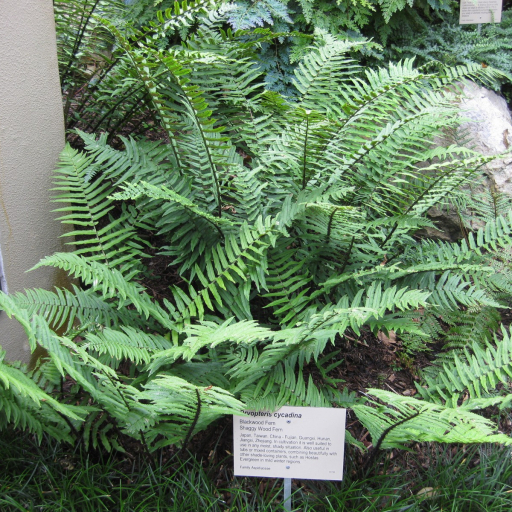
Often called the Shaggy Shield Fern or Black Wood Fern, this plant is a living sculpture for the shade garden. It carries a sense of ancient mystery with its stiff, upright fronds and sharply contrasting dark stems. Native to the mountain forests of East Asia, it is a favorite for gardeners looking to add structural elegance to damp, shadowy corners.
🔍 How to Identify
- 🌿 The Fronds: Look for leathery, matte-green fronds that grow in a distinct, symmetrical vase-like clump. Unlike some weeping ferns, these stand remarkably upright.
- 🖤 "Shaggy" Stems: The most defining feature is the central stalk (stipe), which is densely clothed in bristly, dark brown or jet-black scales. This gives the plant its "shaggy" nickname.
- 📐 Leaf Architecture: Each frond is "pinnate-pinnatifid," meaning the leaflets are deeply lobed but not quite divided into separate segments, creating a dense, heavy texture.
🏡 In Your Garden
- 🌑 Shade Specialist: This fern is a champion of the "woodland" garden. It thrives in spots where other plants struggle due to low light, making it perfect for the north side of a house or under the canopy of deep-rooted trees.
- 🍂 Soil Nuance: While it loves consistent moisture, it hates "wet feet." It prefers a soil rich in organic matter (like leaf mold or compost) that drains quickly. It is surprisingly resilient to "dry shade" once its root system is fully established.
- ✂️ Low Maintenance: It is semi-evergreen. In milder climates, the foliage stays green all winter. In colder zones, you should wait until new "fiddleheads" emerge in spring before cutting back the old, tattered fronds.
⚠️ Safety & Toxicity
- ✅ Safe Status: Dryopteris cycadina is generally considered non-toxic to humans, dogs, and cats.
- 🧤 Minor Irritation: While not poisonous, the stiff, dark scales on the stems can be somewhat abrasive. If you have sensitive skin, wearing gardening gloves during pruning will prevent minor scratches or "itchy" sensations.
✨ Fun Fact
The Shaggy Shield Fern is so dependable and visually striking that it has earned the prestigious Award of Garden Merit from the Royal Horticultural Society. It is often described by botanists as a "tough-as-nails" fern that looks far more delicate than it actually is!

Detailed Care Instructions
To grow a Dryopteris cycadina plant, also known as Cyrtomium falcatum, you can follow these steps:
- Choose the right location: Dryopteris cycadina prefers partial shade to full shade. Find a spot in your garden or indoor area that receives indirect sunlight or has dappled shade throughout the day.
- Prepare the soil: The plant prefers well-draining soil. Avoid areas with heavy clay or compacted soil. If the soil is heavy, amend it with organic matter such as compost or peat moss to improve drainage.
- Planting method: If planting outdoors, dig a hole slightly larger than the root ball of the plant. Place the plant in the hole, ensuring the crown is level with the soil surface. Fill the hole with soil, gently firming it around the roots. If planting indoors, choose a pot with drainage holes and fill it with a well-draining potting mix.
- Watering: Keep the soil slightly moist but not waterlogged. Water your Dryopteris cycadina plant regularly, especially during the summer months. However, avoid overwatering as it may lead to root rot.
- Mulching: Add a layer of organic mulch around the plant to help conserve moisture and suppress weed growth. Mulch also acts as insulation during extreme temperatures.
- Fertilization: Apply a balanced slow-release fertilizer in spring to provide essential nutrients. Follow the instructions on the fertilizer packaging for the right dosage.
- Pruning: Dryopteris cycadina plants do not require extensive pruning. Remove any dead or damaged fronds to maintain its appearance and overall health.
- Winter care: In colder regions, where temperatures drop below freezing, protect the plant with a layer of mulch or cover it with a frost blanket. This will provide insulation and prevent frost damage.
- Pest and disease control: Dryopteris cycadina is generally resistant to pests and diseases. However, it can occasionally suffer from aphid or scale infestations. Monitor your plant regularly and treat any issues promptly with organic pest control methods.
- Propagation: Dryopteris cycadina can be propagated through division. In early spring, carefully separate the offsets from the main plant, making sure each division has roots attached. Plant the divisions in separate pots or in a different location in the garden.
By following these steps and providing the necessary care, you can successfully grow and enjoy a beautiful Dryopteris cycadina plant in your garden or indoor space.

Place in a dark room with little light, like a dark bedroom or a spot far away from a window or directly in a north-facing window.
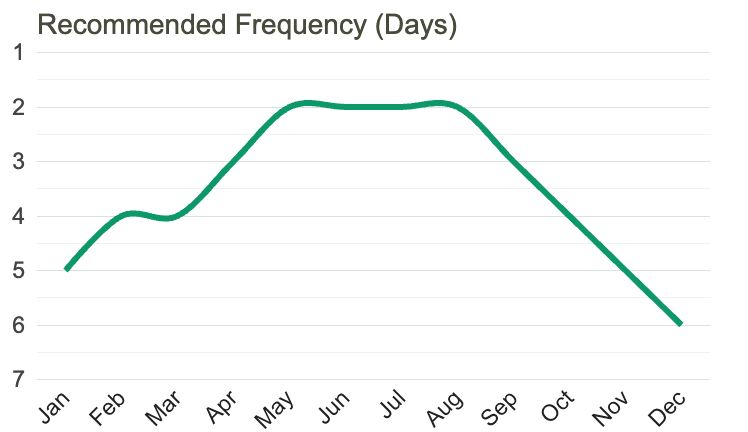
To properly water this plant, you should first ensure that the soil is well-drained and not waterlogged. This plant prefers to be kept on the slightly drier side, so it is important not to overwater it. When watering, slowly pour water onto the soil, being careful not to wet the leaves or fronds. Allow the water to soak into the soil and drain away any excess water from the saucer underneath the pot. The frequency of watering will depend on the environment, but typically, this plant will need watering every 1-2 weeks. Ensure that the soil is dry before watering again. In general, it is better to underwater than overwater this plant.
To fertilize this plant, use a balanced fertilizer that is rich in nitrogen, phosphorus, and potassium. Apply the fertilizer in the early spring or summer, just as new fronds are beginning to emerge. Mix the fertilizer with water according to the manufacturer's instructions and use a watering can to pour the mixture onto the soil around the plant. Be careful not to get any of the fertilizer on the leaves or fronds as this can cause damage. Water the plant regularly to ensure that the nutrients are absorbed properly. Check the soil moisture level regularly to make sure the plant is not over or under watered. Avoid fertilizing during the winter months as the plant is dormant during this time.
The best soil to use for the plant is a well-draining, slightly acidic soil that is rich in organic matter. It should also be kept consistently moist, but not waterlogged, to prevent the roots from rotting. The ideal pH level for the soil is between 5.5 and 6.5, and it should be kept in a location that is shaded or receives indirect sunlight. Organic mulch can also be added to the soil for further nutrient enrichment.
Dryopteris Cycadina is a fern plant commonly found in temperate regions. To propagate it, you will need to carefully remove the baby sprouts that develop off the mother plant's rhizome. These sprouts should be at least three inches tall and have a few sets of leaves. Next, prepare moist rooting medium in a pot and gently plant the sprouts in it. Keep the soil moist and keep the pot in a shaded, humid location until the plant is rooted and well established in the pot. Once the plant has a strong root system, you can transplant it to a larger pot or directly into the soil in a shaded area with moist, well-draining soil. Water the plant regularly and fertilize it occasionally to help it grow and thrive.








