Plant Overview
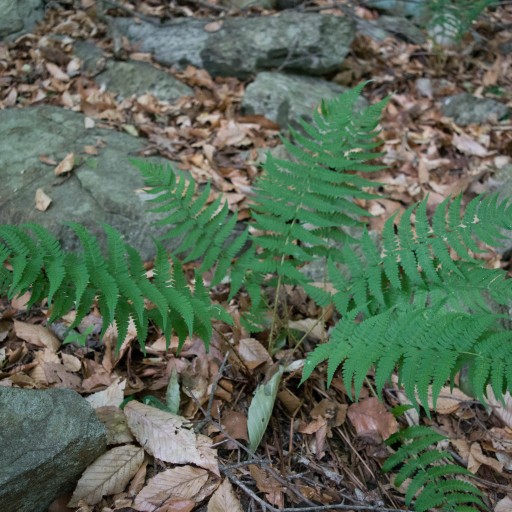
Commonly known as the Marginal Wood Fern or Leatherwood Fern, this sturdy North American native is the "tough guy" of the fern world. It earned its name from the unique placement of its spores, which huddle right along the edges—or margins—of its leaflets. Found clinging to rocky slopes and shaded woodlands, it offers a deep, architectural beauty that remains vibrant even when the rest of the forest has turned brown for the winter.
🔍 How to Identify
- 🌿 The Fronds: Look for deep, bluish-green leaves that feel thick and leathery to the touch. This texture is a survival mechanism that helps the plant retain moisture.
- 🌀 Growth Habit: It grows in a tidy, symmetrical "crown" or vase shape, typically reaching about 1.5 to 2 feet in height and width.
- 🔍 The Sori: Turn a leaflet over during the summer; you will see tiny, circular brown spots (spore clusters) lined up precisely along the outer edges, a key identifier for this specific species.
🏡 In Your Garden
- 🌑 The Dry Shade Champion: While most ferns demand constant moisture, the Marginal Wood Fern is remarkably drought-tolerant once established. It is the perfect solution for those "difficult" shady corners under large trees.
- ⛰️ Rock-Steady Roots: In the wild, it thrives on rocky slopes and ledges. In your garden, it prefers well-draining soil and hates sitting in stagnant, soggy mud, which can cause the crown to rot.
- ❄️ Winter Greenery: It is a "semi-evergreen" species. While the fronds might lay flat on the ground under heavy snow, they often stay green throughout the winter, providing much-needed color in a dormant landscape.
⚠️ Safety & Toxicity
- ✅ Safe for Pets: This fern is non-toxic to dogs, cats, and horses, making it an excellent choice for pet-friendly landscaping.
- 👶 Child Friendly: It is generally safe for kids, though as with any garden plant, ingestion should be discouraged to avoid minor stomach upset or choking hazards.
✨ Fun Fact
The roots and rhizomes of the Marginal Wood Fern contain "filicin," a compound that was historically used in early medicine to expel tapeworms! However, don't try this at home—it requires very specific preparation, as the raw plant can be toxic if consumed in large medicinal doses.

Detailed Care Instructions
| Humidity | High |
| Lighting | Part Sun |
| Toxicity | Poisonous |
| Difficulty | Medium |
| Hardiness Zones | 3 - 8 |
Dryopteris marginalis, also known as marginal wood fern, is a relatively easy fern to grow. Here are some tips to help you grow it successfully:
- Light: Dryopteris marginalis prefers partial shade to full shade. Avoid direct sunlight, as it can scorch the fronds. Place the plant in a location where it receives bright, indirect light.
- Temperature: This fern thrives in cool to temperate climates. It prefers temperatures between 60-75°F (15-24°C). Protect it from extreme temperature fluctuations and frost.
- Watering: Keep the soil consistently moist, but not waterlogged. Water thoroughly whenever the top inch of soil feels dry. Mist the fronds regularly to provide humidity, as ferns appreciate high humidity levels.
- Soil: Opt for a well-draining soil mix. A recommended mix includes equal parts of peat moss, perlite, and compost. Add a small amount of sand if the soil tends to retain too much moisture.
- Fertilizer: Feed the plant with a balanced liquid or granular fertilizer once a month during the growing season (spring and summer). Follow the package instructions for the correct dosage.
- Repotting: If the plant becomes too large for its container, repot it into a larger pot with fresh potting soil. Avoid disturbing the roots too much during repotting.
- Pruning: Remove any dead or yellowing fronds by cutting them off at the base. This helps keep the plant healthy and promotes new growth.
- Propagation: Dryopteris marginalis can be propagated through division. Carefully separate a healthy rhizome with several fronds from the main plant and plant it in a separate container.
- Pests and diseases: Monitor the plant for pests such as aphids and mealybugs. Treat infestations promptly with an appropriate organic insecticide. Good air circulation and proper watering help prevent bacterial and fungal diseases.
By following these guidelines, you can successfully grow and care for Dryopteris marginalis indoors or in a suitable outdoor location.

Place in a window with dappled sun or a spot in the middle of a room. Or directly in a window facing west or east.

To water this plant, fill a watering can with room temperature water. Slowly pour the water onto the soil at the base of the plant until the soil is saturated. Be careful not to pour water onto the leaves or into the center of the plant, as this could cause rot or mold. Wait until the soil dries out slightly before watering again, as over-watering can also be harmful to this plant.
To fertilize this plant, prepare a balanced, water-soluble fertilizer with equal amounts of nitrogen, phosphorus, and potassium. Apply the fertilizer during the growing season, once every two weeks. Dilute the fertilizer with water, following the manufacturer's instructions for proper mixture. Avoid applying the fertilizer to the plant's foliage or roots, instead, pour it around the base of the plant. Water the plant thoroughly after fertilizing to help the nutrients reach the roots.
Dryopteris Marginalis is a plant that requires well-drained soil with good moisture retention and high organic matter content. It prefers soil that is slightly acidic with a pH range between 5.5 and 6.5. It is also important to make sure that the soil is rich in nutrients, especially nitrogen and phosphorus. The ideal soil for this plant should be fertile and loamy, with a good balance of sand, silt, and clay. Additionally, it is important to avoid using heavy soils, such as clay, which can cause water to accumulate around the roots and lead to root rot. Instead, a lighter, well-draining soil, such as a mix of peat moss, perlite, and sand, can provide the ideal growing conditions for Dryopteris Marginalis. Overall, the key to growing this plant successfully is to provide it with a soil that is well-draining yet moisture-retentive, nutrient-rich, slightly acidic, and high in organic matter.
To propagate this plant, first identify a healthy and mature frond with well-developed rhizomes. Using a sharp and sterilized knife, cut the frond into sections with at least one rhizome and several fronds.
Fill a pot with well-draining soil and place the sections of the frond on top of the soil with the rhizome touching the soil. Cover the rhizome with soil, leaving the fronds exposed.
Water the soil lightly, and place the pot in a location with bright, indirect light. Keep the soil moist but not overly wet.
After a few weeks, new growth should appear from the fronds, indicating successful propagation. Wait until the new growth has developed root systems before transplanting each section into its own pot.
Continue to provide the plant with adequate moisture and light, and it will thrive and grow into a mature and healthy plant.
Common pests of the marginal woodfern include Mealybugs, spider mites, aphids. Make a habit of checking your marginal woodfern frequently for pests so that any infestations can be caught and managed early.








