Plant Overview
Known as the Lanceleaf Liveforever, Dudleya lanceolata is a rugged succulent superstar native to the rocky cliffs and chaparral of Southern California and Baja. These plants are the ultimate "survivors" of the botanical world, often found clinging to steep canyon walls where they seem to grow out of thin air. Their common name reflects their incredible lifespan and their ability to endure years of extreme drought without flinching.
🔍 How to Identify
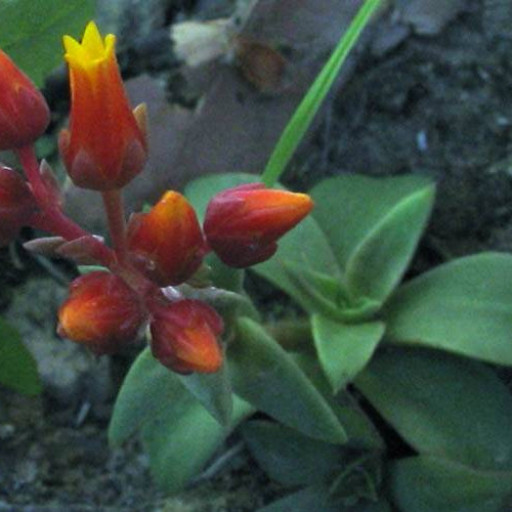
- 🍃 Lance-Shaped Rosettes: It forms a basal rosette of fleshy, pointed leaves that are shaped like the head of a lance. The foliage is typically a vibrant green but can take on a chalky, glaucous appearance.
- 🎨 Sun Blushing: When stressed by heat or cold, the tips of the leaves often transform into shades of deep burgundy or bright red, acting as a natural "sunscreen" for the plant.
- 🌼 Tall Flower Cymes: In late spring and early summer, it sends up tall, reddish stalks topped with clusters of nodding, star-shaped flowers that range from pale yellow to fiery orange.
🏡 In Your Garden
- 🪨 The Drainage King: Because they naturally grow on vertical rock faces, these plants have a "fear" of standing water. In a garden setting, they should be planted at an angle or in very gravelly soil to ensure water never pools in the center of the rosette, which can cause instant rot.
- 💤 Summer Dormancy: This plant follows a Mediterranean cycle, meaning it goes to "sleep" during the hot, dry summer months. It is highly sensitive to overwatering during this time; it prefers to be left almost entirely dry until the cooler autumn rains arrive.
⚠️ Safety & Toxicity
- 🐾 Non-Toxic: Dudleya lanceolata is generally considered safe and non-toxic for cats, dogs, and horses, making it a "pet-safe" addition to your landscape.
- 🧤 Fragile Beauty: While not dangerous to touch, the leaves are quite brittle and snap off easily. They are often covered in a delicate waxy powder called "farina." Avoid touching the leaves, as the oils from your skin will leave permanent fingerprints and smudge this protective coating.
✨ Fun Fact
Some species of Dudleya are so long-lived that they can survive for over 100 years in the wild! Because they grow so slowly and are so resilient, they have sadly become a major target for international plant poachers. Always ensure your "Liveforever" is sourced from a reputable nursery that grows them from seed.

Detailed Care Instructions
To grow Dudleya lanceolata plants, also known as Lanceleaf Liveforever or Chalk Dudleya, follow these steps:
- Choose the right location: Dudleya lanceolata plants prefer full sun or partial shade. Ensure the location has well-draining soil and good airflow.
- Preparation: If necessary, amend the soil with sand or grit to improve drainage. Remove any weeds or grass from the planting area.
- Planting: Dig a hole large enough to accommodate the plant's root ball. Place the plant in the hole, ensuring that the top of the root ball is level with the ground. Backfill the hole with soil and gently firm it around the plant.
- Watering: Initially, provide regular watering to establish the plant, especially during the warmer months. Dudleya lanceolata is a succulent, so be cautious not to overwater. Allow the soil to dry out between waterings to prevent root rot.
- Fertilization: Dudleya plants typically do not require heavy fertilization. Use a balanced, low-nitrogen fertilizer sparingly, if necessary, during the growing season.
- Maintenance: Remove any dead or damaged leaves from the plant to enhance its appearance. Be careful not to damage the central rosette or growing tip.
- Propagation: Dudleya lanceolata plants can be propagated from offsets or leaf cuttings. To propagate by offsets, separate the smaller rosettes that grow at the base of the plant and replant them. For leaf cuttings, allow the cut ends to dry, callus over, and then plant them in well-draining soil.
- Protection: If you live in an area with cold or wet winters, protect Dudleya plants from excessive cold or moisture by providing them with a sheltered location or using a cold frame.
Remember, Dudleya lanceolata is a native California plant, so always check for local regulations concerning collection or cultivation.

Place in a bright room that is sun drenched almost all day. Or directly in a south-facing window.

To water this plant, you should first observe the soil to determine whether it needs watering. The soil should be allowed to dry out between waterings, but you should not let it become completely dry. To water the plant, take care to apply water only to the soil and avoid getting water on the leaves or stem. Water thoroughly but do not allow water to sit in the saucer or pot, as this can lead to root rot. Additionally, the plant should be watered more sparingly during the winter months when it is not actively growing.
To fertilize this plant, add a slow-release, balanced fertilizer in the early spring. Avoid applying fertilizer during the hotter summer months to prevent burning the plant. Diluted liquid fertilizer can be applied once a month during the growing season. Ensure that the fertilizer is evenly distributed throughout the root zone. Over-fertilization can lead to excessive growth and reduced plant health.
The recommended soil for this plant is a well-draining sandy soil that is slightly alkaline with a pH range of 7.5 to 8.5. The soil should be able to hold some moisture to keep the plant hydrated, but it should not be waterlogged or poorly drained. Additionally, the soil should be low in nutrients, as this plant does not require a lot of fertilizer. It is also important to note that this plant prefers to grow in rocky or gravelly soils, which mimic its natural habitat.
To propagate this plant, you will need to take stem cuttings during the active growth season. Cut the stem at a 45-degree angle, making sure to use clean, sharp tools to prevent damage to the parent plant. Allow the cuttings to callus over for a few days before planting in a well-draining soil mix. Keep the soil moist but not waterlogged and place in a bright, indirect area. After a few weeks, roots should begin to develop, and new growth will emerge from the stem cutting.
Common pests of the lanceleaf liveforever include Scale insect, mealybugs, thrips. Make a habit of checking your lanceleaf liveforever frequently for pests so that any infestations can be caught and managed early.








