Plant Overview
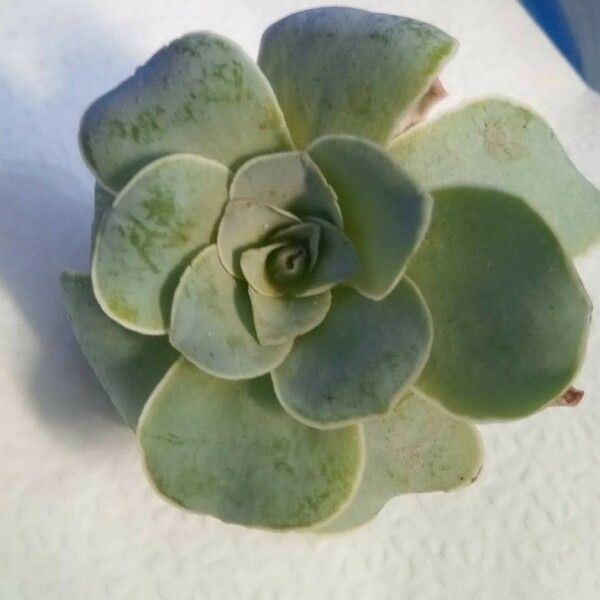
Known as the "Giant Echeveria," this Mexican native is the heavyweight champion of the succulent world. Unlike its tiny cousins that fit in teacups, the Echeveria gigantea demands center stage with rosettes that can span the size of a dinner plate. It is a living sculpture that adds a touch of prehistoric grandeur to any sunny collection or rock garden.
🔍 How to Identify
- 🍃 Massive Rosettes: It features broad, spoon-shaped leaves that grow in a tight, spiraling rosette reaching up to 12 inches (30 cm) or more in diameter.
- 🎨 Chalky Palette: The foliage is typically a powdery blue-grey or soft teal, protected by a thick layer of "farina"—a natural wax that acts as a built-in sunscreen.
- 🌸 Blushing Edges: Under the right conditions of bright light or cooler temperatures, the leaf margins develop a striking neon pink or deep red border.
🏡 In Your Garden
- ☀️ The Sun-Seeker: This giant requires intense light to maintain its structural integrity. Without enough sun, the plant will "stretch" (etiolate), losing its iconic rose-like shape and becoming weak.
- 💧 The "No Puddles" Rule: Because the rosette is so large and bowl-shaped, never pour water directly into the center of the plant. Trapped moisture in the crown is a recipe for rot; always water the soil at the base.
- 🪴 A Sturdy Foundation: As it matures, it develops a thick, woody stem. It is best to use a heavy terracotta or ceramic pot to prevent the plant from becoming top-heavy and tipping over.
⚠️ Safety & Toxicity
- 🐾 Pet Friendly: Good news for animal lovers! This Echeveria is non-toxic to cats, dogs, and even horses, making it a safe choice for household decor.
- 👐 Handle with Care: While not poisonous, you should avoid touching the leaves. Your skin's natural oils will rub off the powdery wax coating, leaving permanent "fingerprints" and making the plant more susceptible to sunburn.
✨ Fun Fact
In its native habitat in the Mexican highlands, Echeveria gigantea is often found growing on nearly vertical limestone cliffs. Its massive size isn't just for show—the thick leaves store massive amounts of water, allowing it to survive for months without a single drop of rain.

Detailed Care Instructions
To grow Echeveria Gigantea, follow these steps:
- Choose a suitable location: Select a spot with full sun exposure, preferably in a sheltered area where the plant can be protected from extreme weather conditions.
- Prepare the soil: Echeveria Gigantea prefers well-draining soil, so amend the soil with perlite or pumice to improve drainage. A mix of regular potting soil and sand can also work well.
- Planting: Gently remove the plant from its nursery pot, being careful not to damage the roots. Dig a hole in the prepared soil and place the plant in it, ensuring that the base of the plant is at ground level. Backfill the hole with soil, gently firming it around the plant.
- Watering: Water the plant thoroughly after planting until the water drains out from the bottom of the pot or the soil feels moist to the touch. Echeverias are succulent plants and are adapted to dry conditions, so avoid overwatering. Allow the soil to dry out completely before watering again, as overwatering can lead to root rot.
- Fertilizing: Echeveria Gigantea does not require frequent fertilization. Apply a balanced, water-soluble fertilizer sparingly during the growing season, typically once a month. Be careful not to over-fertilize, as this can lead to leggy growth and decreased plant health.
- Pruning: Echeveria Gigantea does not require extensive pruning. However, you can remove any dead or damaged leaves by gently twisting them off from the base of the plant. This will help maintain the plant's overall appearance and health.
- Propagation: Echeveria Gigantea can be propagated by leaf or stem cuttings. To propagate from leaves, gently twist or cut a healthy leaf from the main plant and allow it to dry for a few days until the cut end calluses over. Place the callused end in well-draining soil or a propagation mix, and keep it lightly moist until roots develop. For stem cuttings, cut a healthy stem and let it dry for a few days. Plant the cut end in well-draining soil, keep it lightly moist, and roots should develop in a few weeks.
- Protection: Echeveria Gigantea may require protection from frost or extreme temperatures. If you live in a region with cold winters, consider bringing the plant indoors or covering it during freezing temperatures.
Remember, Echeveria Gigantea is a slow-growing plant, so it may take time to reach its full size. Patience and proper care will help it thrive.

Place in a bright room that is sun drenched almost all day. Or directly in a south-facing window.

Echeveria Gigantea plant requires periodic watering, but it should not be overwatered. It is recommended to water the plant deeply once every two weeks or when the soil becomes dry to the touch. When watering, it's best to water the soil directly rather than the foliage. Overwatering can cause the plant to rot, so make sure to allow the soil to dry out between waterings. Additionally, if the plant is in a pot, make sure that it has proper drainage to allow excess water to escape from the bottom.
To fertilize the Echeveria Gigantea plant, use a balanced fertilizer with equal parts nitrogen, phosphorus, and potassium. Apply the fertilizer once a month during the growing season, which is typically from spring to fall. Dilute the fertilizer to half strength and apply it to the soil surrounding the plant. Avoid getting the fertilizer on the leaves or stems to prevent burns. Water the plant thoroughly after fertilizing to help distribute the nutrients throughout the soil.
For best growth and health, it is recommended to use a well-draining soil mix that is specifically formulated for succulent plants. This type of soil should include a combination of coarse sand, perlite, and peat moss in order to provide the necessary nutrients and moisture retention without causing waterlogging in the roots. Additionally, it is important to avoid using any heavy or clay-based soils, as these can suffocate the roots and lead to poor growth and development. When planting Echeveria Gigantea, it is also recommended to use a container with drainage holes and to water sparingly, allowing the soil to dry out before watering again.
To propagate this plant, select a healthy stem or leaf cutting and allow it to dry and callus over for a few days. Plant the cutting in a well-draining potting mix and keep it in a bright, indirect light location. Water sparingly until the cutting establishes roots and begins to grow, then gradually increase watering frequency.
Common pests of the echeveria dusty rose include Mealybugs, aphids, thrips. Make a habit of checking your echeveria dusty rose frequently for pests so that any infestations can be caught and managed early.








