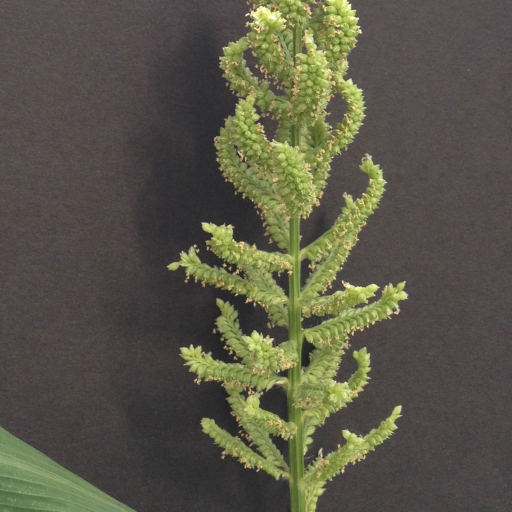
Plant Overview
Known as the "Billion Dollar Grass" or Japanese Barnyard Millet, this resilient cereal has been a staple in East Asian agriculture for centuries. While it’s often grown as a quick-harvest food crop or birdseed, its striking, heavy seed heads and rapid growth make it a fascinating addition to a wild-style garden. It is celebrated for its ability to thrive in poor soils where other crops might fail, earning it a reputation as a true survivor.
🔍 How to Identify
- 🌾 Seed Heads: Look for dense, branched clusters (panicles) that are usually upright but droop slightly when heavy with grain. Unlike its wild cousins, this variety typically lacks "awns" (the long, hair-like bristles).
- 🍃 Leaf Structure: The leaves are long, linear, and smooth, resembling typical tall grass but with a distinctively thick, succulent-like base.
- 🟣 Stem Color: The stalks are robust and can grow up to 5 feet tall, often showing a subtle purplish tint near the nodes or the base of the plant.
🏡 In Your Garden
- 🌱 Rapid Growth: This is one of the fastest-growing cereals in the world. Because it matures so quickly, it is often used as a "catch crop" to fill in gaps in the garden or to provide quick ground cover.
- 💧 Water & Soil: While it is incredibly drought-tolerant once established, it actually prefers damp, nitrogen-rich soil. It is a "pioneer plant," meaning it is often the first to claim disturbed soil or damp low-spots in a landscape.
⚠️ Safety & Toxicity
- ✅ Status: Generally non-toxic and safe for humans, livestock, and pets.
- 🐾 Nitrate Warning: In extreme drought conditions, like many forage grasses, it can occasionally accumulate high levels of nitrates which can be harmful to cattle if eaten in massive quantities. For the average home gardener or pet owner, it is considered very safe.
✨ Fun Fact
Japanese Barnyard Millet is the "sprinter" of the plant world; in ideal conditions, it can go from a tiny seed to a fully mature, harvestable grain crop in as little as six weeks!

Detailed Care Instructions
To grow Echinochloa frumentacea, also known as Japanese millet or Indian barnyard millet, you can follow these steps:
- Obtain seeds: Purchase high-quality seeds from a reputable source or collect them from mature plants, if available.
- Choose a suitable location: Echinochloa frumentacea prefers warm climates and thrives in full sun. Select a well-drained area with loose soil.
- Prepare the soil: Make sure the soil is fertile and rich in organic matter. Remove any weeds, rocks, or debris from the planting area. Lightly till the soil to improve its texture.
- Sow the seeds: Scatter or drill the seeds directly into the prepared soil. Aim for a depth of about 0.5 to 1 inch (1.27 to 2.54 cm) and space them approximately 2-3 inches (5-7.62 cm) apart.
- Watering: After sowing, water the area gently to provide enough moisture for germination. Keep the soil consistently moist but avoid waterlogging, as excessive moisture can lead to fungal diseases.
- Fertilization: Apply a balanced fertilizer according to the manufacturer's instructions to promote healthy growth. Follow the recommended rates and timing for your specific soil conditions.
- Weed control: Regularly monitor the area for weeds and remove them promptly to prevent competition for nutrients and resources.
- Thin the plants: Once the seedlings emerge and grow a few inches tall, thin them out to maintain proper spacing and promote stronger growth. Leave the healthiest and most vigorous plants, spacing them according to the recommended guidelines.
- Monitor pests and diseases: Keep an eye out for common pests and diseases that may affect Echinochloa frumentacea, such as aphids, armyworms, leaf miners, or fungal infections. Take appropriate measures to address these issues, such as applying organic pesticides or consulting with a local agricultural extension service for guidance.
- Harvest: Harvest time usually occurs when the seed heads turn golden yellow or brown and start to dry. Cut the plants at the base and hang them upside down in a dry, well-ventilated area to allow the seeds to fully dry. Once dry, thresh the seed heads to separate the millet grains from the chaff.
Remember to review local agricultural guidelines and adapt the cultivation process according to your specific region and climate.

Place in a bright room that is sun drenched almost all day. Or directly in a south-facing window.

To water this plant, ensure that the soil is consistently moist, but not waterlogged. Avoid allowing the soil to completely dry out between waterings, as this can stress the plant and impact its growth. Water deeply and thoroughly, making sure that the entire root system is hydrated. Consider using a watering can with a fine, narrow spout to direct the water directly onto the soil and avoid splashing it onto the plant leaves, which can cause damage or injury. Monitor the plant closely for signs of stress or dehydration, and adjust your watering schedule as needed.
To successfully fertilize this plant, it is recommended to use a balanced fertilizer with a ratio of 10-10-10. Apply the fertilizer to the soil around the plant and water thoroughly. Repeat this process every four weeks during the growing season. Be sure to follow the manufacturer's instructions for application rates and frequency. Avoid fertilizing during periods of drought as it may cause damage to the plant.
Echinochloa Frumentacea plant prefers soil that is rich in nutrients with good drainage. It should be a loamy, well-draining soil that is moist but not waterlogged. The soil pH should be slightly acidic to neutral, between 5.5 and 7.5. It is recommended to prepare the soil by adding organic matter such as compost or well-rotted manure. Additionally, adding a slow-release fertilizer or bone meal to the soil can help support healthy plant growth. It is important to avoid using soils that are compacted, heavy, or contain clay, as these types of soils can hinder the plant's growth and development.
To propagate this plant, you will need to collect mature seeds from the plant's flowering heads. Collect these seeds when they have ripened and turned a dark brown color. Disperse the seeds in a location where they will receive ample sunlight and moisture. Ensure that the area where you are planting these seeds is well-draining and does not have any competition from weeds or other invasive plant species. After planting, keep the soil consistently moist until the seeds begin to germinate and produce shoots. Once the plants have established themselves, you can begin to thin out the weaker specimens and maintain the health of the remaining plants through proper watering, fertilization, and pest management techniques. With proper care, your propagated Echinochloa Frumentacea plant will thrive and produce seeds that you can use to continue propagating this species.








