Plant Overview
Known as "Burgu" or "Hippo Grass," this resilient semi-aquatic giant is the lifeblood of many African river deltas. It doesn't just grow; it thrives in the rhythmic flood cycles of great rivers, turning marshes into lush, emerald pastures. Historically, it has been so vital that ancient civilizations once fought over access to its rich, sugary stems.
🔍 How to Identify
- 🎋 The Stems: Thick, hollow, and succulent, often reaching up to 2 meters in height. They have a tendency to sprawl across the water surface like floating mats before shooting upward.
- 🍃 The Foliage: Long, ribbon-like leaves that are rough to the touch along the edges. Look for a distinct fringe of hairs (ligule) where the leaf blade meets the stem.
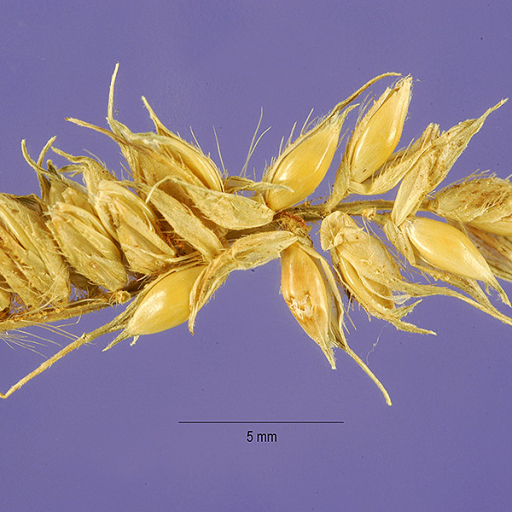
- 🌾 The Seed Heads: Dense, nodding spikes that are typically 10–25 cm long. They often take on a purplish or rusty-brown hue, appearing as a more robust and wild version of common barnyard grass.
🏡 In Your Garden & Habitat
- 💧 Water Obsession: This isn't a plant for a dry rockery. It requires saturated soil or seasonal flooding to thrive. It is a "transformer" species, often found reclaiming land along the edges of lakes and slow-moving rivers.
- 🌱 Aggressive Growth: Because it spreads via creeping rhizomes (underground stems), it can be quite invasive in a backyard pond setting. It is best used for large-scale erosion control or in deep-water basins where its growth can be contained.
⚠️ Safety & Toxicity
- ✅ Safe Status: Echinochloa stagnina is non-toxic to humans, cats, dogs, and livestock. In many cultures, the seeds are even gathered as a "famine food."
- 🐜 Habitat Hazards: While the plant itself is safe, its dense growth in water creates a perfect micro-habitat for mosquitoes and water snails. If you are handling it in the wild, be mindful of the creatures living within its shade.
✨ Fun Fact
The stems of Burgu grass are so rich in natural sugars that they are traditionally boiled down to create a thick, dark molasses! In some regions, this syrup is fermented to produce a traditional sweet beer.

Detailed Care Instructions
Echinochloa stagnina, commonly known as the water millet, is a grass species that typically grows in wetland or aquatic environments. If you want to grow this plant, here are some steps you should follow:
1. Understand the Environment:
- Habitat: E. stagnina thrives in shallow water, marshy areas, and wet soils. It is often found in regions with standing water or seasonal flooding.
- Light Conditions: It prefers full sun to partial shade.
2. Soil Requirements:
- Soil Type: It grows best in moist, nutrient-rich soils. Silty or clayey soils that retain moisture are ideal.
- pH Level: A pH level between 5.5 and 7.5 is typically suitable.
3. Seed Sowing:
- Timing: The best time to sow seeds is in the late spring or early summer when water temperatures begin to rise.
- Seed Preparation: Soak the seeds in water for a few hours before planting to enhance germination.
- Planting Depth: Seeds can be scattered on the surface of shallow water or placed in moist soil just above the water line.
4. Watering:
- Keep the soil consistently moist, especially during dry periods. If planting in water, maintain a shallow water level (a few inches deep) for optimal growth.
5. Fertilization:
- Apply a balanced fertilizer or organic compost to provide nutrients. Be careful not to over-fertilize as this can lead to excessive growth of unwanted algae.
6. Maintenance:
- Weeding: Regularly remove any competing weeds or aquatic plants that might overshadow E. stagnina.
- Pest Control: Monitor the plants for any signs of pests or diseases, and manage them organically if possible.
7. Harvesting:
- If you're growing E. stagnina for its seeds, harvest them once they turn brown and dry, usually in late summer or early fall.
8. Propagation:
- E. stagnina can also be propagated through vegetative means, such as by dividing clumps. This is best done in early spring.
9. Considerations for Wetland Conservation:
- If you are growing this plant for ecological purposes, ensure that your activities align with local conservation guidelines, especially in sensitive wetland areas.
Conclusion:
Growing Echinochloa stagnina requires specific environmental conditions, especially relating to moisture and sunlight. By mimicking its natural habitat and following these steps, you can successfully cultivate this aquatic grass.
Echinochloa stagnina is a perennial grass that typically thrives in wetland habitats. When watering this plant, it's important to consider its native environment and growth requirements:
- Soil Moisture: Ensure the soil remains consistently moist, as this species prefers wet conditions. The soil should be water-saturated but not waterlogged.
- Watering Technique: Use a gentle watering method to avoid soil erosion or displacing the plant. This can be done using a watering can or a drip irrigation system that provides a slow, steady supply of moisture.
- Frequency: Watering should be done regularly, particularly during dry spells. Monitor the soil moisture by checking the top layer; if it begins to dry out, it may be time to water again.
- Seasonal Adaptations: During the growing season, the plant may require more frequent watering, whereas in cooler months, the frequency may be reduced. Adjust according to the temperature and humidity levels.
- Water Quality: Use freshwater for irrigation. Avoid chlorinated water, as it may harm the plant. Rainwater is a good option if available.
- Temperature Considerations: Water during the cooler parts of the day, such as early morning or late afternoon, to minimize evaporation and allow sufficient time for the plant to absorb moisture.
By following these guidelines, you can effectively meet the watering needs of this specific grass species and promote its healthy growth in suitable conditions.
Fertilizing Echinochloa stagnina requires careful attention to its environmental growth conditions. Here’s a guide for effective fertilization:
- Soil Testing: Before fertilizing, conduct a soil test to determine nutrient levels and pH. This helps tailor your fertilization approach to specific deficiencies.
- Nutrient Needs: This plant typically benefits from a balanced fertilizer rich in nitrogen, phosphorus, and potassium. A general N-P-K ratio of 10-10-10 or similar can be effective.
- Fertilization Timing: Apply fertilizers in early spring as the plant begins to actively grow. A second application may be needed mid-summer if the growth seems to be lacking.
- Application Method:
- For granular fertilizers, broadcast the recommended amount evenly around the base of the plant, avoiding direct contact with the foliage.
- For liquid fertilizers, dilute according to package instructions and apply directly to the soil around the roots.
- For granular fertilizers, broadcast the recommended amount evenly around the base of the plant, avoiding direct contact with the foliage.
- Watering: After fertilizing, water the area thoroughly to help the nutrients penetrate the soil and reach the root zone. This will also prevent fertilizer burn.
- Frequency: Depending on growth and soil condition, fertilize every 6-8 weeks during the growing season. Adjust this schedule based on the results observed from the plant's growth and health.
- Organic Options: If preferred, organic fertilizers like compost or well-aged manure can be used to improve soil health and provide slow-release nutrients over time.
- Monitoring Growth: Keep an eye on the plant's growth and adjust your fertilization regime as necessary. Signs of nutrient deficiency may include yellowing leaves or stunted growth.
By following these guidelines, you can help ensure healthy growth and vitality for this plant species.
Echinochloa stagnina thrives best in specific soil conditions that enhance its growth and health. Here are the key characteristics of the ideal soil for this plant:
- Soil Type: The plant prefers alluvial and clayey soils, which retain moisture well. Loamy soils that provide a good mix of sand, silt, and clay are also acceptable, as they can offer drainage while retaining enough nutrients and moisture.
- pH Level: An acidic to neutral pH range, ideally between 5.5 and 7.0, is suitable for optimal growth. This range helps to ensure nutrient availability and uptake.
- Nutrient Content: The soil should be rich in organic matter and nutrients, particularly nitrogen, phosphorus, and potassium. Adding well-decomposed organic material or compost can enhance the nutrient profile of the soil.
- Moisture Retention: This plant prefers consistently wet conditions, so soil with good water retention capabilities is effective. Implementing a structure that ensures the soil does not dry out too quickly will support its growth.
- Drainage: Adequate drainage is also important to prevent waterlogging, which can lead to root rot. While the plant enjoys moist soil, it does not thrive in overly saturated conditions.
- Aeration: The soil should be well-aerated to support root respiration. Compacted soils may hinder growth, so it’s important to maintain a loose texture.
- Location: Consider planting in areas that are prone to flooding or have standing water, as this plant is often found in such environments in its natural habitats.
By ensuring these soil conditions are met, you can create an optimal growing environment for Echinochloa stagnina.
Echinochloa stagnina can be propagated through several methods, including seed propagation and vegetative propagation. Here are detailed steps for both methods:
Seed Propagation
- Collection of Seeds:
- Harvest seeds from mature plants when they are fully developed and dry. This is typically done late in the growing season.
- Ensure that the seeds are collected from healthy specimens to maintain desirable traits.
- Harvest seeds from mature plants when they are fully developed and dry. This is typically done late in the growing season.
- Preparation:
- Clean the seeds to remove any debris or chaff.
- If necessary, stratify the seeds to break dormancy and improve germination rates. This may involve soaking the seeds in water for 24 hours or cold moist stratification.
- Clean the seeds to remove any debris or chaff.
- Sowing:
- Prepare a seedbed or container with well-draining soil that is rich in organic matter.
- Sow the seeds at a depth of about 1-2 cm (approximately 0.5-1 inch).
- Space the seeds according to the desired density, typically 20-30 cm apart depending on the intended purpose.
- Prepare a seedbed or container with well-draining soil that is rich in organic matter.
- Watering:
- Water the area gently to avoid displacing the seeds. Keep the soil consistently moist but not waterlogged.
- Water the area gently to avoid displacing the seeds. Keep the soil consistently moist but not waterlogged.
- Germination:
- Place the seedbed in a location with adequate light and warmth, as these conditions encourage germination.
- Germination usually occurs within a few weeks, depending on temperature and moisture conditions.
- Place the seedbed in a location with adequate light and warmth, as these conditions encourage germination.
- Care:
- Once seedlings emerge, thin them as necessary to prevent overcrowding and promote healthy growth.
- Monitor for pests and diseases and manage them accordingly.
Vegetative Propagation
- Once seedlings emerge, thin them as necessary to prevent overcrowding and promote healthy growth.
- Division:
- Select healthy plants that display vigorous growth.
- Carefully dig up the plant and separate it into sections, ensuring that each division has a good root system and several shoots.
- Select healthy plants that display vigorous growth.
- Replanting:
- Prepare new planting sites or containers with well-draining soil.
- Plant the divisions at the same depth they were previously growing, and space them appropriately to allow for growth.
- Prepare new planting sites or containers with well-draining soil.
- Watering:
- Water the newly planted divisions thoroughly to help settle the soil around the roots.
- Keep the soil moist during the establishment phase, being careful not to overwater.
- Water the newly planted divisions thoroughly to help settle the soil around the roots.
- Maintenance:
- Provide nutrients as needed, particularly if the soil is poor.
- Monitor growth and manage any potential pests or diseases.
General Tips
- Provide nutrients as needed, particularly if the soil is poor.
- Timing: Spring or early summer is generally the best time for propagation, aligning with the plant's active growth period.
- Environmental Conditions: Ensure that the conditions are suitable for growth, with appropriate light, temperature, and moisture levels.
- Monitoring: Regularly check on the plants for signs of stress or unhealthy growth and adjust care practices as needed.
By following these methods, you can successfully propagate Echinochloa stagnina to create new plants.








