Plant Overview
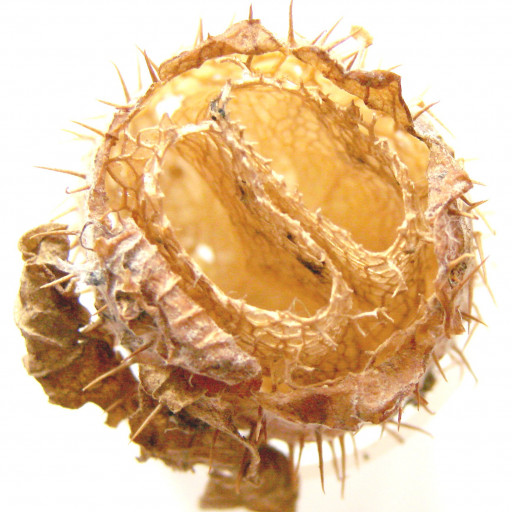
Often called the Wild Cucumber or Balsam Apple, this native North American vine is a champion sprinter of the plant world. It can rapidly drape itself over fences and shrubs like a living lace curtain. While its name and fruit might sound appetizing, this "cucumber" is strictly for show, prized more for its delicate white blooms and fascinating "hedgehog" seed pods than for its flavor.
🔍 How to Identify
- 🍃 Lobed Foliage: The leaves are roughly hand-shaped with five sharp, triangular lobes, often resembling a light-green, papery maple leaf.
- ☁️ Ethereal Blooms: It produces upright, airy clusters of tiny, star-shaped creamy white flowers that seem to float above the foliage during mid-to-late summer.
- 🦔 Prickly Fruit: The fruit is an oval, pale green pod covered in soft, flexible spines. It looks like a tiny, bloated green hedgehog hanging from a vine, but unlike a cactus, the spines are generally soft to the touch when young.
🏡 In Your Garden
- 🧗 Vertical Ambition: This annual vine uses branched tendrils to pull itself upward with incredible speed. It’s perfect for quickly covering an unsightly chain-link fence, but be cautious—it can easily "blanket" and shade out smaller garden perennials if left to roam freely.
- 🦋 Pollinator Magnet: The flowers are highly fragrant, especially toward evening, making them a favorite for moths, honeybees, and beneficial wasps. It is an excellent choice for a wildlife-friendly corner of the yard.
- 💧 Moisture Context: In the wild, it naturally hugs riverbanks and damp thickets. While it isn't too picky about soil, it prefers a spot that stays consistently moist; it will wilt quickly if the soil bakes in a summer drought.
⚠️ Safety & Toxicity
- 🚫 Non-Edible Status: Despite the "cucumber" nickname, the fruit is extremely bitter and contains compounds that act as a strong purgative. It is not considered edible for humans or livestock.
- 🐾 Pet & Child Safety: While not categorized as a deadly poison, ingesting the fruit or seeds can cause significant stomach upset and vomiting. It is best treated as an ornamental plant only.
✨ Fun Fact
The genus name Echinocystis comes from the Greek words echinos (hedgehog) and kystis (bladder), perfectly describing the prickly, air-filled fruit. When the fruit dries out, the bottom opens up and it "spits" out its large, flat seeds to ensure the next generation starts fresh the following spring!

Detailed Care Instructions
To grow Echinocystis lobata, also known as the wild cucumber or balsam apple, you can follow these steps:
- Choose the right location: Echinocystis lobata prefers full sun to partial shade. It thrives in well-draining soil and can tolerate a wide range of soil types, including sandy or loamy soil.
- Start seeds indoors: Start the seeds indoors about 4-6 weeks before the last spring frost. Plant each seed in a small pot filled with seed-starting mix. Keep the soil moist but not soggy and provide good air circulation.
- Transplanting seedlings: Once the seedlings reach a height of about 3-4 inches and all danger of frost has passed, you can transplant them outdoors. Choose a location with a trellis, arbor, or fence for support.
- Prepare the soil: Make sure the planting area is well-prepared by removing any weeds and loosening the soil. Add organic matter or compost to improve soil fertility.
- Planting: Dig a hole slightly larger than the root ball of the seedling. Gently remove the seedling from its pot, being careful not to damage the roots, and place it into the hole. Backfill the hole with soil, pressing gently but firmly around the base of the plant.
- Watering: Water the newly planted seedling thoroughly to help it establish its roots. Afterward, water regularly, keeping the soil evenly moist but not overly saturated.
- Provide support: As Echinocystis lobata is a vigorous climber, provide a trellis or other support structure for the vines to climb. This will allow the plant to grow properly and prevent it from sprawling on the ground.
- Pruning: To maintain a tidy appearance and prevent overcrowding, you can prune the plant as needed. Remove any dead or damaged branches and trim back excessive growth.
- Weed control: Regular weeding is necessary to prevent competition for nutrients and water. Mulching around the base of the plant can help suppress weeds.
- Harvesting: Echinocystis lobata produces green fruits that turn brown when mature. Harvest the fruits when they are fully ripened. They can be used for decorative purposes or left to self-seed for future plantings.
Remember to check the specific requirements for Echinocystis lobata in your region, as conditions may vary.

Place in a bright room that is sun drenched almost all day. Or directly in a south-facing window.
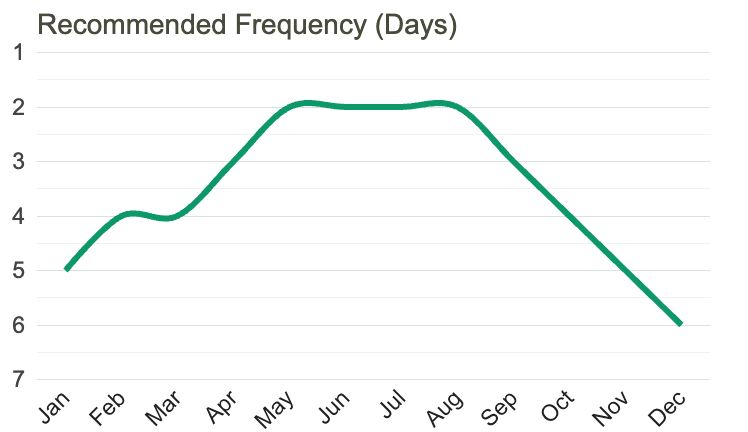
To water this plant, it is important to first check the soil moisture level by inserting a finger about an inch into the soil. If the soil feels dry, it is time to water the plant. When watering, it is best to use room temperature water and avoid getting water on the leaves or stem of the plant as it can cause damage. Water the plant slowly and deeply, allowing the water to soak into the soil and reach the roots. It is important not to overwater as this can lead to root rot. It is best to water the plant regularly, but allow the soil to dry out slightly between waterings. Adjust watering frequency based on the environment and weather conditions.
To fertilize the Echinocystis Lobata plant, use a balanced, water-soluble, all-purpose fertilizer with equal amounts of nitrogen, phosphorus, and potassium. Apply the fertilizer once a month during the growing season, diluting it to half strength. Water the plant thoroughly before and after fertilization to avoid burning the roots. Avoid fertilizing during the dormant season or when the plant is stressed, as it may cause more harm than good.
The ideal soil for this particular plant would be a well-draining soil that is rich in organic matter. It should have a soil pH that ranges between 5.0-6.5. The soil should be able to hold moisture but also allow for good drainage to prevent waterlogging. To enhance the nutrition content of the soil, you can incorporate compost or well-aged manure. Additionally, you can add in perlite or sand to improve the soil’s water-holding capacity. It’s important to note that this plant prefers a moderately fertile soil and may not thrive in excessively nutrient-rich environments. It’s also important to ensure that the soil is free from any potential contaminants or pollutants that may negatively impact the plant’s growth.
Echinocystis lobata can be propagated through seed or vegetative propagation. To propagate through seed, collect mature seeds from the plant in the fall. These seeds can be soaked overnight in water before planting.
For vegetative propagation, cuttings can be taken from the plant during its active growth period. Cuttings should be taken from healthy, young stems and should be at least 4-6 inches long. Remove any leaves from the bottom of the cutting and dip it in rooting hormone. Plant the cutting in soil and keep it moist until roots form.
Another method of vegetative propagation is through layering. To do this, select a healthy, low-hanging stem and bend it downwards towards the soil. Make a small cut in the stem just before where it touches the soil. Cover the cut area with soil and keep it moist. After a few weeks, roots should develop and the new plant can be separated from the original plant.








