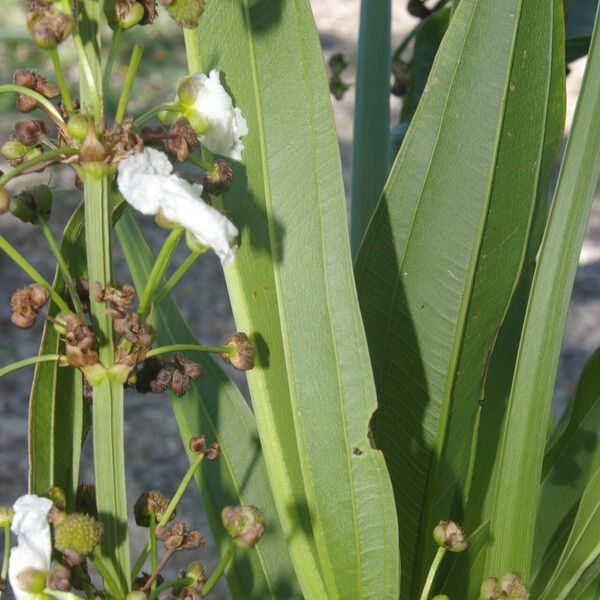
Plant Overview
Often called the "Grand Amazon Sword," this stately aquatic giant is the undisputed king of freshwater aquascapes. Originating from the river basins of Central and South America, it is prized for its ability to create a lush, underwater jungle vibe with very little effort. In the wild, it is a master of adaptation, seamlessly transitioning between living completely submerged or standing tall above the water line during the dry season.
🔍 How to Identify
- 🌿 Lance-Shaped Leaves: The leaves are long, vibrant green, and shaped like a traditional sword blade, tapering to a point at the tip.
- 🌀 Rosette Growth: All leaves radiate from a central crown at the base of the plant, forming a dense, bushy explosion of greenery.
- 🧵 Prominent Veining: If you look closely, you’ll see several strong, parallel veins running the length of each leaf, giving them a structural, pleated look.
🏡 In Your Garden
- 🧪 Substrate Power: Unlike plants that take food from the water, this species is a "heavy root feeder." It develops a massive, complex root system and prefers a deep substrate rich in iron to keep its leaves from turning yellow.
- ✂️ Strategic Pruning: Because it grows so large, it can easily shade out smaller plants. To manage its size, always prune the oldest, outermost leaves at the base rather than cutting the tips, which can cause the leaf to rot.
⚠️ Safety & Toxicity
- ✅ Safe Status: This plant is considered non-toxic to humans, cats, and dogs.
- 🐟 Aquatic Roommates: While safe, it is a favorite snack for herbivorous fish like Goldfish or large snails. If your fish are "interior decorators," they may nibble the tender new growth into a lace-like pattern.
✨ Fun Fact
In the wild, Echinodorus paniculatus is a "polymorphic" species. This means its leaves actually change shape depending on whether they are underwater or in the air; submerged leaves are thin and flexible, while emersed leaves become thick, leathery, and heart-shaped to survive the sun!

Detailed Care Instructions








