Plant Overview
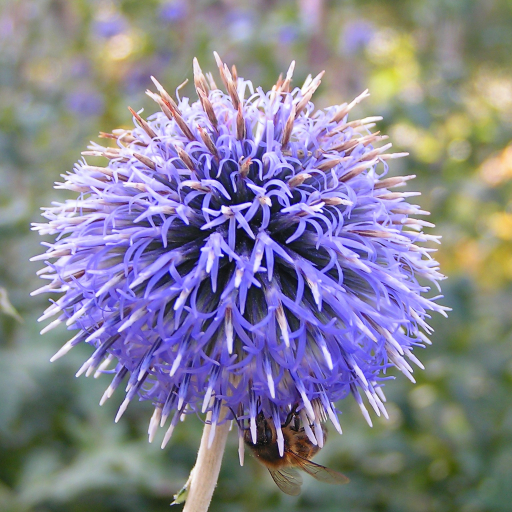
Commonly known as the Blue Globe Thistle, this architectural beauty looks like something straight out of a science fiction novel. Hailing from the rugged landscapes of the Banat region in Southeastern Europe, its metallic-blue spheres stand tall on silvery stems, providing a striking contrast to softer garden blooms. It is a favorite among minimalist designers and those looking to add a touch of "otherworldly" charm to their landscape.
🔍 How to Identify
- 🔵 The Globes: Perfectly spherical flower heads composed of hundreds of tiny, star-shaped steel-blue florets that bloom from the top down.
- 🌿 The Foliage: Deeply lobed, thistle-like leaves that are dark green on top but feature a distinctive, woolly silver-white underside.
- 📏 The Stature: Strong, rigid stems that can reach up to 4 feet in height, often appearing "frosted" due to a fine coating of white hairs.
🏡 In Your Garden
- 🌵 Drought Defying: Thanks to a long, sturdy taproot, the Blue Globe Thistle is a champion of the "low-water" garden. Once established, it can survive harsh summers and poor, rocky soil where other plants might wither.
- 🐝 Pollinator Party: This plant is one of the best ways to support local biodiversity. It is a high-ranking nectar producer, often covered in bumblebees, honeybees, and butterflies from mid to late summer.
- ✂️ Low Maintenance: Because of that deep taproot, it hates being moved once planted. Pick a permanent spot with plenty of sun, and it will reward you with years of blooms with very little "deadheading" required.
⚠️ Safety & Toxicity
- 🌵 Mechanical Irritant: While Echinops bannaticus is generally considered non-toxic to humans and pets, it is physically aggressive. The leaves have sharp spines that can easily puncture skin or cause irritation.
- 🧤 Handling: Always wear thick gardening gloves when pruning or dividing this plant to avoid "thistle-prick" rashes or minor scratches.
✨ Fun Fact
The flower heads are "everlasting." Even after the vibrant blue color fades in the autumn, the globes retain their perfect circular shape and structural integrity, making them a favorite for dried floral arrangements and providing architectural interest in a snowy winter garden.

Detailed Care Instructions
| Humidity | Dry |
| Lighting | Full Sun |
| Difficulty | Easy |
| Hibernation | Cold Period |
| Hardiness Zones | 3 - 9 |
To grow Echinops bannaticus, also known as Globe Thistle, you can follow these steps:
- Climate and soil: Echinops bannaticus prefers full sun to partial shade and sandy, well-draining soil. Ensure the soil pH is neutral to slightly alkaline (pH 7-8).
- Planting: Start by either sowing seeds indoors or planting nursery-bought seedlings outdoors. If starting from seeds, begin the process indoors during early spring. Sow the seeds in pots or trays filled with seed-starting mix, lightly press them into the soil, and cover with a thin layer of soil. Keep the soil moist and place the pots in a warm area to aid germination. Once the seedlings have developed a few true leaves, transplant them into individual pots and continue growing them indoors until the danger of frost has passed. Alternatively, you can directly sow the seeds outdoors once the soil has warmed up.
- Transplanting: Choose a location in your garden that receives plenty of sunlight. Dig a hole slightly larger than the size of the root ball of the seedling or plant. Place the seedling or plant into the hole and backfill it with soil, gently firming it around the base. Ensure the plant is at the same depth as it was in its previous container.
- Watering: Initially, water the plant thoroughly after planting. Echinops bannaticus prefers moderate moisture, so water it deeply when the soil becomes dry, especially during hot summer months. Avoid overwatering, as it can lead to root rot.
- Mulching and weed control: Apply a layer of mulch around the plant to help conserve moisture, suppress weeds, and regulate soil temperature. Keep the area around the plant weed-free to prevent competition for nutrients.
- Pruning and deadheading: Once the flowers have faded, deadhead them to promote further blooming and prevent self-seeding. In late winter or early spring, cut back the spent flower stems to encourage new growth.
- Fertilizing: Echinops bannaticus generally does not require heavy fertilization. However, you can apply a balanced, slow-release fertilizer during early spring to promote healthy growth.
- Disease and pest control: Echinops bannaticus is generally resistant to diseases and pests. However, keep an eye out for aphids or powdery mildew. Treat any infestations with appropriate organic pesticides or treatments, if necessary.
By following these steps, you should be able to successfully grow Echinops bannaticus in your garden.

Place in a window with dappled sun or a spot in the middle of a room. Or directly in a window facing west or east.

To water this plant, you should first examine the moisture level of the soil. Stick your finger about an inch or two deep into the soil and see if it feels dry. If it does, then it's time to water. When watering, make sure to provide enough water so that the soil is moist, but not soaking wet. It's important to not let the plant sit in standing water, as this can lead to root rot. Watering once a week should be sufficient, but you may need to adjust based on your climate and how quickly the soil dries out. It's also important to avoid getting water on the leaves, as this can lead to fungal issues.
To fertilize this plant, use a slow-release fertilizer in the spring. Apply the fertilizer around the base of the plant, taking care not to sprinkle it directly on the foliage or flowers. Water the plant well after fertilizing to ensure the nutrients reach the roots. Avoid over-fertilizing, as this can burn the roots and cause damage to the plant.
The Echinops Bannaticus plant prefers well-draining soil with moderate moisture retention. It grows best in soil that is rich in organic matter and has a slightly acidic to neutral pH level. The soil should be deep enough to allow for good root growth and have good aeration to prevent waterlogging. It is recommended to use a mix of loam, sand, and peat moss, and to avoid using heavy clay soils or soils with high levels of lime. A slow-release fertilizer may also be added to the soil to provide extra nutrients for the plant.
To propagate this plant, you will need to start by obtaining fresh seeds from a mature plant. Once you have the seeds, you can prepare a seedling tray or individual pots with a well-draining soil mix.
Sow the seeds sparingly on the surface of the soil mixture, then cover them with a thin layer of soil to keep them moist and protected. You can mist the soil gently with water to keep it moist but not waterlogged.
Next, place the tray in a warm, brightly lit area but out of direct sun. Keep the soil mix consistently moist and watch for germination, which usually occurs within 2-3 weeks.
Once the seedlings have grown several leaves, you can transplant them to larger pots or into your garden bed. Harden them off first by gradually exposing them to outdoor conditions over a period of several days.
To propagate the plant by division, wait until the plant is mature and has produced several lateral shoots. Carefully remove the plant from the soil and separate the lateral shoots from the parent plant, making sure to keep a good portion of root attached to each shoot.
Plant the lateral shoots in individual pots or directly in your garden bed in the same soil type as the parent plant. Water regularly until the plants are well established and continue to care for them as you would any other Echinops Bannaticus plant.








