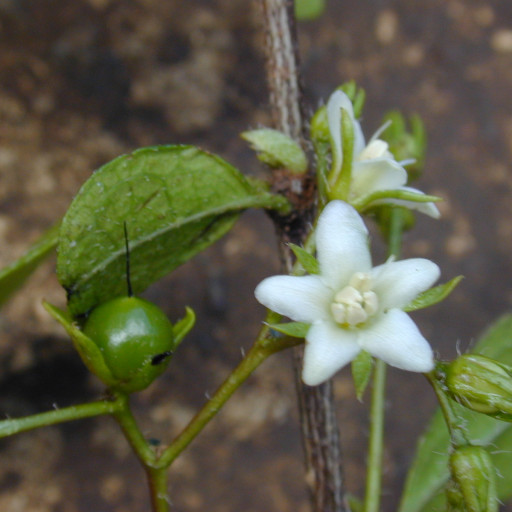
Plant Overview
The Fukien Tea Tree, known scientifically as Ehretia microphylla (or Carmona retusa), is the undisputed darling of the bonsai world. Originating from the Fujian province in China, this evergreen shrub is beloved for its tiny, waxy leaves and "miniature tree" aesthetic even when young. In some cultures, it is nicknamed the "Scorpionbush" or "Forest Tea," historically used in traditional herbal teas in the Philippines.
🔍 How to Identify
- 🍃 The Leaves: Small, dark green, and oval-shaped with a distinct shiny finish. If you look closely, the upper surface is covered in tiny white bristles that feel slightly rough to the touch.
- 🌸 The Flowers: It produces delicate, five-petaled white flowers that appear sporadically throughout the year, especially during the warmer months.
- 🍒 The Fruit: Following the flowers, small green berries emerge, eventually ripening into a bright, decorative red or orange. These berries are a favorite for local birds but are not for human snacking.
🏡 In Your Garden
- 💧 Consistency is Key: This plant is famous for being a "drama queen" if its soil dries out completely. Because it lacks a large water-storage system, it prefers consistently moist (but not soggy) soil. If it gets too thirsty, it will drop its leaves in a heartbeat to protect itself.
- ☀️ Light and Warmth: Being a tropical native, it craves high humidity and bright, indirect light. It makes a perfect indoor companion near a sunny window, but keep it away from cold drafts or air conditioning vents, which can sap the moisture from its tiny leaves.
- ✂️ Pruning Potential: Because it grows relatively slowly and has naturally small foliage, it is one of the best species for "clip and grow" styling. It handles frequent trimming well, which encourages the dense, bushy look gardeners love.
⚠️ Safety & Toxicity
- 🟢 General Status: The Fukien Tea is generally considered non-toxic to cats and dogs, making it a "pet-safe" choice for indoor greenery.
- 🚫 Human Precaution: While the leaves were historically used for medicinal teas in specific cultural contexts, the raw berries can cause mild stomach upset if ingested by curious children. It is best treated as an ornamental plant rather than a food source.
✨ Fun Fact
In the Philippines, this plant is known as "Tsaang Gubat" and is officially recognized by the Department of Health as a medicinal plant used to treat stomach pains and coughs! While we don't recommend brewing your bonsai, it’s a testament to the plant's deep historical roots.

Detailed Care Instructions
| Difficulty | Medium |
To grow Ehretia microphylla, also known as miniature Ehretia or Fukien tea, you can follow these steps:
- Propagation: Start by obtaining a healthy cutting or a young nursery plant for propagation.
- Container: Choose a small to medium-sized container with drainage holes.
- Soil: Use a well-draining, slightly acidic soil mix. A mix of bonsai soil, perlite, and peat moss can work well.
- Planting: Plant the cutting or young plant in the container, ensuring that the soil covers the root ball and gently press it down.
- Light: Place the container in a location that receives bright, indirect sunlight. It can also tolerate partial shade.
- Watering: The soil should be kept consistently moist but not waterlogged. Water the plant when the top inch of soil feels dry. Avoid overwatering or allowing the plant to sit in standing water.
- Humidity: Ehretia microphylla prefers high humidity levels. You can increase humidity by misting the leaves daily or placing a tray of water near the plant.
- Fertilizer: Use a balanced, water-soluble fertilizer and follow the recommended dosage. Fertilize the plant every two weeks during the growing season (spring and summer) and reduce it to once a month in fall and winter.
- Pruning: Regular pruning is necessary to shape and maintain the plant's miniature tree shape. Pinch off new growth regularly to encourage branching and shape the plant as desired.
- Pests and disease: Monitor the plant for common houseplant pests like aphids, mealybugs, or scale insects. If you spot any pests, treat them with an appropriate insecticide or by wiping the leaves with a damp cloth.
- Winter care: Ehretia microphylla prefers temperatures above 15°C (59°F). Therefore, protect it from cold drafts and frost during winter months. Keep the plant indoors or in a greenhouse if necessary.
By providing proper care and attention, your Ehretia microphylla plant should grow and thrive into a beautiful miniature tree.

Place in a window with dappled sun or a spot in the middle of a room. Or directly in a window facing west or east.

To water this plant, first, you should check the soil regularly to see if it's dry. If the top inch of soil is dry, then it's time to water the plant. When watering, pour water slowly onto the soil until the water starts to come out of the drainage holes at the bottom of the pot. Make sure to water thoroughly but not overwater as it can lead to root rot. The amount of water needed may vary depending on the environment and weather conditions. In addition, avoid getting water on the leaves or foliage as it can lead to fungal diseases. It's recommended to water in the morning or early evening to avoid evaporation due to high temperatures during the day.
To fertilize the Ehretia microphylla plant, you can follow these instructions:
- Choose a balanced, water-soluble fertilizer with an N-P-K ratio of around 10-10-10. This ratio indicates the percentage of nitrogen (N), phosphorus (P), and potassium (K) present in the fertilizer.
- Dilute the fertilizer with water according to the instructions on the label. Usually, a concentration of 1 teaspoon per gallon of water is recommended, but make sure to follow the specific instructions given for your fertilizer brand.
- Water the plant thoroughly before applying the fertilizer. This will help prevent root burn and ensure the nutrients are effectively absorbed.
- Apply the diluted fertilizer to the plant's root zone. This can be done by gently pouring the mixture onto the soil around the base of the plant. Avoid getting the fertilizer on the leaves or stems, as it may cause damage.
- After application, water the plant again to help the nutrients reach the roots. This will also prevent any potential fertilizer build-up on the soil surface.
- Fertilize the Ehretia microphylla plant every 4-6 weeks during the growing season, which is typically spring and summer. Adjust the frequency and dosage according to the specific fertilizer brand and the plant's response.
Remember to always read the specific instructions provided with your chosen fertilizer brand, as recommendations may vary. Additionally, keep an eye on the plant's overall health and adjust the fertilization routine as needed.
The ideal soil for Ehretia Microphylla should be well-draining, slightly acidic in nature, and rich in organic matter. It should have a pH level ranging from 6 to 6.5. The soil should be moist but not waterlogged, as the plant is susceptible to root rot in overly wet conditions. A mixture of peat moss, perlite, and sand can be used to provide the desired soil texture and drainage. To ensure that the plant is getting the required nutrients, a slow-release fertilizer can be added to the soil or foliar sprayed once every few weeks during the growing season. It is also recommended to mulch around the plant to conserve moisture and prevent weed growth.
There are several methods for propagating this plant. One way is to take stem cuttings from the parent plant. Select a healthy stem that is about 4-6 inches long with several leaves and no signs of disease or damage. Using a sharp, clean knife or pruners, cut the stem at a 45-degree angle just below a node. Remove the leaves from the lower two-thirds of the stem. Dip the cut end of the stem in rooting hormone powder and then plant it in a pot filled with moist potting mix. Keep the soil moist and place the pot in a warm, bright location, but out of direct sunlight. Within a few weeks, new roots should begin to form and new growth will appear.
Another method is to propagate from seeds. Collect ripe seeds from the parent plant and sow them in a pot filled with moist potting mix. Cover the seeds lightly with soil and keep the soil moist. Place the pot in a bright location that is out of direct sunlight. In a few weeks, the seeds should germinate and new growth will appear. Allow the seedlings to grow and develop before transplanting them into their permanent location.
Division is another method to propagate this plant. Dig up the parent plant and gently separate the root ball into several smaller sections, each with its own set of roots and a few stems. Replant each section in a pot or directly in the ground in a location that has suitable growing conditions for this plant. Keep the soil moist and provide adequate light and nutrients for the young plants to grow and thrive.
Common pests of the fukien-tea include Scale insect, mealybugs, spider mites, whiteflies. Make a habit of checking your fukien-tea frequently for pests so that any infestations can be caught and managed early.








