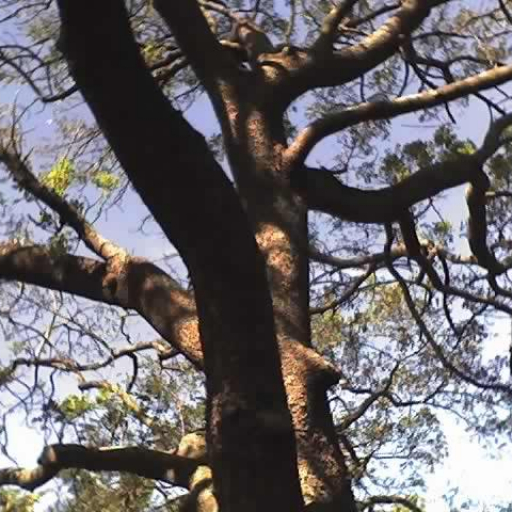
Plant Overview
Known affectionately as the Cape Ash or Dogplum, Ekebergia capensis is a cornerstone of African landscapes, stretching from the Cape to Ethiopia. This stately, large-canopied tree is a favorite for those wanting a fast-growing shade provider that doubles as a miniature wildlife sanctuary. In many African cultures, it is regarded as a protective tree, often planted near homesteads to bring good luck and provide traditional medicine.
🔍 How to Identify
- 🍃 Compound Foliage: Look for large, glossy green leaves arranged in pairs with a single leaflet at the tip, creating a lush, "feathered" appearance that provides deep, cool shade.
- 🪵 Smooth Bark: The trunk is typically a clean, silver-grey color that remains relatively smooth, though it can become slightly flaky and textured as the tree reaches a grand old age.
- 🍒 Fleshy Fruit: In late summer, the tree produces small, round, bright red to dark purple berries that resemble tiny plums, which is where its "Dogplum" nickname originates.
🏡 In Your Garden
- 🌳 Rapid Growth: This is a "fast-track" tree. It grows surprisingly quickly, making it ideal for new gardens that need a mature look fast. However, its root system is robust and thirsty, so avoid planting it too close to swimming pools, walls, or underground pipes.
- 🐦 Wildlife Magnet: If you love birdwatching, this tree is a must-have. The berries are an irresistible high-energy snack for bulbuls, barbets, and louries, turning your backyard into a bustling bird hub during fruiting season.
⚠️ Safety & Toxicity
- 🐾 Pet Safety: While the fruit is a feast for birds, the seeds and bark contain chemical compounds used in traditional medicine. If ingested in significant quantities by dogs or cats, it may cause digestive distress.
- 👶 Human Caution: The berries are not considered edible for humans. They aren't "deadly," but they can cause nausea and stomach upsets, especially in small children who might be tempted by the bright red color.
✨ Fun Fact
The genus name Ekebergia was created by the famous botanist Carl Linnaeus to honor Captain Carl Gustaf Ekeberg. Ekeberg was an 18th-century explorer who helped sponsor Linnaeus’s research trips, effectively "shipping" the wonders of the African forest back to the scientific world!

Detailed Care Instructions
| Humidity | Normal |
| Lighting | Full Sun |
| Difficulty | Medium |
| Temperature | 18°C - 38°C |
To grow Ekebergia Capensis plant, also known as Cape ash, you need to follow certain steps:
- Choose a suitable location: Ekebergia Capensis prefers a sunny spot with well-draining soil.
- Obtain seeds or a sapling: You can either collect seeds from mature fruit or purchase a sapling from a nursery.
- Germination: If you have seeds, plant them in seed trays or pots filled with seedling mix. Press them gently into the soil and cover lightly with more mix. Keep the soil consistently moist and place the tray or pot in a warm area. Germination usually takes around 2-4 weeks. If you have a sapling, skip this step.
- Transplanting: Once the seedlings have developed a few sets of true leaves or if you have a sapling, it is time to transplant them into larger pots or directly into the ground. Choose a pot or dig a hole that is twice the size of the root ball.
- Soil amendment: Add compost or well-rotted manure to the planting hole or potting mix to improve soil fertility and drainage.
- Watering: Water your plant regularly, especially during dry spells, to keep the soil consistently moist but not waterlogged. Water deeply and allow the topsoil to dry slightly between waterings.
- Mulching: Apply a layer of organic mulch, such as wood chips or straw, around the base of the plant. This will help retain moisture, suppress weeds, and regulate soil temperature.
- Pruning: You can prune your Ekebergia Capensis plant to maintain its shape or remove any dead, damaged, or crossing branches. Prune during late winter or early spring before new growth starts.
- Fertilization: Apply a slow-release fertilizer during the growing season to provide nutrients to the plant. Follow the instructions on the fertilizer packaging for appropriate dosage.
- Protect from pests and diseases: Monitor your plant regularly for any signs of pests or diseases. Treat them promptly with organic or chemical treatments, if necessary.
Remember that Ekebergia Capensis is a slow-growing tree, so be patient with its growth. Provide it with proper care, and it will thrive in your garden.

Place in a bright room that is sun drenched almost all day. Or directly in a south-facing window.

To water this plant, you must ensure that you do not overwater it. It is essential to water it consistently to keep the soil moist, but you should not let water pool in the soil or let the soil dry out completely. You should water it every one to two weeks, depending on how dry the soil is. It is best to water it in the morning or evening, avoiding the hotter parts of the day. You can use a watering can or hose to water it, gently pouring water around the base of the plant. Avoid getting water on the leaves or flowers as it can lead to disease or damage. It would be best if you monitored the soil's moisture levels regularly to determine when it needs watering.
To fertilize this plant, use a balanced fertilizer with equal amounts of nitrogen, phosphorus, and potassium. Apply the fertilizer every four to six weeks during the growing season, which is typically in spring and summer. Avoid over-fertilizing, which can lead to burnt roots and damage the plant. Always water the plant before and after fertilizing to prevent root damage and ensure the nutrients are properly absorbed.
Ekebergia Capensis requires well-draining soil that is rich in nutrients and organic matter. The soil should have a pH level of 6.0 to 7.5, which is slightly acidic to neutral. It is best to use a loamy soil mix, which is a combination of sand, silt, and clay. The sand helps with drainage, while the silt and clay provide nutrients and retain moisture. A mixture of peat moss, compost, and perlite can also be added to improve soil quality, moisture retention, and aeration. The plant requires regular watering but should be allowed to dry out slightly between watering intervals to prevent root rot.
To propagate this plant, take stem cuttings about 4-6 inches long from a healthy and mature plant. Remove any leaves from the bottom half of the cutting and dip the cut end in rooting hormone. Plant the cutting in a well-draining potting mix and keep it moist and in a warm, bright location. Keep the soil moist but not waterlogged and mist the cutting regularly. After a few weeks, roots should begin to form and new growth will appear above the soil. Once the cutting has established a strong root system, it can be transplanted into a larger pot or into the ground.








