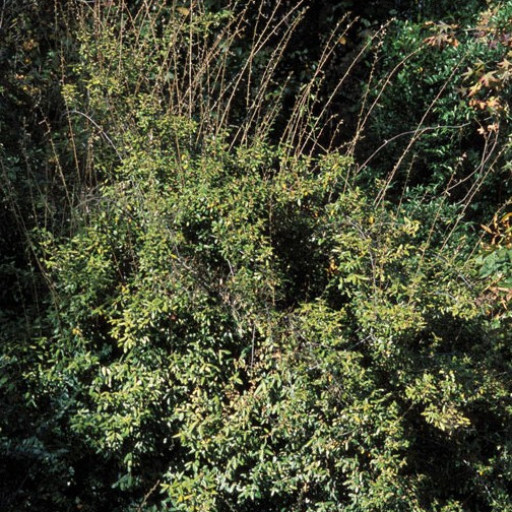
Plant Overview
Known as the "Silverthorn" or "Thorny Olive," this powerhouse shrub is the ultimate survivor of the gardening world. Native to East Asia, it has earned a reputation as an impenetrable privacy screen that laughs in the face of salt spray, drought, and poor soil. It is the "Swiss Army Knife" of hedges—functional, rugged, and unexpectedly fragrant during the cooling days of autumn.
🔍 How to Identify
- 🍃 Silvered Foliage: The upper surface of the leaf is a waxy olive green, but the underside is coated in shimmering, tiny silver scales that catch the light when the wind blows.
- 🟤 Rusty Speckles: Look closely at the stems and leaf undersides; they are often dotted with copper or "rusty" brown scales, giving the plant a distinct metallic appearance.
- 🌸 Bell-Shaped Blooms: In late fall, it produces tiny, cream-colored flowers. While they are tucked away and hard to see, their heavy, sweet scent (reminiscent of gardenias) can perfume an entire yard.
🏡 In Your Garden
- 🛡️ Security & Privacy: Because it grows rapidly and features sharp, woody spurs (thorns), it creates a natural barbed-wire fence. It is the go-to choice for homeowners looking to block noise or deter unwanted visitors (including deer).
- ✂️ The Scrambling Habit: This plant is a "scrambler" by nature. If left unpruned, it will send out long, whip-like branches that can climb 20 feet into nearby trees. Regular shearing is necessary to keep it in a tidy shrub shape.
- 🌊 Coastal Hero: It is exceptionally salt-tolerant and wind-resistant, making it one of the few evergreen shrubs that can thrive directly on a beachfront or in high-pollution urban areas.
⚠️ Safety & Toxicity
- 🌵 Physical Warning: While not chemically toxic, the "Silverthorn" lives up to its name. The sharp, stiff thorns can easily puncture skin or gardening gloves. Always wear heavy-duty protection when maintenance is required.
- 🐾 Non-Toxic Status: It is generally considered non-toxic to cats, dogs, and horses. While the red berries produced in spring are technically edible for humans when fully ripe, they are quite astringent and best left for the birds.
✨ Fun Fact
Silverthorn is a "Nitrogen Fixer." Through a symbiotic relationship with soil bacteria, it can pull nitrogen from the air and turn it into food. This allows it to thrive in "dead" soil where other plants would starve, effectively fertilizing the ground around it as its leaves drop.

Detailed Care Instructions
| Humidity | Dry |
| Lighting | Part Sun |
| Difficulty | Easy |
| Hibernation | Cold Period |
| Hardiness Zones | 6 - 10 |
To grow Elaeagnus pungens, also known as thorny or silverberry, follow these steps:
- Choose a suitable location: Elaeagnus pungens prefers full sun to partial shade and well-drained soil. It can tolerate a wide range of soil types, including sandy or clay soils.
- Prepare the soil: Before planting, loosen the soil and remove any weeds or grass from the planting area. You can also mix in organic matter like compost to improve the soil's fertility and drainage.
- Planting: Dig a hole that is slightly larger and deeper than the root ball of the plant. Place the plant in the hole, making sure the top of the root ball is level with the soil surface. Backfill the hole with soil, gently firming it around the roots. Water thoroughly after planting.
- Watering: While establishing, water the plant regularly to keep the soil slightly moist. Once established, it is quite drought-tolerant but still benefits from occasional deep watering during prolonged dry spells.
- Mulching: Apply a layer of organic mulch around the base of the plant to help conserve soil moisture, suppress weed growth, and provide some insulation during extreme temperatures. Keep the mulch a few inches away from the plant's stem to prevent rotting.
- Pruning: Elaeagnus pungens does not require regular pruning but can tolerate heavy pruning if necessary. Prune to remove dead, damaged, or diseased branches. You can also shape the plant to maintain its desired size and form.
- Fertilization: Elaeagnus pungens generally doesn't require frequent fertilization, but you can apply a balanced, slow-release fertilizer in spring if desired.
- Pests and diseases: Elaeagnus pungens is generally resistant to pests and diseases. However, some aphids, scales, or spider mites can occasionally infest the plant. Regular inspection and appropriate treatments such as insecticidal soap or horticultural oil can help control these infestations if they occur.
By following these steps, you can successfully grow Elaeagnus pungens and enjoy its attractive foliage and fragrant flowers. Remember to monitor the plant's growth and provide care accordingly.

Place in a bright room that is sun drenched almost all day. Or directly in a south-facing window.

1. Observe the soil moisture level - Before watering, check the soil moisture level by sticking a finger into the top inch of soil. If it feels dry, it's time for watering.
2. Choose the right time of day - The best time to water Elaeagnus Pungens plant is in the early morning or evening when the temperatures are cooler. Avoid watering during the heat of the day, as it can lead to evaporation and waste water.
3. Water deeply - When watering, make sure to apply water deeply, meaning you should saturate the entire root ball. This will encourage deep root growth and increase the plant's drought tolerance.
4. Avoid waterlogging - Elaeagnus Pungens plant does not like waterlogged soil, so it's important to ensure good drainage. Don't allow water to collect around the base of the plant, and make sure the soil is well-draining.
5. Mulch the soil - Apply a layer of organic mulch around the base of the plant to help retain moisture and regulate soil temperature. This can also prevent weeds from growing and competing for water.
6. Monitor for signs of overwatering or underwatering - Check the plant regularly for signs of overwatering or underwatering, such as yellowing leaves or wilting. Adjust your watering frequency as needed to ensure the plant stays healthy.
To fertilize this plant, you should use a balanced fertilizer with equal amounts of nitrogen, phosphorous, and potassium. Fertilize every two to three months from early spring through late summer, using a slow-release fertilizer. Sprinkle the fertilizer around the base of the plant and water in thoroughly. Avoid over-fertilizing, as this can cause damage to the plant.
The recommended soil type for Elaeagnus Pungens is a well-draining soil with a pH range of 5.5 to 7.5. The soil should be composed of a mixture of sandy and loamy soil, with good water retention capacity to help keep the plant hydrated. It is important to ensure that the soil is not waterlogged as this can lead to root rot and other plant diseases. Additionally, the soil should be supplemented with organic matter such as compost or aged manure to improve nutrient availability, soil structure, and moisture retention. When planting the Elaeagnus Pungens, it is recommended to add some sand or perlite to the soil to improve drainage and avoid waterlogging.
To propagate this particular plant, you will need to collect stem cuttings from the parent plant in the early spring. Choose stems that are healthy, vigorous, and have several nodes along their length. Cut the stem at a 45-degree angle using a clean, sharp knife or pair of pruning shears.
Next, remove the lower leaves from the stem, leaving only a few near the top. Dip the cut end of the stem into rooting hormone powder and shake off any excess. Plant the stem cutting into a pot filled with a well-draining soil mix, making sure to bury the bottom node at least 1-2 inches deep.
Water the newly planted cutting and place it in a warm, bright location that receives indirect sunlight. Provide occasional misting to keep the foliage hydrated, but avoid overwatering as this can cause rot. After a few weeks, you should see new growth emerging from the stem cutting, which indicates successful rooting.
Once the cutting has established roots and new growth, you can transplant it into a larger container or directly into the ground. Keep in mind that this plant prefers well-draining soil and full to partial sunlight. With proper care, your Elaeagnus Pungens plant should continue to thrive and produce attractive foliage for years to come.








