Plant Overview
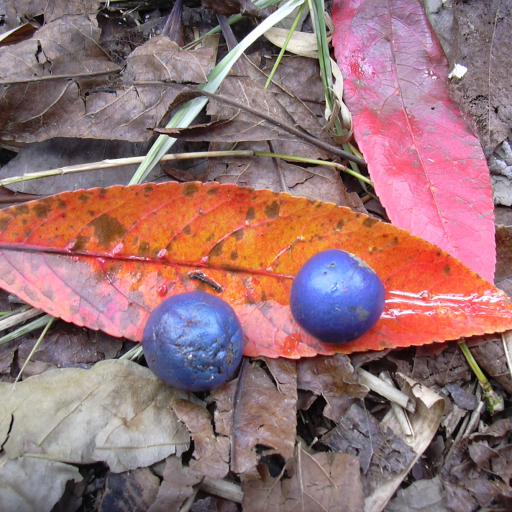
Commonly known as the Blue Marble Tree or the Rudraksha, this majestic evergreen is a spiritual icon wrapped in a botanical wonder. Originating from the rainforests of Southeast Asia and Australia, it is most famous for its "electric blue" fruits that look like shimmering jewels fallen from the canopy. In many cultures, its textured seeds are considered sacred, often strung into prayer beads to symbolize protection and meditation.
🔍 How to Identify
- 🪽 Fringed Flowers: The tree produces clusters of delicate, creamy-white flowers that look like tiny pieces of shredded lace or Victorian fringe.
- 🍃 Color-Changing Foliage: The long, serrated, lance-shaped leaves have a unique lifecycle; they turn a brilliant, fiery red just before they drop, creating a beautiful contrast against the green canopy.
- 💎 Metallic Blue Fruit: The most striking feature is the spherical fruit. Unlike most plants, its brilliant blue color isn't from pigment but from the microscopic structure of the skin reflecting light.
- 🪵 Pitted Seeds: Inside the blue fruit lies a hard, woody stone (the "endocarp") with deep grooves and pits, varying in the number of "faces" or segments it has.
🏡 In Your Garden
- 🌳 Space Requirements: While young plants are sold as novelties, remember this is a literal giant. In its natural habitat, it can reach massive heights and develops impressive buttress roots, so it needs plenty of room away from pipes or foundations.
- 💧 Thirsty Nature: Because it hails from the rainforest, it has zero tolerance for drought. It thrives in high humidity and rich, organic soil that mimics the forest floor.
- 🌞 Sun Seeker: It prefers a sunny spot to produce its best fruit and flower show, though it appreciates some protection from the harsh afternoon sun when it is still a sapling.
⚠️ Safety & Toxicity
- 🟢 Safe for Humans: The tree is generally considered non-toxic. While the thin layer of flesh on the fruit is technically edible, it is quite bitter and fibrous, so it is rarely consumed by people.
- 🐾 Pet Friendly: There are no known toxic effects for cats or dogs. However, the hard, pitted seeds could pose a choking hazard or cause intestinal blockage if swallowed by a curious pet.
- 🖐️ Skin Safety: The plant is safe to touch, and the seeds are widely used for jewelry and meditation beads worn against the skin.
✨ Fun Fact
The "Rudraksha" seeds are prized in Hindu tradition, where they are believed to be the tears of Lord Shiva. The most rare and expensive seeds are those with a specific number of "mukhi" (faces/clefts); a seed with 21 faces is considered an incredibly rare botanical treasure!

Detailed Care Instructions
Here are some steps you can follow to grow an Elaeocarpus Angustifolius plant:
- Choose a suitable location: Elaeocarpus Angustifolius requires a warm and humid climate. Select a spot that receives partial shade, as it prefers filtered sunlight rather than direct sunlight.
- Prepare the soil: The plant thrives in well-draining, loamy soil. Ensure that the soil is rich in organic matter and has good water retention capabilities. If the soil is heavy and clayey, amend it with compost or organic matter to improve its drainage.
- Propagation: Elaeocarpus Angustifolius can be propagated from seeds or through vegetative propagation. Seeds can take a long time to germinate, so be prepared for some patience. If you choose vegetative propagation, take semi-hardwood cuttings from a healthy plant during spring or early summer. Treat cuttings with a rooting hormone and plant them in a well-draining potting mix. Keep the soil moist and provide adequate light for rooting.
- Planting: If you have chosen to grow from seeds, sow them in small pots or seedling trays filled with a well-draining potting mix. Place the seeds slightly below the soil surface and water gently. Keep the soil consistently moist but not waterlogged. Once seedlings reach a sufficient size, transplant them into larger pots or directly into the ground.
- Watering: Elaeocarpus Angustifolius requires regular watering to keep the soil consistently moist. However, avoid overwatering, as it can lead to root rot. Check the soil moisture regularly and water whenever the top inch of soil feels dry.
- Fertilization: Feed the plant with a balanced, slow-release fertilizer during the growing season. Follow the manufacturer's instructions for dosage and frequency. Organic fertilizers, such as compost or well-rotted manure, can also be beneficial.
- Pruning: Prune the plant regularly to maintain a desired shape and remove any dead or damaged branches. Pruning is best done during late winter or early spring before new growth starts.
- Mulching and Protection: Apply a layer of organic mulch around the base of the plant to retain moisture, suppress weeds, and provide insulation. Protect young plants from frost and extreme weather conditions by covering them with frost cloth or moving them to a sheltered spot.
Remember to always research specific care requirements for Elaeocarpus Angustifolius, as local conditions and climate can vary.

Place in a bright room that is sun drenched almost all day. Or directly in a south-facing window.

To water this plant, make sure the soil is completely dry before watering. When you do water, give it a thorough soak, allowing the water to penetrate deep into the soil. To ensure proper drainage, make sure the pot or container has drainage holes and is placed in a saucer to catch any excess water. Avoid getting water on the leaves and foliage, as this can lead to disease and mold growth. Water the plant at the base, making sure the water reaches the root system. During the hot summer months, you may need to water the plant more frequently.
- Choose a balanced fertilizer with an N-P-K ratio of 6-6-6 or 7-7-7.
- Apply the fertilizer during the active growing season, typically spring and summer.
- Calculate the amount of fertilizer to apply based on the age of the plant, following recommended dosage guidelines on the fertilizer packaging.
- Scatter the fertilizer evenly around the base of the plant.
- Water the plant thoroughly after fertilizing to ensure the fertilizer is absorbed into the soil.
- Avoid over-fertilizing, which can result in excess growth and damage to the plant.
- Monitor the plant for signs of nutrient deficiencies or excesses and adjust fertilizing accordingly.
Elaeocarpus Angustifolius is a plant that requires well-draining soil to thrive. Its ideal soil composition includes a blend of organic matter such as peat moss, compost, and vermiculite mixed with a high-quality potting mix. The soil pH should range between 5.5 and 6.5, which is slightly acidic. It is recommended to avoid using heavy clay or sandy soils, as they do not hold enough moisture or allow for proper root growth. Additionally, it is essential to ensure adequate drainage by adding perlite or coarse sand to the soil mix. Adding a slow-release fertilizer to the soil can also aid in plant growth and development.
To propagate this plant, first take semi-hardwood cuttings from healthy and disease-free parent plants. Cuttings should be around 10-15cm in length and include at least four nodes. Remove the leaves from the lower half of the stem and dip the cut end in rooting hormone to stimulate root growth. Plant the cuttings in a well-draining potting mix and keep them moist and in a warm, bright location. After a few weeks, roots should begin to form. Once the roots have established, the young plants can be transplanted into larger pots or into the ground.








