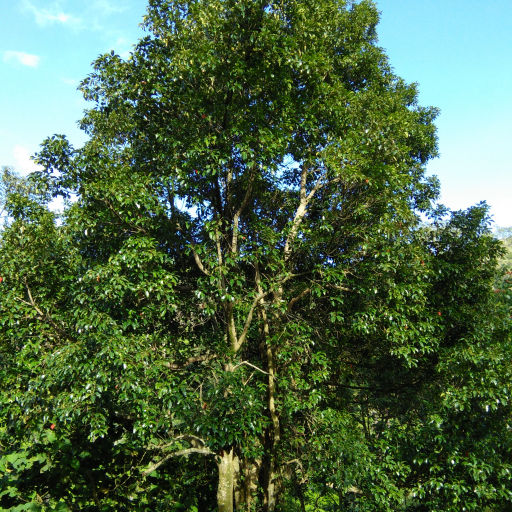
Plant Overview
Commonly known as the Ceylon Olive or Veralu, this tropical evergreen is a beloved treasure of South Asia. While it isn’t a "true" olive (like those from the Mediterranean), its smooth, oval fruits look so similar that the name stuck. In its native Sri Lanka and India, the tree is a cultural icon, often providing shade for temple courtyards and yielding fruits that are a staple of street-side snacks and traditional preserves.
🔍 How to Identify
- 🍃 Flaming Leaves: One of the easiest ways to spot this tree is its foliage; as the older leaves age, they turn a brilliant, fiery red before falling, creating a striking "flicker" of color against the deep green canopy.
- 🌸 Lacy Blossoms: The tree produces pendulous clusters of creamy-white flowers. If you look closely, the petals have delicate, fringed edges that look like tiny bits of torn lace or shredded umbrellas.
- 🟢 Smooth Fruit: The fruits are lime-green, smooth-skinned, and shaped like large grapes. Inside, you’ll find a single, hard, woody seed surrounded by a tart, pale green pulp.
🏡 In Your Garden
- 🌳 Space to Spread: The Ceylon Olive is a medium-to-large tree that enjoys its personal space. It develops a thick, spreading crown, making it an excellent choice for a natural shade provider in larger tropical or subtropical gardens.
- 💧 Moisture Balance: While it is surprisingly resilient, it thrives in humidity. It prefers deep, well-draining soil and doesn't like to sit in stagnant water, which can lead to root issues.
- 🐝 Pollinator Hub: Because of its prolific and fragrant flowering seasons, it acts as a magnet for honeybees and butterflies, boosting the overall health of your garden's ecosystem.
⚠️ Safety & Toxicity
- ✅ Generally Safe: The fruit pulp is edible and highly nutritious, packed with Vitamin C and antioxidants. It is commonly used in pickles, chutneys, and traditional medicine.
- 🐾 Pet Caution: While the plant is not known to be toxic to dogs or cats, the hard, woody pits inside the fruit are a significant choking hazard and could cause intestinal blockages if swallowed.
- 🦷 Seed Warning: The inner stone is exceptionally hard; never attempt to bite through it, as it can easily crack a tooth!
✨ Fun Fact
In Sri Lanka, the "Veralu Achcharu" is a legendary street food. The olives are boiled until soft, slightly crushed to let the flavors in, and then tossed in a mixture of chili flakes, salt, and a dash of sugar—a perfect balance of sour, spicy, and sweet!

Detailed Care Instructions
To grow Elaeocarpus Serratus plant, also known as the Ceylon olive or Indian olive, you can follow these steps:
- Climate and Soil: Elaeocarpus Serratus thrives in tropical and subtropical regions. It prefers well-draining soil with a pH range of 5.5 to 6.5. The plant can tolerate a variety of soil types, including sandy and loamy soils.
- Propagation: The plant can be propagated through seeds or by taking stem cuttings. If using seeds, soak them in warm water for 24 hours before planting to enhance germination. Sow the seeds in a pot or directly in the ground at a depth of ¼ inch (0.6 cm). Keep the soil moderately moist until germination occurs, which may take several weeks. For stem cuttings, take healthy, 6-8 inch (15-20 cm) long cuttings and plant them in well-draining potting soil. Keep the soil moist until roots develop.
- Planting: Select a suitable location with partial shade to full sun exposure. Dig a hole in the soil that is large enough to accommodate the root system of the plant. Place the plant in the hole, ensuring that the top of the root ball is level with or slightly above the ground. Fill the hole with soil, firming it gently around the plant. Water the plant thoroughly after planting.
- Watering and Care: Elaeocarpus Serratus requires regular watering, especially during dry spells, to keep the soil moist but not waterlogged. Water deeply at the base of the plant, avoiding overhead irrigation. Provide a layer of mulch around the plant to retain moisture and suppress weed growth.
- Pruning: Prune the plant in early spring to maintain its shape and remove any dead or diseased branches. This will encourage healthy growth and improve the plant's appearance.
- Fertilization: Feed the plant with a balanced, slow-release fertilizer in spring and summer to promote healthy growth. Follow the product instructions for application rates.
- Pest and Disease Control: Elaeocarpus Serratus is generally resistant to pests and diseases. However, occasional issues with aphids or caterpillars may arise. Monitor the plant regularly and use appropriate insecticides if necessary.
- Harvesting: The Ceylon olive produces small, green fruit that turns purplish-black when ripe. Harvest the fruit when fully mature. The fruit is edible and can be used in cooking, but it has a tart flavor and is usually preserved or pickled.

Place in a bright room that is sun drenched almost all day. Or directly in a south-facing window.

To water this plant, one should start by assessing the soil moisture level. If the soil feels dry to the touch, it is time to water. Use a watering can or hose to apply water directly to the soil around the base of the plant. Avoid getting water on the foliage or flowers, as this may cause damage. Water until the soil is thoroughly moist, but not saturated, as excess water can cause root rot. It is recommended to water this plant deeply and less frequently, rather than giving it frequent shallow waterings. During hot and dry weather, it may need more frequent watering. It is important to provide this plant with well-draining soil and proper irrigation to protect it from root rot and fungal diseases.
To fertilize this plant, use a balanced fertilizer with equal amounts of nitrogen, phosphorus, and potassium. Apply the fertilizer in the early spring and again in mid-summer. Use about one pound of fertilizer per 100 square feet of planting area. Apply the fertilizer evenly over the soil, avoiding contact with the plant's leaves or stems. Water the plant thoroughly after fertilizing to help the nutrients penetrate the soil and reach the roots. Avoid over-fertilizing, as this can damage the plant's roots and foliage.
The soil that is suitable for the Elaeocarpus Serratus plant is a mix of well-draining soil that is rich in nutrients and organic matter. The soil should have good water retention qualities and should not become waterlogged or excessively dry. It is important to ensure that the soil is slightly acidic with a pH level between 5.5 and 6.5. Adding compost or well-rotted manure can help improve the soil's fertility and drainage. The Elaeocarpus Serratus plant prefers a slightly damp environment with moderate sunlight, so the soil should be kept moist but not soggy. Good drainage is essential as root rot can be problematic for this species. The ideal soil for Elaeocarpus Serratus plant is a well-draining soil mix that is rich in organic matter and has good water retention properties.
To propagate this plant, you will need to take cuttings from a mature plant. Select a branch that is about 6 inches long and has a diameter of about ¼ inch. Make a clean cut with a sharp blade at a 45-degree angle, just below a node.
Remove any leaves from the lower half of the cutting, leaving only two to four leaves on the upper half. Dip the cut end of the cutting in rooting hormone powder and tap off any excess.
Fill a small pot with a well-draining potting mix, and create a hole in the center. Place the cutting in the hole and gently press the soil around it.
Water the cutting thoroughly, and cover the pot with a clear plastic bag to create a humid environment. Place the pot in a bright, but indirect, spot and keep the soil moist.
After a few weeks, gently tug on the cutting. If you feel resistance, roots have formed, and you can remove the bag. Continue to care for the plant as it grows, gradually introducing it to more direct sunlight and potting it up as necessary.








